Taihui Mountain
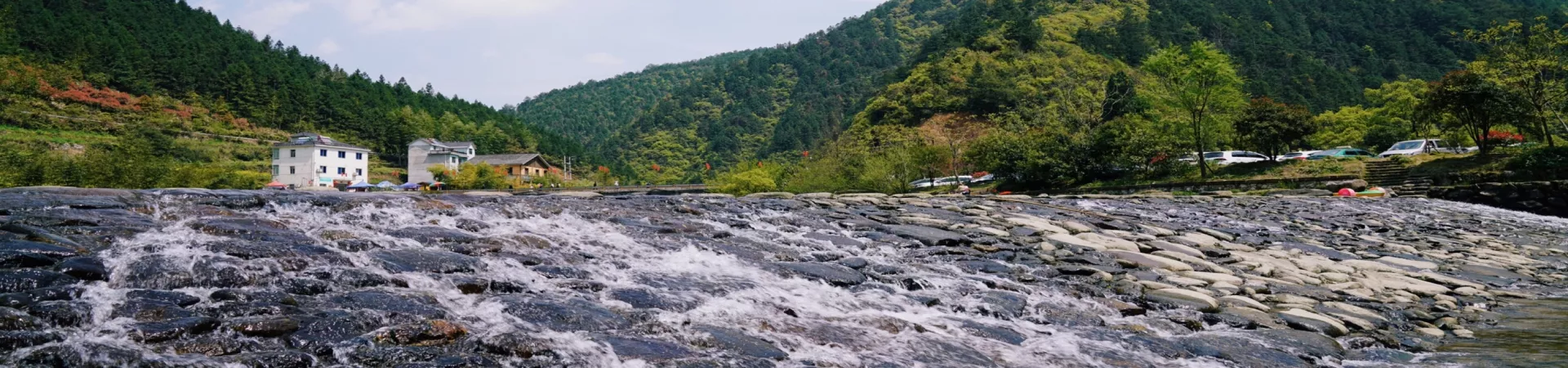
Subtitle: A Hidden Gem on the Border: The "Potala Palace of Jiangnan"
1. Introduction to Taihui Mountain Village
Nestled on the border between Quzhou, Zhejiang Province, and Jiangwan, Wuyuan County (often associated with Jiangxi Province), lies the small, breathtaking village of Taihui Mountain. This secluded settlement offers a travel experience far removed from bustling urban centers, presenting instead a profound sense of tranquility and a stunning visual dialogue between human habitation and dramatic natural terrain. The village is uniquely positioned on a steep mountainside, creating a cascading architectural effect where houses appear to stack upon one another. This layout, combined with the surrounding sea of meticulously cultivated terraced fields, crafts a landscape of extraordinary beauty and harmony. It is a place where the rhythms of agricultural life and the timeless beauty of the natural world converge, offering a poignant glimpse into a more traditional and serene way of living in rural China.
2. The Landscape and Seasonal Beauty
2.1. Architectural Harmony with Nature The most striking feature of Taihui Mountain is its symbiotic relationship with the environment. The village does not simply occupy the land; it emerges from it. Traditional Hui-style houses with white walls and dark grey tiles are built along the contours of the slope, following the natural lines of the mountain. This organic arrangement, when viewed from a distance, creates a layered, cascading silhouette against the green backdrop. The absence of sprawling, modern construction preserves an authentic and picturesque scene that seems suspended in time.
2.2. The Enveloping Terraced Fields Encircling the village are vast, sweeping layers of terraced fields. These are not merely agricultural plots but are works of art sculpted into the hills over generations. They change their palette with the seasons: vibrant emerald green with young rice shoots in spring and summer, transforming into a breathtaking mosaic of golden yellow at harvest time in autumn. In winter, they may wear a quiet blanket of frost or follow the soft, earthy tones of the fallow period. These terraces frame the village, emphasizing its vertical ascent and integrating human endeavor seamlessly into the mountain's form.
2.3. The "Potala Palace" Effect The village earns its poetic nickname, the "Potala Palace of Jiangnan," under specific atmospheric conditions. This comparison to Tibet's iconic palace is evoked by the village's vertical, layered structure on the mountainside. The magic truly manifests during the misty, rainy seasons of spring or early summer. When shrouded in drifting clouds and soft rain, the houses appear and disappear like a mystical mountain fortress. Alternatively, during the late afternoon, when the setting sun casts long, warm shadows and a golden "斜阳" (slanting sunlight) illuminates the white walls, the entire village glows. From the right vantage point, this play of light, shadow, and architecture creates an illusion reminiscent of the distant, majestic Potala Palace, offering a uniquely ethereal and photogenic spectacle.
3. Practical Visitor Information
3.1. Admission and Opening Hours One of the most appealing aspects of Taihui Mountain is its accessibility. There is no admission fee to enter the village and explore its lanes and viewpoints. It is open to visitors 24 hours a day, every day of the year. This policy allows for maximum flexibility to experience the village at different times—be it at sunrise when the mist rises from the valleys, under the bright daylight that reveals every detail of the terraces, or at dusk when the evening lights begin to twinkle in the homes.
3.2. Suggested Duration of Visit To fully appreciate Taihui Mountain, a minimum of three hours is recommended. This allows adequate time for the following activities: * Approach and First Views: The walk from the main access point or parking area offers shifting perspectives of the village. * Village Exploration: Wandering through the narrow, stone-paved paths within the village, observing the traditional architecture, and perhaps interacting with local residents. * Hiking to Viewpoints: The most rewarding experiences come from hiking to designated viewing platforms or higher points on the surrounding roads or trails. These hikes provide the iconic, panoramic views of the village nestled within its terraced landscape. Photography enthusiasts may wish to spend considerably more time waiting for the perfect light.
4. Experience and Travel Tips
4.1. The Ideal Visitor Experience A visit here is less about checking off landmarks and more about immersion. It is a destination for landscape photographers, nature lovers, hikers seeking gentle trails with spectacular rewards, and travelers longing to experience the quiet beauty of rural China. The experience is sensory: the clean mountain air, the sound of wind and birds, the visual feast of the terraces, and the timeless atmosphere of the village itself.
4.2. Planning Your Trip * Best Time to Visit: Spring (April-May) for lush green terraces and misty atmospheres; Autumn (September-October) for golden harvest scenes and clear, sunny skies. Each season offers a distinct character. * Getting There: Taihui Mountain is best accessed by private vehicle or hired taxi from Quzhou city or nearby towns like Kaihua. Public transport options are limited, so planning transportation in advance is crucial. * What to Bring: Wear comfortable, sturdy shoes suitable for walking on uneven paths and light hiking. Bring water, snacks, sun protection, and, of course, a camera with ample memory space. As amenities within the village itself are basic, it's advisable to be prepared. * Respectful Tourism: As this is a living village, visitors are encouraged to be respectful. Maintain quietness in residential areas, do not intrude on private property without permission, and carry out any trash to help preserve the pristine environment.
Taihui Mountain stands as a testament to the harmonious coexistence of humans and nature. It is a place where dramatic geography has shaped a unique community, resulting in a landscape of unforgettable beauty that rightfully draws comparisons to one of the world's most famous architectural wonders, yet remains uniquely and quietly its own.