Quzhou Museum
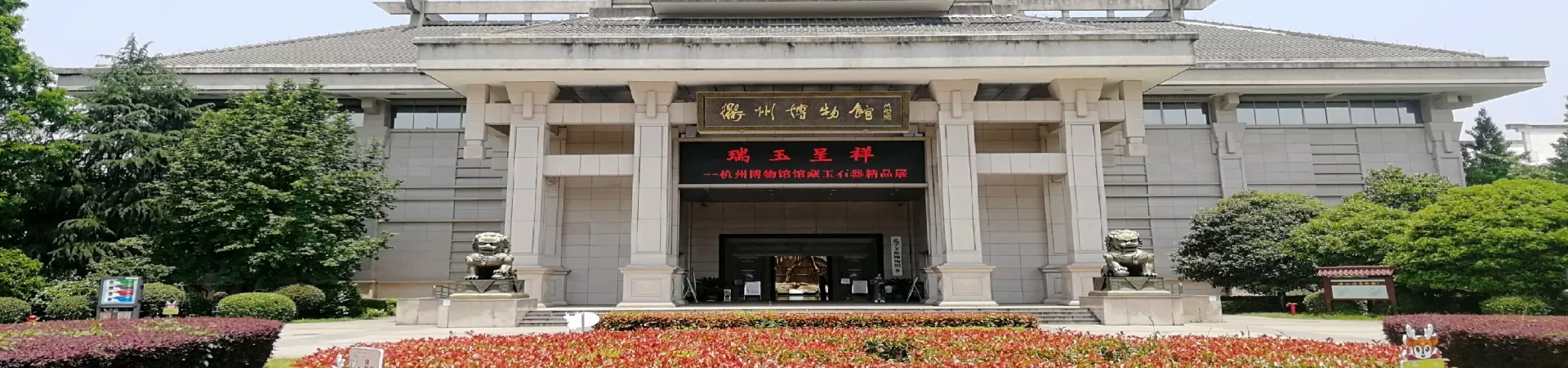
A Visitor's Guide to Quzhou Museum: History, Culture, and Practical Information
Nestled in the heart of Quzhou City, in Zhejiang Province, the Quzhou Museum stands as a central pillar of the region's cultural landscape. More than just a repository of artifacts, it serves as a dynamic narrative space, meticulously chronicling the rich and layered history of western Zhejiang from prehistoric times to the modern era. For any traveler seeking to understand the soul of this ancient yet vibrant city, a visit to this museum is an indispensable journey through time.
1. Exploring the Museum's Collections and Exhibits The museum's strength lies in its diverse and thoughtfully curated collections, which are displayed across several thematic galleries.
1.1. Permanent Exhibition: The Story of Quzhou The core of the museum is its permanent exhibition, which is systematically arranged to guide visitors through the chronological sweep of local history. * Prehistoric and Ancient Eras: This section delves into the distant past, featuring archaeological finds from the Neolithic Hemudu and Liangzhu cultures. Artifacts such as polished stone tools, primitive pottery, and early jade ornaments illustrate the dawn of civilization in this land. * Imperial China through the Ming and Qing Dynasties: A significant portion of the exhibition is dedicated to the period from the Han to the Qing dynasties. Here, visitors can admire a remarkable array of ancient porcelain, particularly from the renowned Longquan Kilns, showcasing the region's historical importance in ceramic production. Exquisite bronze mirrors, traditional ink stones, and detailed local genealogies (jiapu) offer insights into the daily life, craftsmanship, and social structures of bygone eras. * The Quzhou Confucian Temple Relics: A highlight of the collection is the artifacts recovered from the historic Quzhou Confucian Temple (Fuzong Temple). This includes architectural components, stone steles, and ceremonial objects, reflecting the profound influence of Confucian culture on the region's education and social ethos.
1.2. Special and Thematic Exhibitions Beyond its permanent displays, the museum regularly hosts temporary and special exhibitions. These often focus on specific aspects of local culture, such as Quzhou's unique paper-cutting art (Jianzhi), its history as a strategic military location, or the life and works of notable local historical figures. These rotating exhibits ensure that there is often something new to discover for repeat visitors.
2. Architectural Design and Visitor Experience The museum building itself is a blend of modern architectural design with subtle traditional Chinese elements, creating a serene and contemplative environment for exploration. * Layout and Ambiance: The galleries are spacious and well-lit, with information panels provided in both Chinese and English. The flow between exhibition halls is logical and accessible, allowing for a self-paced tour. Quiet corners and seating areas are interspersed throughout, inviting visitors to pause and reflect on the exhibits. * Interactive and Educational Elements: While primarily a display museum, it incorporates multimedia installations and interactive screens in certain sections, particularly those aimed at younger audiences or explaining complex historical contexts. These features help to bridge the gap between ancient artifacts and contemporary understanding.
3. Essential Practical Information for Your Visit To ensure a smooth and enjoyable experience, please note the following key details.
3.1. Opening Hours The museum is open to the public from 9:00 AM to 4:30 PM, Tuesday through Sunday. Last admission is at 4:00 PM. It is typically closed on Mondays for maintenance, unless the Monday falls on a national public holiday. It is always advisable to double-check the schedule around major Chinese holidays like Spring Festival or National Day.
3.2. Admission and Ticketing Admission to the Quzhou Museum is generally free of charge for all visitors. However, special temporary exhibitions may occasionally require a separate ticket. As policies can change, it is recommended to verify the current admission information directly with the museum prior to your visit.
3.3. Location and Transportation The museum is conveniently located within the city, making it easily accessible by public transport. * Address: No. 65, Xianxue Street, Kecheng District, Quzhou City, Zhejiang Province. * By Bus: Several public bus lines stop near the museum. The most useful routes include Bus numbers 6, 17, 18, 308, and 309. Look for stops named "Quzhou Bowuguan" (Quzhou Museum) or "Shifu" (City Prefecture). * By Taxi/Rideshare: Simply showing the Chinese address or name to a taxi driver is the most straightforward option. Rideshare apps like Didi are also widely used in Quzhou.
4. Enhancing Your Museum Visit * Allocated Time: To fully appreciate the main exhibitions without rushing, plan to spend at least 1.5 to 2.5 hours at the museum. * Guided Tours: Inquire at the information desk upon arrival about the availability of scheduled guided tours or audio guide rentals, which can provide deeper context to the displays. * Facilities: The museum offers standard visitor amenities, including restrooms, a cloakroom, and a gift shop where you can purchase souvenirs and books related to Quzhou's history and culture. * Nearby Attractions: Combine your museum trip with visits to other nearby cultural sites. The historic Quzhou Old Town, the magnificent Lanke Mountain, and the ancient Jianglang Mountain are all within reasonable distance and offer a broader perspective of the area's natural and cultural heritage.
Information last updated: January 2023. Details regarding opening hours, admission, and exhibition schedules are subject to change. It is recommended to confirm with official sources before your visit.