Zhangzhou Confucius Temple
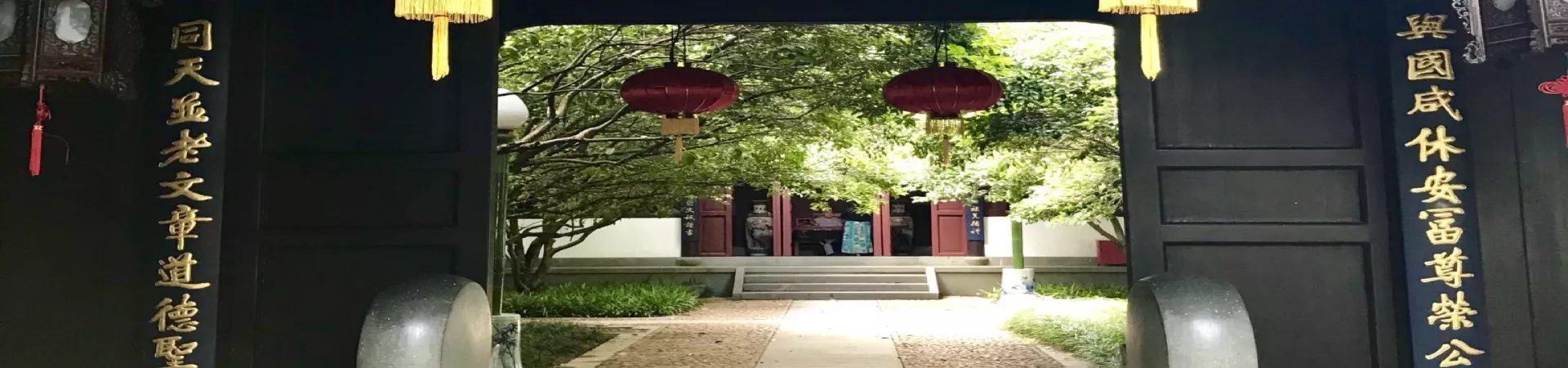
Subtitle: A Journey to the Southern Sanctuary of Confucianism: Quzhou's Confucius Mansion and Temple
Introduction: The Southern Cradle of a Legacy
Nestled in the historic city of Quzhou, in Zhejiang province, lies a site of profound cultural and historical significance that stands as a unique counterpart to its more famous northern relative. The Quzhou Confucius Mansion and Temple (衢州孔氏南宗家庙) is not merely a monument; it is a living testament to resilience, adaptation, and the enduring spread of Confucian philosophy. While the Confucius Mansion and Temple in Qufu, Shandong, is the ancestral home, the Quzhou complex represents the "Southern Branch" (南宗), a lineage born from a pivotal moment in Chinese history. Its story begins in the 12th century during the Song Dynasty, when the 48th-generation descendant of Confucius, Kong Duanyou, fled south from invading Jurchen forces, carrying sacred family relics and statues. Settling in Quzhou, he established this new center for family rites and scholarly worship. For visitors, this site offers a more intimate, contemplative, and historically layered experience than the grander northern complex, set against the lush, serene backdrop of southern China.
1. Historical Significance: The Southern Migration
1.1. The Flight from the North The founding narrative of this site is a dramatic chapter in the saga of the Kong family. In 1128 AD, as the Jin armies advanced, Emperor Gaozong of the Southern Song Dynasty ordered the relocation of the court to the south. Kong Duanyou, then the Duke Yansheng (the hereditary title bestowed upon Confucius's descendants), followed the emperor, transporting the most sacred possessions: the wooden statues of Confucius and his wife from the temple in Qufu. This act symbolically transferred the spiritual heart of Confucianism to the south, ensuring the continuity of the lineage's rituals and authority outside its traditional homeland.
1.2. Establishing a New Legacy in Quzhou Upon settling in Quzhou, the Southern Kong family received imperial patronage to build a new mansion and temple, formally establishing the Southern Branch. For generations, the title of Duke Yansheng was held by the southern lineage. However, in the early 16th century, a Ming emperor reinstated the title to the descendant who had remained in Qufu. Despite this political shift, the Quzhou branch retained immense respect, continuing to perform crucial sacrificial ceremonies and maintain its scholarly traditions. This history makes the Quzhou complex a unique symbol of cultural preservation amidst upheaval, representing a branch of the family tree that flourished independently for centuries.
2. Architectural Layout and Key Features
The Quzhou Confucius Mansion and Temple complex, though smaller in scale than the Qufu site, follows the traditional architectural canon for such sacred sites, with a clear central axis and solemn, elegant structures. The atmosphere is one of refined quietude, with ancient trees, stone steles, and peaceful courtyards.
2.1. The Temple Complex (家庙) The temple area is dedicated to worship and remembrance of Confucius and his disciples.
2.1.1. The Main Gate and Courtyards Entering through the main gate, visitors pass through a series of courtyards that gradually build a sense of reverence. Ancient cypress and gingko trees, some hundreds of years old, shade the stone-paved paths, their presence a silent witness to the passage of time.
2.1.2. The Dacheng Hall (大成殿) The architectural and spiritual core of the temple is the Dacheng Hall (Hall of Great Accomplishment). This majestic hall houses the central altar. Enshrined here are the precious wooden statues of Confucius and his wife, Lady Qiguan, which were brought from Qufu during the southern migration. The hall's architecture, with its sweeping roofs, intricate wooden brackets (dougong), and solemn interior, creates an aura of deep veneration. It is here that the most important sacrificial ceremonies were, and occasionally still are, held.
2.1.3. The Chongsheng Temple (崇圣祠) Behind the Dacheng Hall lies the Chongsheng Temple, dedicated to Confucius's ancestors. This hall reflects the Confucian emphasis on filial piety and the veneration of forebears, completing the spiritual hierarchy within the temple grounds.
2.2. The Confucius Mansion (孔府) Adjacent to the temple is the mansion, the residential and administrative quarters of the Southern Kong family. It provides a glimpse into the domestic and official life of the aristocracy of scholars.
2.2.1. Residential Quarters and Gardens The mansion consists of interconnected halls, studies, and living spaces arranged around courtyards. The furnishings and layout reflect the refined taste and scholarly pursuits of its inhabitants. A small, classical Chinese garden within the mansion grounds offers a space for contemplation and leisure, featuring rockeries, ponds, and pavilions—a microcosm of the harmonious relationship between humanity and nature espoused by Confucian thought.
2.2.2. The Stele Forest Scattered throughout the complex, but often concentrated in a dedicated corridor or garden, are numerous stone steles (石碑). These inscribed tablets record imperial edicts, historical events related to the temple's construction and repairs, poems, and tributes from officials and scholars across dynasties. They serve as an invaluable stone archive, chronicling the site's history and its esteemed place in Chinese cultural history.
3. Practical Information for Visitors
3.1. Location and Accessibility The Quzhou Confucius Mansion and Temple is located in Quzhou City, Zhejiang Province. It is situated within the city proper, making it easily accessible by taxi, public bus, or on foot from many central locations.
3.2. Opening Hours and Admission The site is generally open to the public from 9:00 AM to 5:00 PM daily. It is advisable to allocate a minimum of 2 to 3 hours for a thorough visit to fully appreciate the historical context, architecture, and tranquil gardens. The admission fee is approximately 10 RMB, making it an exceptionally accessible cultural experience. For the most current information, visitors can contact 0570-3041551.
3.3. The Visitor Experience A visit here is best undertaken as a journey of quiet discovery. Compared to more crowded heritage sites, Quzhou's Confucius complex often provides a space for peaceful reflection. Informational plaques are in Chinese, so international visitors may benefit from prior research or using a translation app to fully grasp the historical details. The serene environment, the whisper of wind through ancient trees, and the weight of history embedded in the stones offer a profound sense of connection to China's philosophical heritage.
4. Cultural and Educational Value
4.1. A Center for Confucian Studies Beyond a tourist site, the temple has historically been, and remains, an active center for the study and promotion of Confucianism. It hosts cultural events, academic seminars, and traditional ceremonies, particularly on significant dates like Confucius's birthday.
4.2. Symbol of Cultural Continuity The Quzhou site embodies a powerful narrative of cultural survival and integration. It represents how a core element of Chinese civilization was transplanted, took root, and thrived in a new environment. It stands as a symbol of the Kong family's dedication to preserving their heritage and the broader adaptability of Confucian values, which have shaped East Asian societies for millennia.
4.3. An Integral Part of Quzhou's Identity For the city of Quzhou, this complex is a cornerstone of its historical identity and a source of local pride. It anchors the city's cultural landscape, reminding residents and visitors alike of Quzhou's important role in safeguarding a pivotal piece of national heritage during a time of crisis. Its presence adds a layer of profound depth to the city's character, distinguishing it as a guardian of the southern flame of Confucian tradition.