Kongshi Nanzong Family Temple
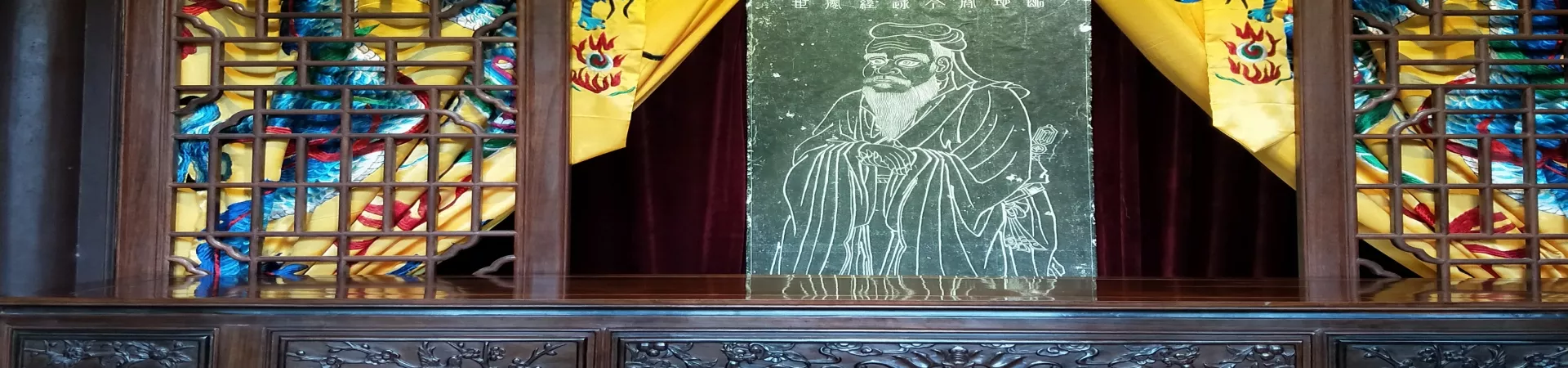
Subtitle: A Journey to the Southern Sanctuary of Confucian Heritage: The Southern Mansion of the Kong Family in Quzhou
I. Introduction: A Legacy Preserved in the South
Nestled within the historic city of Quzhou in Zhejiang Province, China, lies a site of profound cultural and historical significance: the Southern Mansion of the Kong Family, often revered as the Southern Branch of the Confucius Temple. While the world-renowned ancestral temple and mansion of the Kong family reside in Qufu, Shandong Province, this southern counterpart represents a remarkable chapter in the saga of preserving Confucian heritage. It stands as a living testament to the resilience of a lineage and the southward migration of a pivotal strand of Chinese intellectual tradition during a tumultuous period in history. For any visitor seeking to understand the enduring influence of Confucius beyond his birthplace, this mansion offers a unique, intimate, and deeply evocative experience.
II. Historical Genesis: The Southern Flight and Establishment
A. The Historical Catalyst: The Jingkang Incident and Southern Song Migration The origin of this southern sanctuary is inextricably linked to a pivotal moment in Chinese history—the Jingkang Incident of 1127. Following the invasion by the Jurchen Jin dynasty and the fall of the Northern Song capital, Bianjing (modern-day Kaifeng), the imperial court, under Emperor Gaozong (Zhao Gou), was forced into a massive retreat south of the Yangtze River. This event, known as the "Flight to the South," reshaped the cultural and political landscape of China.
B. Kong Duanyou: The 48th-Generation Bearer of Legacy Accompanying the fleeing court was Kong Duanyou, a direct descendant of Confucius in the 48th generation who held the revered title of "Yansheng Duke" – the hereditary noble title bestowed upon the senior male descendant of Confucius since the Western Han Dynasty. Carrying precious family relics, including a prized wooden statue of Confucius, Kong Duanyou embarked on this arduous journey, symbolizing the physical transfer of a sacred lineage to a new sanctuary.
C. Foundation in Quzhou Initially, the southern branch was established in Quzhou by imperial decree around 1128 AD. The site served as both a familial residence and a ceremonial center for performing rites to the sage. Its establishment ensured the continuity of Confucian rituals and lineage veneration in southern China, creating a secondary spiritual hub for the Kong family.
III. Architectural Evolution and Present Structure
A. Relocation and Reconstruction in the Ming Dynasty The mansion's location was not permanent in its early centuries. During the Ming Dynasty (specifically in the early 16th century), the complex was relocated and substantially rebuilt at its current site in Quzhou. This reconstruction reflected the architectural styles and ceremonial needs of the period, solidifying its presence in the city's urban fabric.
B. The Modern Restoration of 1998 The architectural ensemble visible to visitors today is primarily the result of a comprehensive renovation completed in 1998. While modern in its execution, this restoration was meticulously undertaken to adhere to traditional Chinese architectural principles, particularly those of Qing Dynasty-style official and residential compounds, and to honor the historical function of the site. The complex, though smaller in scale than its Qufu counterpart, faithfully incorporates key elements of a traditional Kong family mansion.
IV. Navigating the Mansion: Layout and Key Features
A. The Central Axis and Ceremonial Spaces The layout typically follows a symmetrical arrangement along a central north-south axis, emphasizing order and hierarchy. Key halls along this axis would have been used for ancestral veneration, family ceremonies, and receiving guests. The main hall serves as the focal point for ritual activities.
B. The Residential Quarters and Living History Flanking the central ceremonial buildings are the residential quarters and study rooms, offering a glimpse into the domestic life of the Kong descendants who stewarded this southern branch. These spaces evoke the daily realities of preserving a grand tradition across generations.
C. The Rear Garden: A Serene Conclusion A highlight for many visitors is the mansion's Rear Garden. This classical Chinese garden provides a tranquil space for contemplation, featuring traditional landscaping with ponds, rockeries, pavilions, and lush flora. It symbolizes the Confucian ideal of harmony between humanity and nature. Adding a touch of vibrant life and perhaps symbolic resonance to the garden is the presence of a beautiful peacock, whose dignified strut and splendid plumage create a memorable living tableau against the ancient backdrop.
V. Practical Information for Visitors
A. Opening Hours and Admission The mansion is open to the public daily from 9:00 AM to 5:00 PM. The last admission is at 4:30 PM. It is advisable to allocate at least 1.5 to 2 hours for a thorough visit. A nominal admission fee is charged for entry.
B. Contact Information For any specific inquiries prior to your visit, the mansion can be contacted directly.
C. Cultural Etiquette As an active site of cultural heritage and respect, visitors are encouraged to maintain a respectful demeanor, especially within the main ceremonial halls. The mansion is not merely a museum but a continuing symbol of a living lineage.