Jiangshan Xianxia Pass
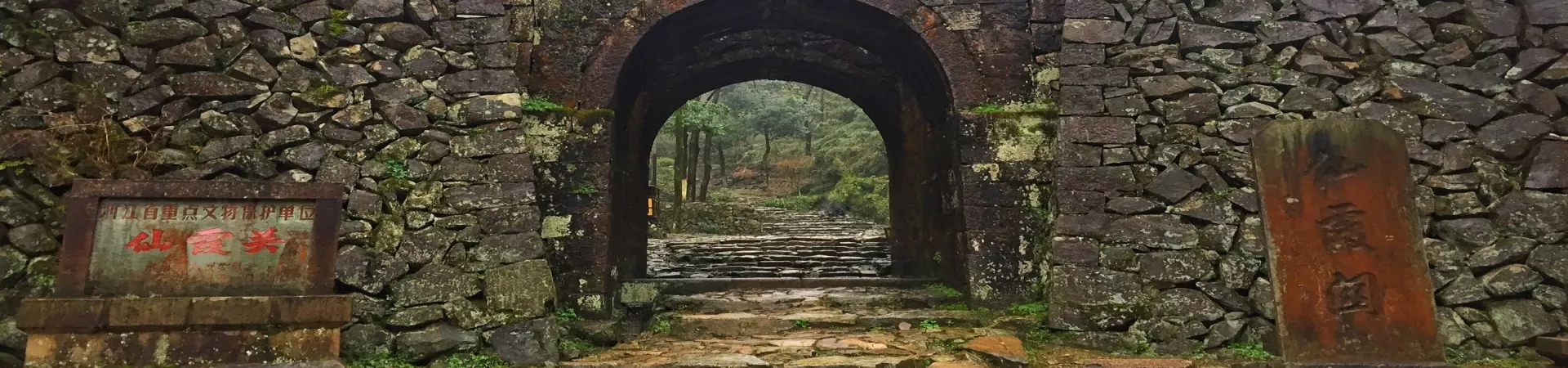
Subtitle: A Journey Through Time: Exploring the Ancient Pass and Beyond
Nestled in the mountainous borderlands where Zhejiang, Fujian, and Jiangxi provinces converge, the Xianxia Pass Scenic Area is far more than a single destination; it is a sprawling, living museum of history, geology, and culture. Encompassing over 53 key sites—including the ancient Xianxia Trail, the Four Passes of Xianxia, Chongtian Garden, former residences of historical figures, the ancient town of Nianbadu, and the Fugai Piled Stone Cave Complex—the area offers a profound journey through centuries of strategic importance and natural wonder. Its story begins not with peaceful trade, but with the thunderous march of rebellion, forever etching its name into the annals of Chinese history.
The Strategic Crucible: From Rebellion to "The Lock of the Southeast"
The very existence of the main passage is attributed to a moment of monumental upheaval. According to historical records, during the late Tang Dynasty, the rebel army led by Huang Chao, in its campaign to advance into Fujian, forged a path through these formidable mountains. This act of military necessity birthed what would become the legendary Xianxia Ancient Trail. The terrain itself dictated its strategic value: the area is characterized by imposing gates and perilous gorges, creating a natural bottleneck controlling movement between the three provinces.
This geographical imperative earned Xianxia Pass titles that resonate with historical weight: "The Lock of the Southeast" and "The Throat of the Eight Min Regions" (a classical reference to Fujian). For dynasties that followed, controlling this pass meant controlling a vital artery for military campaigns, administrative communication, and later, commercial exchange. The four fortified gates that stand today, meticulously constructed from massive stone blocks, are silent sentinels to this past. Each gate, positioned strategically along the steep trail, formed a layered defense system, forcing any approaching force to conquer one barrier after another under a hail of projectiles from the heights above. Walking through these stone arches is to walk in the footsteps of soldiers, messengers, and merchants who shaped the region's destiny.
A Tapestry of Sites: Beyond the Fortified Gates
While the passes form the historical core, the scenic area's richness unfolds across multiple dimensions.
The Xianxia Ancient Trail This is the backbone of the experience. Winding through lush bamboo forests and over rugged peaks, the stone-paved trail offers more than a hike; it is a pilgrimage through time. The varying states of preservation along its length—from well-trodden, clear sections to more rugged, overgrown parts—add to its authentic charm, allowing visitors to sense the isolation and challenge it once presented.
Chongtian Garden and Historical Residences Scattered throughout the area are sites that add cultural and personal depth to the martial narrative. Chongtian Garden provides a moment of contemplative beauty, a classical Chinese garden setting that contrasts with the surrounding militaristic structures. Furthermore, the preserved former residences of notable historical figures offer a glimpse into the lives of the scholars, officials, and perhaps even the military commanders who were intricately linked to the fate of this strategic corridor.
The Fugai Piled Stone Cave Complex A geological marvel that complements the historical human story. This area features extraordinary formations of gigantic, seemingly precariously piled boulders creating natural caves, tunnels, and labyrinths. The result of ancient geological shifts and weathering, Fugai Stone Cave Complex invites exploration of its cool, shadowy chambers, presenting a starkly different, yet equally awe-inspiring, natural fortress compared to the man-made passes.
The Living Heritage: Nianbadu Ancient Town Perhaps the most captivating complement to Xianxia Pass is the ancient town of Nianbadu (Twenty-Eight Capitals), often included in the broader cultural journey. Located not far from the pass, this town flourished precisely because of the traffic on the Xianxia Trail. As a rare settlement where migrants from Zhejiang, Fujian, Jiangxi, and Anhui provinces settled, it became a remarkable cultural melting pot. This diversity is vividly preserved in its architecture, with distinct regional styles standing side-by-side, and in its local dialects, customs, and operas. Wandering its old streets is to experience the vibrant, commercial, and civilian legacy born from the strategic military road.
Visitor Information
For those planning to embark on this exploration, practical details are straightforward. The scenic area is generally open to visitors from 8:00 AM to 5:00 PM, Monday through Sunday, throughout the year. The admission fee is set at 55 RMB. For any specific inquiries or to confirm details before your visit, you may contact the management at 0570-4962002.
A visit to the Xianxia Pass Scenic Area is therefore a multi-layered experience. It begins with the tangible, formidable presence of the stone gates guarding a mountain path. It expands into an appreciation for the geological forces that shaped the landscape. It culminates in the understanding of how this physical geography dictated human history—sparking rebellion, demanding defense, and ultimately fostering a unique cultural exchange in the ancient town that its traffic sustained. It is a place where nature, warfare, and civilization are inextricably intertwined.