Fugai Mountain of Quzhou
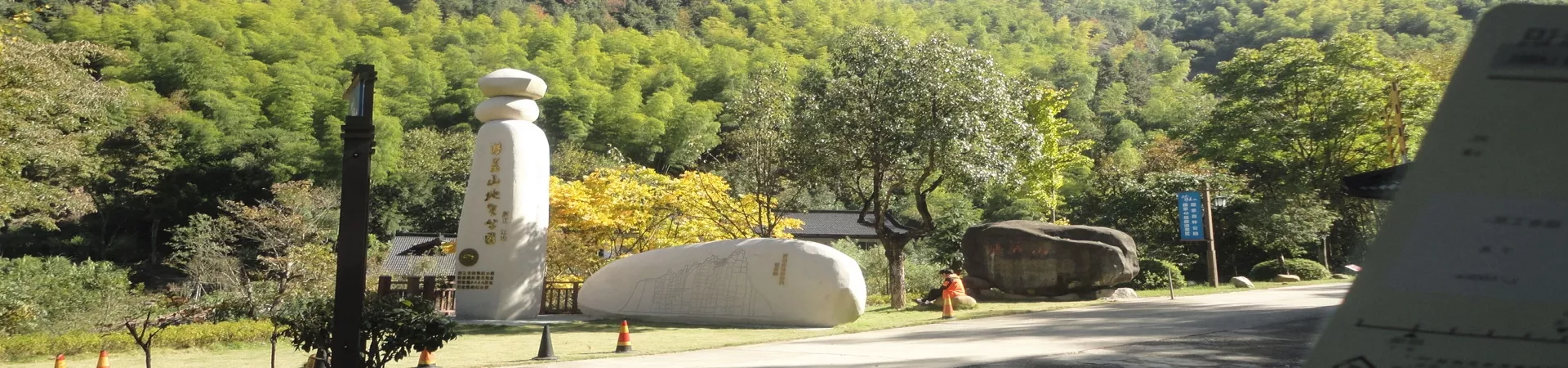
Subtitle: A Realm of Granite Giants and Ancient Borders: Discovering Fugaishan's Mystical Landscape
Introduction: Where Two Mountain Ranges Embrace
Nestled at the dramatic confluence of two of Southern China's most storied mountain ranges, the Xianxialing and the Wuyi, lies Fugaishan, a mountain whose very name evokes a sense of myth and majesty. Known alternatively as Gaixian Mountain, or "Covered Immortal Mountain," it serves not only as a formidable geological wonder but also as a centuries-old natural boundary between the provinces of Zhejiang and Fujian. This unique positioning has endowed Fugaishan with a character that is both ruggedly imposing and deeply enigmatic, a place where earth's raw power is on full display, sculpted into fantastical forms that have inspired legends for generations. More than just a scenic spot, it is a journey into a world of colossal granite boulders, hidden caves, and whispering pine forests, all steeped in the quiet history of a frontier land.
I. A Geological Marvel: The Granite Wonderland
The soul of Fugaishan is written in stone—massive, awe-inspiring granite. The mountain's most defining feature is its extraordinary assemblage of gigantic granite boulders and rock formations, which appear as though they were carelessly piled upon one another by ancient titans.
- The Sea of Boulders and Stone Corridors: Visitors traverse a landscape dominated by what seems like a petrified ocean of stone. Enormous rocks, weathered by millennia of wind and rain, create a labyrinth of narrow passages, natural archways, and secluded grottoes. Hiking here involves climbing over, squeezing between, and winding around these natural obstacles, making every step an adventure. Sunlight filters through cracks, illuminating moss-covered surfaces and creating a play of light and shadow that changes with the hour.
- Formation and Folklore: Geologically, these formations are the result of long-term weathering and erosion of granite joints. Yet, local folklore offers more poetic explanations, telling tales of immortal beings who once resided here, their activities giving shape to the mountain. The name "Covered Immortal Mountain" itself suggests a place where celestial beings might hide beneath its stony canopy, adding a layer of mystical charm to the scientific wonder.
II. Navigating the Summit and Key Vistas
Reaching the summit of Fugaishan is a rewarding endeavor, offering panoramic views that stretch across two provinces. The trails, integrated with the boulder fields, lead explorers through a series of captivating viewpoints.
- The Main Peak Experience: The ascent to the main peak is an engaging mix of stone steps carved into the slope and more challenging scrambles over rock faces. While demanding in parts, the paths are generally accessible to most determined hikers.
- Must-See Viewpoints:
- Boundary Marker Overlook: Standing at the summit, one can literally look into two different worlds—the rolling hills of Zhejiang to the north and the more sharply defined ridges of Fujian to the south. A physical boundary marker often serves as a popular photo spot, symbolizing the mountain's historical role.
- Cloud Sea Observation Point: On mornings after rain, a spectacular sea of clouds often envelops the lower valleys, with the granite peaks piercing through the white blanket like islands. This ethereal phenomenon is a highlight for photographers and nature lovers.
- Boulder Forest Vista: Several lookouts along the trail provide stunning downward views into the heart of the "stone ocean," allowing visitors to appreciate the sheer scale and chaotic beauty of the granite formations from above.
III. Historical Echoes: The Ancient Frontier Pass
Beyond its natural beauty, Fugaishan is a silent witness to history. Its strategic location made it a part of the ancient frontier defense system and a challenging segment of old merchant trails.
- The Ancient Paths: Winding through the mountain passes are remnants of stone-paved trails. These were once part of the vital network connecting the inland regions with the coastal areas of Fujian, used by merchants, soldiers, and travelers. Walking these paths, one can imagine the arduous journeys undertaken centuries ago.
- A Natural Barrier: For much of history, the rugged terrain of Fugaishan formed a natural military barrier between regions. It was part of the broader defensive perimeter that included the nearby, historically significant Xianxia Pass, helping to control movement and trade across the provincial border.
IV. Practical Information for Your Visit
To fully enjoy the wonders of Fugaishan, here is the essential practical information for planning your trip.
- Location and Access: Fugaishan is located in the southern part of Zhejiang's Quzhou prefecture, near the town of Shibapan in Jiangshan County. It is most commonly accessed by private vehicle or hired taxi from Jiangshan city. The drive itself offers beautiful views of the rural countryside.
- Admission and Hours:
- Ticket Fee: The entrance ticket is priced at 40 RMB per person.
- Opening Hours: The scenic area is open daily from 08:00 to 17:00. It is crucial to note that the latest admission is permitted until 15:30. Visitors should plan to arrive well before this cut-off time to allow for a complete exploration.
- Contact: For the most current information, especially regarding weather-related closures, visitors can contact the management at 0570-4873017.
- Visiting Tips:
- Footwear and Clothing: Sturdy, non-slip hiking shoes are absolutely essential due to the rocky and sometimes steep terrain. Dress in layers, as temperatures can be cooler at the summit.
- Physical Preparedness: The hike involves a fair amount of climbing and scrambling. A moderate level of fitness is recommended.
- Hydration and Snacks: Bring sufficient water and some energy snacks, as facilities on the mountain are limited.
- Weather Consideration: The best times to visit are spring (April-May) and autumn (September-October) for pleasant temperatures and clear skies. Always check the weather forecast beforehand, as trails can become slippery in the rain.
- Time Allocation: Allocate a minimum of 3-4 hours for a thorough visit, allowing time for photography and rest amidst the breathtaking scenery.