Xidaquan Forest Park
Subtitle: A Hidden Gem in Northeastern China: Exploring the Pristine Wilderness of Xidaquan Forest Park
1. Introduction to a Natural Sanctuary Nestled within the administrative region of Qitaihe City in Heilongjiang Province, Xidaquan National Forest Park stands as a magnificent testament to Northeast China's often-overlooked natural beauty. Far from the bustling metropolises, this expansive park offers a profound escape into a pristine, temperate forest ecosystem. It is a destination where the air is crisp with the scent of pine, the silence is broken only by birdsong and rustling leaves, and the landscape tells a story of geological wonder and ecological richness. The park serves not merely as a recreational area but as a vital green lung and a conservation haven, protecting a diverse array of flora and fauna native to the region. For travelers seeking authenticity, tranquility, and a direct connection with unspoiled nature, Xidaquan presents an unparalleled opportunity.
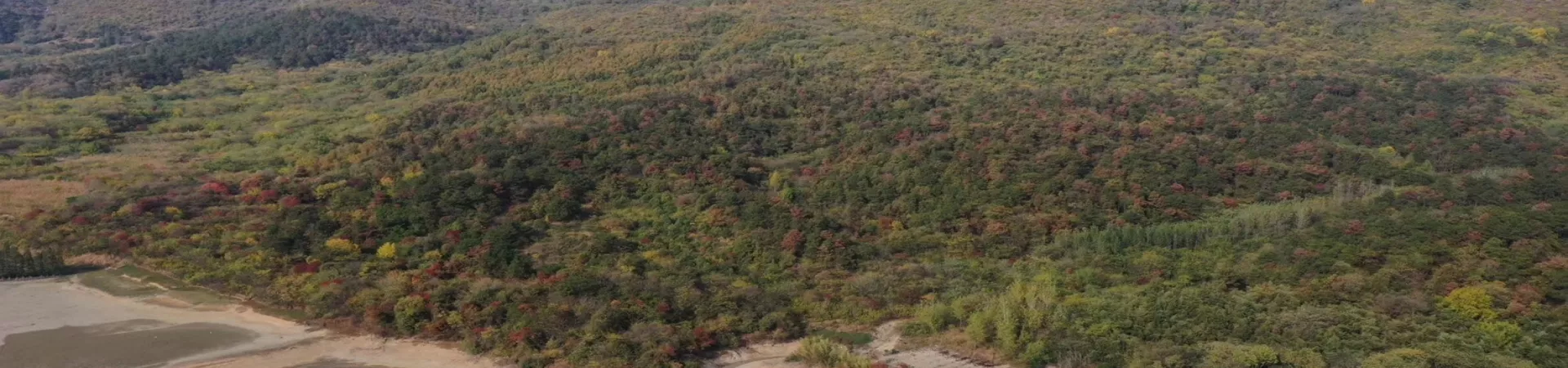
2. The Geographical and Ecological Tapestry 2.1. Location and Landscape Formation The park is situated in the hinterlands of the Qitaihe area, characterized by its low mountain and hilly terrain. This topography is the result of ancient geological activity, creating a rolling landscape of forested peaks and serene valleys. The area's natural forests are predominantly secondary growth, featuring a majestic mix of coniferous and broad-leaved trees. This varied terrain provides the foundation for the park's complex ecosystems and scenic vistas, making every trail a journey through a living, breathing geological history.
2.2. A Biodiversity Hotspot Xidaquan is a sanctuary for wildlife. The forest canopy shelters numerous bird species, making it an excellent spot for birdwatching. The undergrowth and dense woods provide habitat for various mammals, while the clean, oxygen-rich air supports a rich understory of plants, mosses, and fungi. This biodiversity is the park's most valuable asset, offering visitors a chance to witness a balanced, thriving natural community rarely found so accessible.
3. Experiencing the Park: Attractions and Activities 3.1. The Allure of the Primeval Forest The heart of the experience lies in immersing oneself in the primeval forest atmosphere. Well-maintained hiking trails of varying difficulty wind through the woods, allowing visitors to explore at their own pace. * Forest Bathing (Shinrin-yoku): The park is an ideal venue for this practice, where one consciously absorbs the atmosphere of the forest. The phytoncides (natural oils) released by the trees, combined with the high concentration of negative oxygen ions, are scientifically proven to reduce stress, boost mood, and enhance overall well-being. * Photography and Solitude: Every season paints the forest in a different palette—lush green in summer, a fiery spectacle of reds and golds in autumn, a silent, snow-covered wonderland in winter, and a realm of renewal in spring. It is a paradise for photographers and anyone seeking peaceful contemplation.
3.2. Key Natural and Scenic Sites While the entire park is a scenic area, several highlights are particularly noteworthy. 3.2.1. The Observation Platform A visit often culminates at the park's main observation platform. The climb is rewarded with a breathtaking panoramic view of an endless sea of forested mountains stretching to the horizon. This vista powerfully conveys the scale and untouched beauty of the Lesser Khingan Range region, especially stunning at sunrise or sunset. 3.2.2. Unique Geological Features The park's geology adds another layer of interest. Visitors can find intriguing rock formations and landforms shaped by millennia of weathering, which provide insight into the area's natural history and create unique points of interest along the trails.
3.3. Recreational Infrastructure Understanding the need for comfort within the wilderness, the park has developed supportive infrastructure. * Visitor Center and Accommodation: A comprehensive visitor center provides essential information, maps, and educational exhibits about the local ecology. For those wishing to extend their stay, there are lodging options ranging from simple guesthouses to more comfortable forest cabins, allowing for multi-day exploration. * Dining and Local Flavors: On-site dining facilities offer a taste of local Heilongjiang cuisine, often featuring wild vegetables, mushrooms foraged from the forest, and other regional specialties, providing a culinary connection to the land.
4. Practical Visitor Information and Travel Insights 4.1. Best Time to Visit The park is open year-round, each season offering a distinct charm. * Summer (June-August): The most popular time, with pleasant temperatures, full foliage, and vibrant life. It's perfect for hiking and forest exploration. * Autumn (September-October): Arguably the most spectacular season, as the mixed forest transforms into a mosaic of crimson, orange, and yellow. The weather is cool and ideal for hiking. * Winter (November-March): The park becomes a serene, snowy retreat. It is suitable for visitors who enjoy stark, quiet landscapes and winter photography, though some facilities may have limited access. * Spring (April-May): A time of awakening, with melting streams, budding trees, and blooming wildflowers.
4.2. Access and Transportation Reaching Xidaquan requires some planning due to its secluded location. * Major Gateway: The nearest major city is Qitaihe. Visitors can travel to Qitaihe by train or long-distance bus from provincial hubs like Harbin. * Final Leg: From Qitaihe city, the most convenient way to reach the park is by hiring a private car or taxi for the remaining journey. It is advisable to arrange round-trip transportation in advance. Public bus services may exist but are often infrequent and less direct.
4.3. Tips for a Responsible and Enjoyable Visit * Preparation: Wear sturdy, comfortable walking shoes and dress in layers, as mountain weather can change quickly. Carry water, snacks, and basic supplies. * Conservation Ethic: Adhere to the principle of "Leave No Trace." Stay on designated trails, do not disturb wildlife or pick plants, and carry out all trash. Preserving the pristine environment is a shared responsibility. * Safety: While the trails are maintained, it is wise to hike with a companion, inform someone of your plans, and carry a charged phone. Be aware of your surroundings and check weather forecasts before departure.