Yuanyang Lake Scenic Area
Subtitle: A Detailed Guide to Visiting the Enchanting Yuanyang Lake (Mandarin Duck Lake) in Qiannan
1. Introduction to Yuanyang Lake
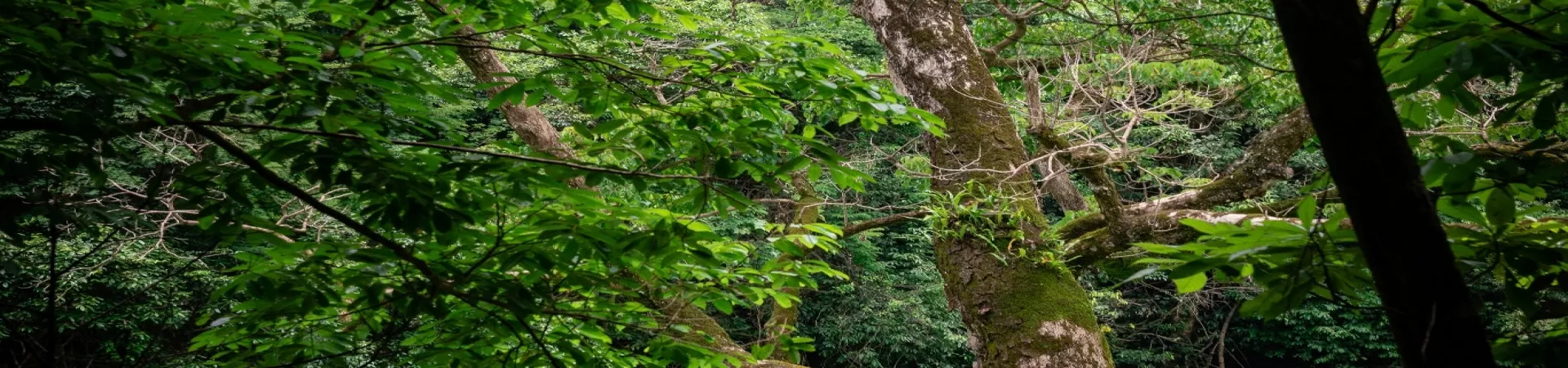
Nestled within the breathtaking karst landscape of Qiannan Buyei and Miao Autonomous Prefecture in Guizhou Province, China, Yuanyang Lake, often poetically called Mandarin Duck Lake, stands as a serene and otherworldly natural wonder. Far from being a simple body of water, it is a pristine karst plateau lake, a masterpiece of geological evolution where water, stone, and life engage in a silent, millennia-old dance. The lake's magic is not immediately apparent from its shores; it reveals itself fully only to those who venture onto its calm, glassy surface. As you glide by boat into its heart, a surreal forest emerges from the water. This is the lake's defining spectacle: trees that have taken root directly in the submerged limestone rocks, their roots weaving through cracks and fissures to anchor deep into the lakebed below. This extraordinary adaptation creates a labyrinth of aquatic groves, where trunks rise from the depths and foliage brushes the sky, blurring the line between land and water. The visual experience is dynamic and ever-changing. Variations in the lake's depth, the contours of the underwater terrain, and the interplay of sunlight filtering through the canopy above combine to paint the water with a mesmerizing palette. Hues shift from deep emerald and jade to vivid turquoise and crystalline blue, offering a continuously shifting, multicolored panorama that captivates photographers and nature lovers alike.
2. Planning Your Visit: Essential Practical Information
A smooth visit to Yuanyang Lake requires some practical planning, as it is part of the larger, famed Xiaoqikong Scenic Area. Here is a breakdown of the key details you need to know.
2.1. Location and Access Yuanyang Lake is located within the Xiaoqikong (Small Seven Arches) Scenic Area in Libo County. The primary gateway is the county town of Libo.
2.2. Transportation Options Reaching Xiaoqikong (and thus Yuanyang Lake) from Libo town is straightforward, with several options: * Direct Shuttle Bus: The most convenient and economical public transport. Dedicated buses depart from Libo County Bus Station to Xiaoqikong. They run frequently at intervals of approximately 15 minutes from 6:00 AM to 5:00 PM. The fare is around 9 RMB per person. * Taxi: Taxis in Libo county town have a starting fare of 4 RMB. For a trip to Xiaoqikong, it is advisable to negotiate a round-trip price with the driver in advance. Note that Libo's town center is quite compact and easily navigable on foot for other needs. * Private Car Charter: An ideal solution for groups (typically 6 or more people) or those seeking flexibility, especially if combining the visit with a trip to the nearby Maolan Karst Forest Reserve. For a standard 7-seater van with a driver, expect prices starting around 150 RMB per day for a return trip to Xiaoqikong. Chartering for Maolan starts at approximately 300 RMB per day.
2.3. Ticketing and Fees Admission to Yuanyang Lake is covered by the Xiaoqikong Scenic Area ticket. * Base Ticket: 110 RMB per person. * Mandatory Scenic Area Shuttle Bus: 40 RMB per person. This is essential for covering the large distances between attractions within the park. * Insurance: An optional 5 RMB per person fee. * Special Note: The iconic boat ride on Yuanyang Lake itself requires a separate fee, which is approximately 30 RMB per person. This fee is highly recommended, as it is the only way to truly experience the lake's core beauty. * Discounts: Children under 1.2 meters in height and those under 15 years of age (upon presenting valid ID) are exempt from the 110 RMB admission ticket. They will likely still need to pay for the shuttle bus.
2.4. Opening Hours The Xiaoqikong Scenic Area is open daily from 8:00 AM to 4:00 PM. Last admission is at 4:00 PM. It is crucial to plan your arrival to ensure you have sufficient time to reach Yuanyang Lake and enjoy the boat ride before the park closes.
3. The Yuanyang Lake Experience: What to Expect and How to Explore
3.1. The Journey Through Xiaoqikong Your visit to Yuanyang Lake is part of a broader journey through the stunning Xiaoqikong Scenic Area. After entering the park and boarding the efficient shuttle bus system, you will be transported to various scenic spots, which may include cascading waterfalls, turquoise pools, and ancient bridges, before arriving at the station for Yuanyang Lake.
3.2. The Boat Ride: Immersion in a Fairy Tale Upon reaching the lake's docking area, you will board a small, manually paddled or poled boat—the standard and most environmentally friendly way to explore. This quiet mode of transport preserves the tranquility and prevents disturbance to the fragile ecosystem. * Entering the Aquatic Forest: As the boat moves away from the shore, you enter a different world. The water becomes clearer, and the famous "water-growing trees" appear. Your boatman will expertly navigate through narrow channels flanked by these rooted giants. * Observing the Phenomenon: Look closely at the waterline. You will see trees seemingly sprouting directly from the lake's surface. Their roots are not in soil but are wrapped around and drilled into the karst limestone protruding from the water, creating astonishing natural sculptures. * Playing with Light and Color: Pay attention to how the colors change. In shallow areas with white sandy bottoms, the water shines a brilliant light blue or green. Over deeper sections or dark rock, it transforms into a profound, rich emerald or sapphire. The dappled sunlight through the leaves adds sparkling highlights.
3.3. Photography and Mindfulness This is a paradise for photographers. The reflections are often perfect, creating symmetrical compositions. The best shots are usually found in the quieter inner sections of the lake. Beyond photography, the experience invites mindfulness. The only sounds are the gentle dip of the oar, birdsong, and the rustle of leaves. It’s a place for quiet contemplation of nature's resilience and beauty.
4. Tips for an Enhanced Visit
4.1. Best Time to Visit The lake is accessible year-round, but its character changes with the seasons. * Spring (April-June) & Autumn (September-November): These are generally considered the best times. The weather is mild, rainfall is moderate (keeping the water levels good and colors vibrant), and visitor numbers are manageable. * Summer (July-August): This is the peak tourist season and the rainy season. While the foliage is lush and the water abundant, heavy rains can sometimes lead to temporarily murky water. It is also the most crowded period. * Winter (December-February): The crowd is thin, and the misty atmosphere can be ethereal. However, some vegetation may be sparse, and the weather can be quite chilly.
4.2. What to Bring * Waterproof Bag/Gear: Protect your camera, phone, and other electronics from splashes on the boat. * Comfortable Shoes: You will walk from the shuttle bus stop to the dock. * Sun Protection: Hat, sunglasses, and sunscreen are advisable, as the boat offers little shade. * Cash: While major ticketing may accept digital payments, having some cash for the boat fee or small vendors is useful.
4.3. Managing Your Time With the park's operating hours in mind, allocate at least 1 to 3 hours for the Yuanyang Lake section specifically. This includes shuttle bus transfer time, waiting for the boat, the 30-60 minute boat ride itself, and time for photographs. If Yuanyang Lake is a priority, consider heading there directly upon entering the park to avoid the largest crowds later in the day.