Water Forest
Subtitle: A Journey into the Ethereal Realm of Water and Wood
Introduction: The Enchantment of Qiannan's Water Forest
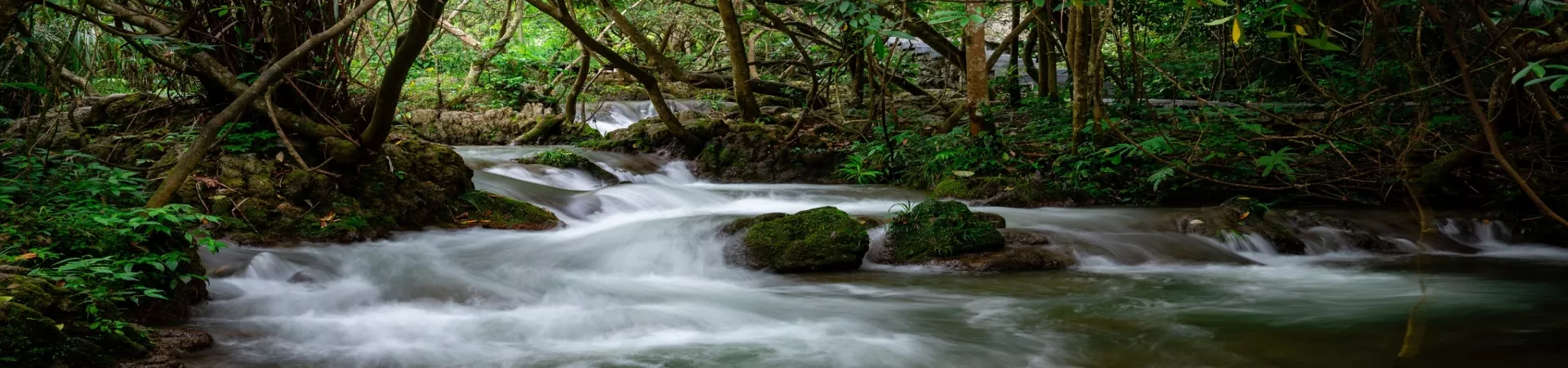
Nestled within the breathtaking landscape of Qiannan Buyi and Miao Autonomous Prefecture in Guizhou Province, China, lies a natural masterpiece that defies conventional botanical wisdom—the Water Forest. This world-class attraction, forming an integral part of the renowned Xiaoqikong Scenic Area, presents a serene yet dynamic spectacle where the elements of water, stone, and tree engage in a timeless, symbiotic dance. More than just a scenic spot, it is a living testament to nature's resilience and artistry, offering visitors a tranquil escape into an ecosystem that feels both ancient and miraculously suspended in time. The forest is thoughtfully divided into upper and lower sections, each allowing for immersive exploration of its unique charms, where the gentle murmur of flowing water accompanies every step through this verdant, aqueous gallery.
Section I: The Geological and Botanical Symphony
1.1 The Sculpting Hand of Time and Water The foundational magic of the Water Forest begins with its hydrological narrative. For millennia, a crystal-clear river has coursed relentlessly through this terrain, its gentle but persistent flow performing a slow, meticulous act of sculpting. The riverbed, subjected to this daily ablution, has been stripped bare of all silt and sand. Even the most solid bedrock, once jagged and rough, has been polished by the endless caress of the current into smooth, rounded stones that gleam under the dappled forest light. This aquatic polishing has created a surreal, minimalist landscape—a clean, stone-paved channel that serves as the stage for the forest's main drama.
1.2 Roots of Resilience: The Trees That Defy Convention Against this backdrop of fluid motion stands the forest's steadfast heart: hundreds upon hundreds of trees, encompassing dozens of species, including several rare and precious varieties. In a breathtaking defiance of normal growth patterns, these trees have not taken root in soft, nurturing soil. Instead, they anchor themselves directly onto and into the submerged, water-smoothed rocks of the riverbed. Their roots, tenacious and determined, grip the hard stone, often penetrating its fissures to seek a firmer hold in the earth below. This creates the forest's iconic and paradoxical visual: robust, thriving trees rising majestically from the very center of the flowing stream. They stand like devoted sentinels, unwavering in the face of the constant current that swirls around their trunks—a powerful metaphor for resilience and adaptability.
Section II: Experiencing the Water Forest
2.1 Navigating the Upper and Lower Reaches The visitor experience is enhanced by the division into two segments. The upper section often features slightly more vigorous flows and a denser congregation of trees, providing dramatic vistas of water parting around sturdy trunks. The lower section tends to be broader and calmer, allowing for clearer reflections and a more meditative atmosphere. Walking along the well-maintained wooden boardwalks and stepping stones that weave through the forest is the primary mode of exploration. These paths let you wander through the scene, becoming part of the composition, with the cool mist from the river on your skin and the sound of water as a constant companion.
2.2 The Interplay of Light, Shadow, and Reflection The beauty of the Water Forest transforms with the time of day and the seasons. Sunlight filters through the lush canopy overhead, casting dancing patterns of light and shadow on the shimmering water surface and moss-covered stones. In the soft, golden light of early morning or late afternoon, the entire scene is bathed in a warm glow, enhancing the vibrant greens of the foliage and the rich browns of the tree bark. The perfectly clear water acts as a mirror, doubling the visual splendor and creating mesmerizing, symmetrical images where the real and the reflected worlds merge seamlessly.
Section III: Practical Visitor Information
3.1 Admission and Operational Details Access to the Water Forest is included within the general admission ticket for the expansive Xiaoqikong Scenic Area. Notably, there is no separate entrance fee for the Water Forest itself. The scenic area operates daily from 8:00 AM to 4:00 PM throughout the year. It is highly advisable to plan your arrival earlier in the day to fully appreciate the tranquility of the forest and to accommodate the time needed to explore the wider offerings of the Xiaoqikong area.
3.2 Planning Your Visit A visit to the Water Forest typically requires 1 to 3 hours, depending on your pace and depth of exploration. Comfortable, waterproof footwear with good grip is essential, as the paths and stepping stones can be damp and slippery. The environment is naturally cool and humid, so a light jacket might be welcome. As a protected natural site, visitors are urged to practice responsible tourism: staying on designated paths, refraining from touching or damaging the delicate trees and roots, and carrying out all trash to preserve the pristine beauty of this unique ecosystem.
Section IV: The Ecosystem and Conservation Significance
4.1 A Delicate Natural Balance The Water Forest is not merely a picturesque oddity; it is a highly specialized and delicate ecosystem. The trees, having adapted to constant hydration and the physical challenge of anchoring in rock, represent a fascinating study in botanical adaptation. The clear, oxygen-rich water supports specific aquatic and semi-aquatic life forms, while the root systems create micro-habitats for fish and insects. This intricate balance between flora, geology, and hydrology is what sustains the forest's ethereal beauty.
4.2 A Legacy to Be Preserved Recognizing its status as a world-class natural wonder, ongoing conservation efforts are paramount. The management of the Xiaoqikong Scenic Area implements measures to control visitor impact and maintain water quality. The existence of the Water Forest serves as a powerful reminder of nature's fragility and ingenuity. For the visitor, it offers a profound opportunity to witness a landscape where the traditional boundaries between forest and river dissolve, inviting quiet contemplation and leaving an indelible impression of harmonious coexistence.