Libo Zhangjiang Scenic Area
Subtitle: A Comprehensive Guide to Libo Zhangjiang Scenic Area: China's Hidden Karst Paradise
1. Introduction to the Region Nestled in the heart of Qiannan Buyi and Miao Autonomous Prefecture in Guizhou Province, the Libo Zhangjiang Scenic Area stands as a crown jewel of China's southern karst landscape. This extensive and breathtakingly beautiful area is uniquely intertwined with the adjacent Libo Maolan National Nature Reserve, together forming an ecological and geological wonderland of global significance. Recognized as a UNESCO World Natural Heritage site under the "South China Karst" designation, the region captivates visitors with its pristine rivers, lush forests, dramatic waterfalls, and mysterious caves. The scenic area is systematically developed into four primary sections: the iconic Xiaoqikong (Small Seven Arches), the majestic Daqikong (Big Seven Arches), the thrilling Shuichun River, and the serene Zhangjiang River Belt. With 58 major attractions distributed across these zones, it offers a diverse palette of experiences, from tranquil nature walks to adrenaline-pumping adventures, all centered around the mesmerizing, crystal-clear waters that are the lifeblood of the landscape.
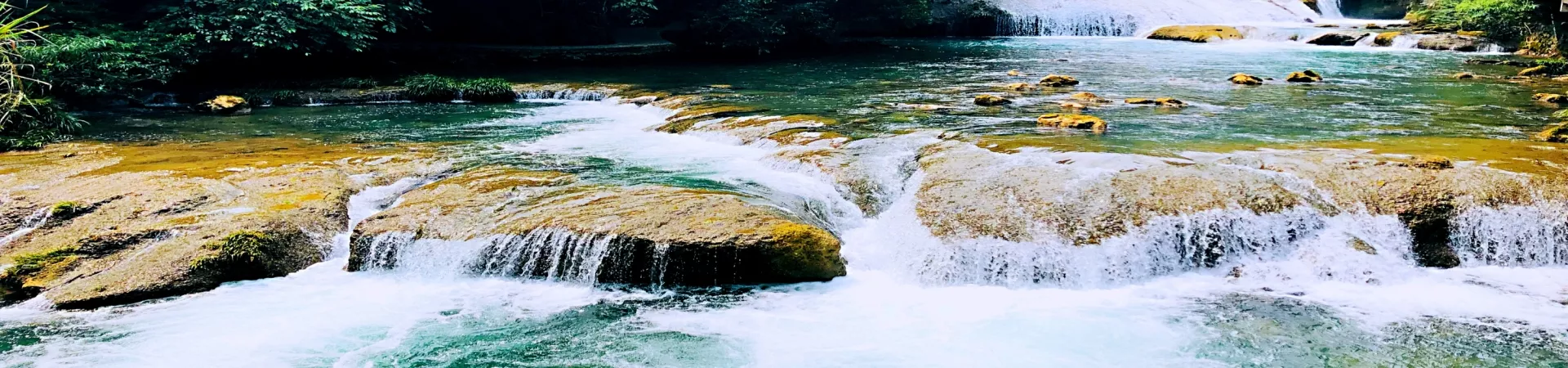
2. The Four Core Scenic Zones 2.1. Xiaoqikong (Small Seven Arches) Scenic Area Widely regarded as the most exquisite and photogenic part of Zhangjiang, Xiaoqikong is often described as a "fairyland on Earth." Its name originates from the Xiaoqikong Ancient Bridge, a charming, seven-arch stone bridge built during the Qing Dynasty, draped in verdant vines and reflected perfectly in the tranquil, turquoise waters below. The area is a seamless series of water features connected by a picturesque walkway. Visitors are treated to a stunning visual journey past the Laya Waterfall, where water cascades gracefully beside the path, creating a refreshing mist. Other highlights include the 68-tiered Dropping Waterfall, a sequence of small cascades along the river, the ethereal Wolong Lake, and the Shangxiaji Ancient Village, which offers a glimpse into local minority culture. The water here exhibits astonishing shades of blue and green, incredibly clear due to high mineral content and lack of pollution.
2.2. Daqikong (Big Seven Arches) Scenic Area Located upstream from Xiaoqikong, Daqikong presents a more grandiose and powerful aspect of karst geology. The atmosphere here is one of sublime majesty. The undisputed star is the Natural Bridge (Tiansheng Qiao), a colossal limestone arch formed by millennia of river erosion and cave collapse. Measuring over 70 meters in height and spanning 20 meters, it creates a monumental, cathedral-like passage. Further exploration leads to the Demon's Wind Cave (Yaofeng Dong), a deep cavern from which a cool, strong breeze constantly emanates, adding an air of mystery. The Fear Cliff Gorge features steep, imposing cliffs that tower over the winding river, creating a sense of awe-inspiring scale. The scenery here is more rugged and dramatic compared to the delicate beauty of Xiaoqikong.
2.3. Shuichun River Scenic Area For visitors seeking excitement, the Shuichun River Drifting experience is an absolute must. This activity transforms the tranquil waters of the Zhangjiang system into a route for exhilarating adventure. The漂流 (piāoliú, drifting) journey covers approximately 13 kilometers, combining stretches of thrilling rapids with calmer sections that allow drifters to admire the stunning riverside scenery—sheer cliffs, dense forests, and occasional waterfalls. It is a perfect blend of adventure and sightseeing, suitable for most able-bodied visitors and providing a unique, immersive perspective on the landscape. Safety equipment and experienced boatmen are provided, ensuring a fun and secure experience.
2.4. Zhangjiang River Belt This zone refers to the broader fluvial landscape that connects the various parts of the scenic area. It is characterized by serene river views, picturesque banks, and opportunities for leisurely boat rides or walks. The belt showcases the river in its fuller context, meandering through valleys and past traditional villages. It serves as a beautiful connective tissue between the more concentrated attractions and offers moments of peaceful contemplation amidst the stunning natural backdrop.
3. Practical Visitor Information 3.1. Best Time to Visit The essence of Zhangjiang is its water. Therefore, timing your visit is crucial for the optimal experience. The recommended period is from June to September, during the wet season. The summer rains ensure that rivers, waterfalls, and lakes are at their most voluminous and dynamic, making the scenery incredibly vibrant and powerful. While the area is beautiful year-round, visiting outside this period might result in lower water levels, which can slightly diminish the impact of some waterfalls and streams.
3.2. Ticketing and Opening Hours * Opening Hours: The scenic area is open daily from 08:00 to 16:00, with last admission at 16:00. * Ticket Information: Ticketing is typically managed by individual zones. For the most popular Xiaoqikong area, a combined ticket is required. * Xiaoqikong Ticket & Sightseeing Bus: RMB 170 for adults. The sightseeing bus is highly recommended due to the considerable distances between points of interest within the vast park.
3.3. Suggested Duration Adequately exploring the entirety of the Libo Zhangjiang Scenic Area requires a significant time investment. A full day (1-3 hours is a severe underestimate for the overall area) is the minimum to cover one or two core zones comfortably. To thoroughly appreciate both Xiaoqikong and Daqikong, or to include a Shuichun River drifting trip, planning for 2 to 3 full days in the Libo region is ideal. This allows for a paced, immersive experience without rush.
4. Travel Tips and Considerations * Footwear: Prepare for extensive walking, often on wet or uneven paths near water. Sturdy, waterproof, and non-slip shoes are essential. * Weather Preparedness: The climate is humid. Bring rain gear (a poncho or compact umbrella), sun protection (hat, sunscreen), and insect repellent. * Photography: The landscape is a photographer's dream. Early morning light helps avoid crowds and captures the misty, serene atmosphere. Protect your equipment from water and humidity. * Physical Fitness: While sightseeing buses are available, exploring the sites themselves involves walking on boardwalks, climbing steps (especially in Daqikong), and navigating riverbanks. A basic level of mobility is required. * Local Connectivity: For inquiries, the scenic area management can be contacted at +86 854 3516116. * Cultural Context: The area is home to Buyi, Shui, Miao, and Yao ethnic communities. Respect local customs and traditions when visiting nearby villages.