Libo Ancient Town
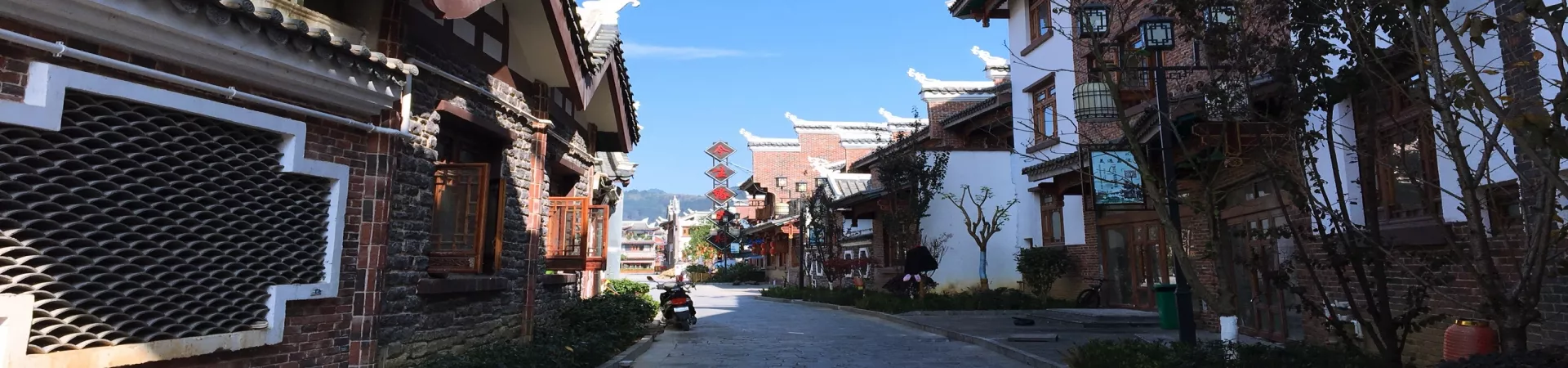
Subtitle: A Gateway to Guizhou's Cultural Heritage and Scenic Beauty
1. Introduction to Libo Ancient Town
Nestled in the southern part of Libo County, Qiannan Prefecture, Guizhou Province, Libo Ancient Town is not a centuries-old settlement but a meticulously crafted cultural and tourism complex. Situated at Shangcaiyuan, Nanmenba, Jianshe Village, Yuping Town, this expansive project spans approximately 1099 acres (about 73 hectares). With a total construction area of around 1,000,000 cubic meters and a massive investment exceeding 3.2 billion RMB, it was developed over six years across five phases. Designed as a comprehensive destination, it seamlessly integrates classical Chinese architecture, landscape gardening, and the vibrant cultural heritage of the local Bouyei, Shui, Yao, and Miao ethnic groups. The town masterfully combines tourism, leisure, commerce, sports, and residential living, offering a complete experience that covers all essential travel elements: dining, accommodation, transportation, sightseeing, shopping, and entertainment.
2. Architectural and Cultural Synthesis
2.1. A Tapestry of Classical Design and Ethnic Spirit The town's primary allure lies in its harmonious architectural synthesis. Walking its clean, stone-paved streets and winding lanes, visitors are transported by the elegant aesthetics of Ming and Qing dynasty-style buildings. These structures feature upturned eaves, intricate wooden carvings, grey bricks, and black tiles, creating a serene and picturesque atmosphere. However, this classical framework is vividly brought to life with the colors and motifs of Libo's indigenous cultures. Architectural details, wall paintings, and decorative elements often incorporate symbols, patterns, and themes from local ethnic traditions, serving as a constant, visual celebration of the region's identity.
2.2. Experiential Cultural Immersion Beyond static beauty, Libo Ancient Town is a dynamic hub for cultural preservation and performance. It functions as a living exhibition space where the intangible cultural heritage of Guizhou is actively showcased.
- Performance Arts: Visitors can regularly enjoy traditional song and dance performances. These might include the graceful dances of the Shui people, the melodious reed-pipe music of the Miao, or the poignant love songs of the Bouyei.
- Festivals and Activities: The town calendar is punctuated by cultural festivals and hands-on activities, especially during significant ethnic holidays. Travelers might witness or participate in traditional ceremonies, handicraft workshops (such as batik dyeing, embroidery, or silver jewelry making), or local culinary demonstrations.
- Museums and Exhibitions: Several small museums or exhibition halls within the town are dedicated to displaying ethnic costumes, historical artifacts, agricultural tools, and other items that narrate the story of the local communities and their deep connection to the surrounding natural landscape.
3. The Comprehensive Visitor Experience
3.1. Culinary and Commercial Hub The town is a paradise for food enthusiasts and shoppers. Its streets are lined with a diverse array of establishments.
- Dining: Options range from quaint tea houses and cozy cafes to bustling restaurants and vibrant food stalls. The culinary focus is on authentic Guizhou and Qiannan flavors. Must-try dishes include Suan Tang Yu (sour soup fish), various preparations of river fish, local cured meats, and Ci Ba (glutinous rice cakes). Ethnic-themed restaurants offer unique dining experiences in culturally rich settings.
- Shopping: Numerous shops sell local specialties and handicrafts. Ideal souvenirs include handmade ethnic textiles (like batik and embroidered cloth), silver ornaments, locally produced honey, chili sauces, and Yao herbal medicines. This commercial activity provides vital economic support to local artisans and keeps traditional crafts alive.
3.2. Leisure, Accommodation, and Recreation Designed for extended stays, the town offers more than just daytime exploration.
- Accommodation: A variety of lodging options are available, from boutique hotels replicating ancient courtyard homes (siheyuan) to comfortable, well-equipped inns. Staying overnight allows visitors to experience the town's tranquil ambiance after day-trippers have departed.
- Recreation: Visitors can stroll through the town's classical gardens, relax by ponds, or enjoy the scenic views from pavilions. The complex also includes facilities for sports and business conferences, making it a versatile destination for different types of travelers.
4. Practical Information for Travelers
4.1. Accessibility and Location Libo Ancient Town's location is strategically significant. It serves as the perfect cultural preface or relaxing epilogue to a visit to the region's natural crown jewel: the Libo Zhangjiang Scenic Area, a UNESCO World Natural Heritage site renowned for its spectacular karst forests, pristine rivers, and breathtaking waterfalls like the Huangguoshu-tierd Shuichun River. The town itself is easily accessible from the county seat, often a short taxi or bus ride away, making it a convenient base or stopover.
4.2. Essential Details * Admission: Entrance to the ancient town is free of charge. Some specific performances, museum exhibits, or activities may carry separate fees. * Opening Hours: The town is open to the public 24 hours a day, every day of the year. Note that while the streets and main areas are always accessible, operating hours for individual shops, restaurants, and museums will vary, typically from early morning until late evening. * Suggested Visit Duration: A thorough exploration requires 1 to 3 hours. To fully appreciate its charm, consider spending an evening dining there, attending a performance, or staying overnight. Allocating half a day provides a relaxed pace to enjoy its offerings. * Contact: For specific inquiries, especially regarding group visits or scheduled events, you can contact the management at 0854-3789888.
(Information last updated: January 13, 2023)