Daqikong Natural Bridge
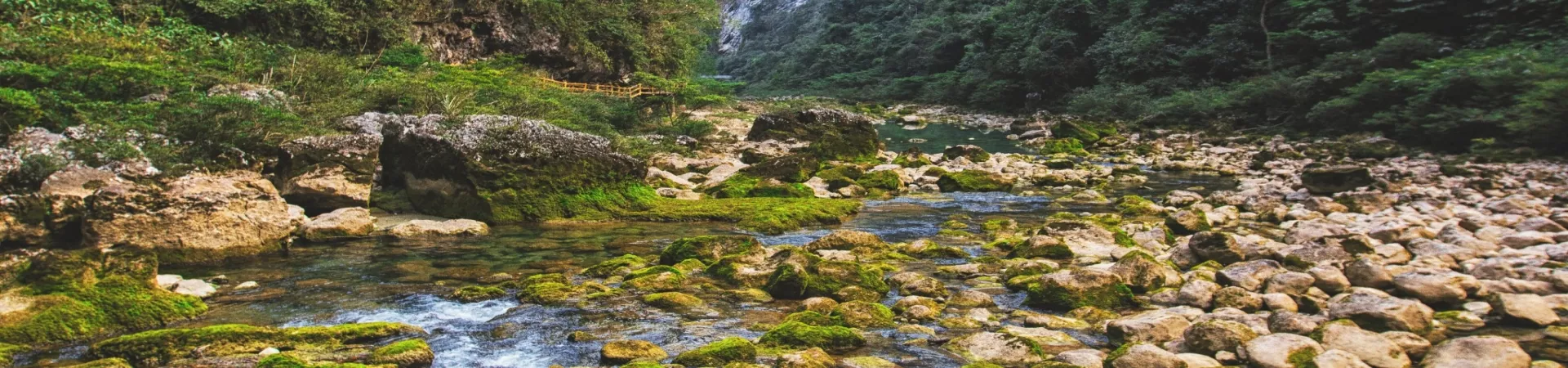
Subtitle: A Journey into the Heart of Guizhou's Karst Majesty: The Daqikong Natural Bridge
Introduction: The Grand Gateway to a Sublime Landscape
Nestled within the lush, subtropical expanse of the Libo Zhangjiang Scenic Area in southern Guizhou, the Daqikong Natural Bridge stands not merely as a sight to behold, but as a monumental gateway to an ancient world. This colossal karst formation is the centerpiece of the Daqikong section of the larger, UNESCO-listed South China Karst. More than just a geological wonder, it is a profound natural sculpture that evokes awe and humility, inviting visitors to step into a landscape shaped by the patient, relentless work of water over millions of years. Your visit here is a journey through time, where the roar of waterfalls and the serene flow of turquoise rivers narrate the earth's deep history.
1. The Geological Marvel: Anatomy of a Natural Masterpiece
1.1. Formation Through Millennia The Daqikong Natural Bridge is a textbook example of karst topography in its most dramatic form. It was born from the gradual dissolution of soluble limestone bedrock by slightly acidic rainwater and groundwater. Over eons, an underground river carved and expanded a vast cavern. Eventually, the ceiling of this cavern collapsed, leaving behind a majestic arch that the river now flows openly through. This process created what geologists term a "natural bridge" or "karst window," a testament to the dynamic, ever-changing nature of our planet.
1.2. Dimensions and Scale The sheer scale of the bridge is what truly takes one's breath away. Spanning approximately 70 meters in length and soaring to a height of nearly 80 meters, its arch creates a colossal frame for the sky. The width of the opening is about 20 meters, forming a grand, cathedral-like passage. Standing at its base, visitors are dwarfed by the immensity of the stone vault above, a feeling that powerfully connects them to the forces of nature.
2. The Immersive Experience: Navigating the Daqikong Scenery
2.1. The Approach and Key Vistas The journey to the bridge is an integral part of the experience. A well-maintained wooden boardwalk and path wind along the banks of the Zhangjiang River, itself a stunning ribbon of jade-green water. The approach is building a sense of anticipation.
- The Distant View: The first glimpse of the bridge from downstream is iconic. The perfect arch, draped with verdant foliage, stands as a grand proscenium framing the lush mountains and flowing water behind it. This is the perspective captured in countless photographs.
- The Passage Beneath: Walking directly under the bridge is transformative. The temperature drops, the acoustics change, and one is enveloped by the cool, moist air and the thunderous sound of the Daqikong Waterfall cascading down the cliff face beside the arch. This waterfall, plunging from the plateau above, adds a dynamic, powerful element to the serene beauty.
- The Upward Gaze: Looking up from within the arch, the perspective shifts to the intricate textures of the rock ceiling and the vibrant plant life clinging tenaciously to its seams, highlighting nature's resilience.
2.2. The Upper Reaches and Hidden Details For those seeking a broader panorama, paths lead to higher vantage points. From above, one can appreciate the full context of the bridge as a gaping chasm in the forested karst plateau. Keen observers will spot unique karst features like solution grooves, stalactites still forming on the undersides of rocks, and diverse micro-ecosystems in the shaded, humid environment around the bridge.
3. Ecological and Cultural Context
3.1. A Biodiverse Sanctuary The Daqikong Natural Bridge is not an isolated rock formation; it is the heart of a thriving ecosystem. The constant moisture and varied microhabitats support a rich biodiversity. The air is filled with the calls of birds, and the surrounding forests are home to numerous plant species, including ferns, mosses, and orchids that thrive in the humid environment. The clear, mineral-rich waters host unique aquatic life, making the area a significant ecological zone.
3.2. Human History in a Natural Cathedral While primarily a natural site, the region is steeped in the culture of the local Bouyei, Shui, and Miao ethnic groups. For centuries, these communities have lived in harmony with this dramatic landscape. The paths you walk may follow ancient trails, and the names of features often carry meanings from local dialects, linking the land to stories and traditions passed down through generations. The bridge itself, a formidable part of the local terrain, has long been a symbol of nature's enduring power in their folklore.
4. Practical Guide for the Visit
4.1. Optimal Timing and Access The best time to visit is from April to October, when water levels are robust, making the waterfalls and rivers most spectacular. The summer months offer lush greenery, though they coincide with the rainy season and peak tourist numbers. Spring and autumn provide pleasant temperatures and relatively clearer skies. Daqikong is typically accessed from the small town of Libo, which is connected by bus and train services from Guiyang, the provincial capital.
4.2. Navigating the Site and Key Tips The scenic area operates an efficient one-way walking loop. Visitors usually take a short boat ride or walk from the entrance along the river towards the bridge, then continue on foot to explore the upstream sights before looping back.
- Footwear and Clothing: Sturdy, non-slip walking shoes are essential, as paths and boardwalks can be wet. A light rain jacket is advisable due to the spray from the waterfall and unpredictable mountain weather.
- Photography Advice: For the best photos of the bridge, morning light is ideal. A wide-angle lens is necessary to capture its full grandeur from up close. Don’t forget to look for details—the water patterns, the textures of the rock, and the interplay of light and shadow.
- Combined Itinerary: Virtually all visitors combine a trip to Daqikong with an exploration of the neighboring Xiaoqikong (Small Seven Arches) scenic area. While Daqikong impresses with its monumental scale and power, Xiaoqikong charms with its delicate waterfalls, crystal-clear ponds, and serene ancient forests. Together, they offer a complete and contrasting experience of Guizhou's karst wonders.
The Daqikong Natural Bridge is more than a destination; it is an encounter with the sublime. It challenges our sense of scale and time, offering a palpable connection to the geological processes that continue to shape our world. A visit here is a memorable chapter in any journey through China's extraordinary natural heritage.