Puyang Wagong Mausoleum Shundi Palace Scenic Area
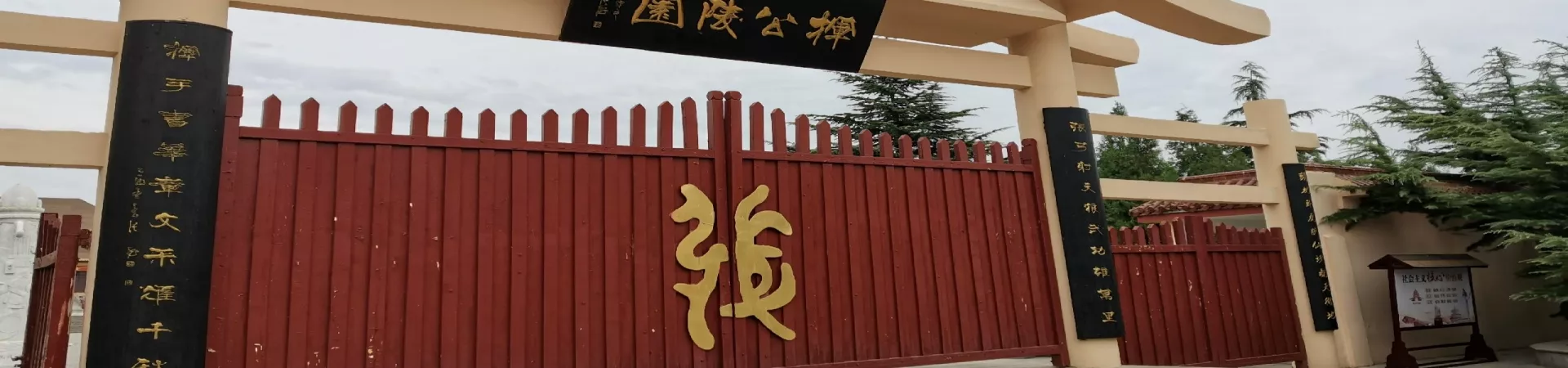
Subtitle: A Journey Through Ancient Legends and Cultural Roots
1. Introduction to Puyang Huigong Mausoleum and Shundi Palace Scenic Area
Nestled in the southeastern part of Puyang County, Henan Province, lies the Puyang Huigong Mausoleum and Shundi Palace Scenic Area, a cultural sanctuary dedicated to honoring the profound origins of Chinese civilization and the Zhang surname. This expansive park transcends the typical tourist destination; it is a living monument to ancestral reverence, historical legacy, and ecological harmony. Conceived from the collective will of the local community and funded through public donations and government support, the park was established to celebrate the legendary figure Zhang Hui (Huigong), revered as the progenitor of the Zhang clan. It masterfully integrates the solemnity of a root-seeking and worship site with the tranquility of a leisure park and the natural beauty of an ecological forest, offering visitors a multifaceted experience that connects the past with the present.
2. Historical Significance and Legendary Figures
2.1. Huigong: The Progenitor of the Zhang Surname The heart of the scenic area beats with the story of Huigong, a pivotal figure in Chinese mythology and history. Historical records, including ancient texts, identify him as the son of Qingyang and a direct grandson of the Yellow Emperor, placing him in the esteemed lineage of early Chinese rulers alongside Emperor Zhuanxu. Huigong’s claim to eternal fame and the origin of the Zhang surname stem from a groundbreaking invention: the bow and arrow. His ingenuity in creating these essential tools for hunting and defense was so monumental that he was honored with the surname "Zhang" (张), a character that evocatively suggests "drawing a bow" or "opening up a bowstring." Puyang is celebrated as the very land where Huigong grew up, lived, and received this illustrious name, making the location sacred for cultural and genealogical exploration.
2.2. Shundi Palace: Honoring the Sage-Emperor Shun Complementing the narrative of Huigong is the Shundi Palace, dedicated to Emperor Shun, one of the legendary Three Sovereigns and Five Emperors, renowned for his moral virtue and benevolent rule. His inclusion within the scenic area broadens its historical scope, representing the era of sage-kings who laid the ethical foundations of Chinese society. The palace serves as a place for reflection on the values of filial piety, humility, and virtuous governance that Emperor Shun embodies. Together, the tales of Huigong and Emperor Shun weave a rich tapestry of innovation, leadership, and cultural development, allowing visitors to walk through chapters of China’s foundational myths.
3. Visitor Experience and Park Features
3.1. Architectural and Cultural Layout The scenic area is thoughtfully designed to facilitate both education and contemplation. The Huigong Mausoleum itself stands as a dignified structure for ceremonial remembrance, where descendants of the Zhang clan and interested visitors can pay homage. The adjacent Shundi Palace, with its traditional architectural elements, provides insight into the reverence for ancient sage emperors. Throughout the park, steles, inscriptions, and cultural exhibits detail the histories of these figures and the broader context of Chinese surname culture, transforming the grounds into an open-air museum.
3.2. Leisure and Ecological Integration Beyond its historical core, the park is engineered for enjoyment and relaxation. Meandering pathways invite leisurely strolls through meticulously landscaped gardens and more natural wooded areas, fulfilling its role as an "ecological forest park." Quiet pavilions, scenic ponds, and shaded groves offer peaceful retreats for families and individuals alike. This seamless blend of cultural monuments with green spaces ensures the park is not solely a destination for historical inquiry but also a vibrant community space for recreation, meditation, and connecting with nature.
4. Practical Information for Visitors
4.1. Location and Transportation The scenic area is conveniently located in the southeast of Puyang County. Visitors can access it via local taxis, public buses, or private vehicles. While specific bus routes may change, transportation to this part of the city is generally straightforward, and the site is a recognized local landmark.
4.2. Admission and Operating Hours * Admission Fee: The entrance ticket is priced at 20 RMB per person. * Operating Hours: The park is open daily from 08:00 to 18:00. This schedule applies year-round, from January 1st to December 31st, including weekends and Mondays.
4.3. Contact Information For any inquiries regarding events, ceremonies, or general information, visitors can contact the scenic area administration at 0393-5358126.
In essence, the Puyang Huigong Mausoleum and Shundi Palace Scenic Area offers a unique portal into China’s ancient past. It is a place where the legendary invention of the bow meets the ideals of sage-kings, where the search for familial roots finds a physical home, and where all this heritage is enjoyed within the serene embrace of a beautiful park. It stands as a testament to Puyang’s deep historical identity and its commitment to preserving and sharing these cultural treasures with the world.