Pushui Town
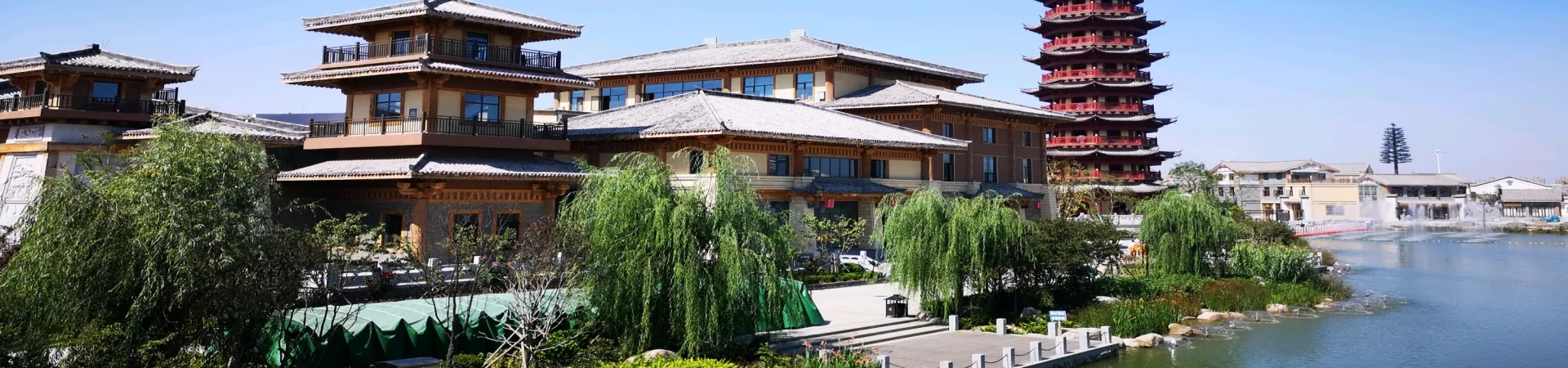
Subtitle: A Journey Through Time and Culture in Puyang's Riverside Gem
Introduction: The Allure of Puyang Water Town
Nestled along the serene banks of the ancient Puyang River in Henan Province, Puyang Water Town (濮水小镇) is not merely a tourist destination; it is a living, breathing portal into China's profound cultural heritage. This meticulously crafted town transcends the typical "ancient town" replica, offering visitors an immersive experience where the grandeur of the Han and Tang dynasties is resurrected in architectural splendor, and the timeless wisdom of Chinese philosophy permeates the very air. It is a place designed for the modern traveler seeking connection—connection to history, to art, to nature, and to the subtle rhythms of a more contemplative life. As you step through its gates, the noise of the contemporary world fades, replaced by the gentle flow of water, the elegance of classical pavilions, and a deep sense of historical continuity that makes Puyang Water Town a unique and essential stop in the heart of China.
The Historical and Cultural Tapestry
2.1. Architectural Symphony of Han and Tang The most immediate and striking feature of Puyang Water Town is its architectural homage to the Han (206 BCE – 220 CE) and Tang (618–907 CE) dynasties, periods often regarded as golden ages of Chinese civilization. The town's planners have eschewed generic "old-style" buildings in favor of academically informed reconstructions. Visitors wander past majestic city gates, expansive courtyards, and elegant palaces characterized by their sweeping, upward-curving roofs, intricate wooden bracketing systems (dougong), and a color palette dominated by vermilion, white, and dark grey. This architectural environment is not a static museum display but a dynamic stage. The layout, inspired by classical Chinese urban planning principles, guides guests through a narrative of space, from grand public squares to intimate, winding lanes, each turn offering a new, picturesque composition worthy of a classical painting.
2.2. The Living Legacy of Ancestral Culture Puyang Water Town is built upon the rich historical substrate of Puyang City, an area known as "the capital of emperors" and a crucial cradle of early Chinese culture. The town actively embodies this legacy. It serves as a cultural sanctuary dedicated to the veneration of ancestors and the celebration of foundational Chinese thinkers. Key sites within the town are dedicated to legendary figures from the region, such as Cangjie, the mythical inventor of Chinese characters, and Shun, one of the revered ancient sage-kings. This focus transforms a visit from simple sightseeing into a form of cultural pilgrimage. The environment encourages reflection on the sources of Chinese writing, ethics, and statecraft, providing a tangible link to the philosophical and spiritual roots that have shaped East Asia for millennia.
Immersive Experiences and Activities
3.1. A Stage for Performing Arts and Ritual Culture in Puyang Water Town is not confined to buildings; it is performed. The town is a vibrant hub for traditional and contemporary cultural expressions. Throughout the day, visitors may encounter street performances showcasing local folk arts, from traditional music to storytelling. The town's theaters and open-air stages host regular spectacles, including large-scale song-and-dance extravaganzas that dramatize historical legends and classical poetry with modern production techniques. Furthermore, the town periodically holds ceremonial events and festivals that re-enact ancient rites and seasonal celebrations. These performances are not mere shows for tourists; they are vibrant acts of cultural preservation and storytelling that animate the historical setting with emotion and movement.
3.2. Hands-On Cultural Engagement Beyond observation, the town encourages active participation. Various workshops and interactive spaces allow visitors to engage directly with traditional crafts. You might try your hand at woodblock printing, creating your own souvenir with centuries-old techniques, or participate in a short class on classical Chinese etiquette, tea ceremony, or calligraphy. These hands-on activities provide a deeper, more personal understanding of the skill and philosophy embedded within these arts. They offer a moment of quiet focus and creativity, allowing you to connect with the culture through action rather than just observation.
3.3. Culinary and Artisanal Journeys No cultural immersion is complete without engaging the senses of taste and touch. The town's commercial streets are a delight for explorers. Here, you can savor authentic local Huaiyang cuisine and Henan specialties, with restaurants and food stalls offering dishes from delicate steamed buns to flavorful braised meats. Meanwhile, boutique shops and market stalls display a range of artisanal products. Look for exquisite Ru porcelain (a famous style from Henan), delicate paper-cuttings, traditional textiles, and other handicrafts. These items serve as beautiful mementos, each carrying the imprint of regional artistic traditions.
Practical Information for the Visitor
4.1. Location and Accessibility Puyang Water Town is situated in the northern part of Puyang City, Henan Province. It is easily accessible by road. Visitors can fly into nearby cities like Zhengzhou or Jinan and take a high-speed train or bus to Puyang, followed by a short local taxi ride to the town entrance. The site is well-signposted, and ample parking is available for those driving.
4.2. Admission and Operating Hours The town operates on a ticketed entry system. It is highly recommended to check the official website or reliable travel platforms for the most current ticket prices and to purchase tickets in advance during peak holidays to avoid queues. The town welcomes visitors throughout the year with generous operating hours.
Opening Hours: All Day (Monday - Sunday, January 1 - December 31)
This "all day" policy offers exceptional flexibility. You can plan a morning visit to enjoy the soft light and quieter lanes, an afternoon exploration filled with activities and performances, or an evening stroll to see the town magically illuminated by lanterns and lights reflecting off the water, which presents an entirely different and equally enchanting atmosphere.
4.3. Suggested Itinerary and Tips To fully appreciate the town, allocate at least 4-6 hours. A suggested approach is to begin with the main central axis to visit the grand halls and cultural exhibitions, then meander through the secondary lanes for shopping and snacks. Be sure to check the daily performance schedule upon arrival to time your visit around key shows. Comfortable walking shoes are essential. While the main paths are well-paved, exploring every intriguing corner involves a fair amount of walking. For photography enthusiasts, the hours just after sunrise and before sunset provide the most flattering light for capturing the town's architectural beauty.