Pushangyuan
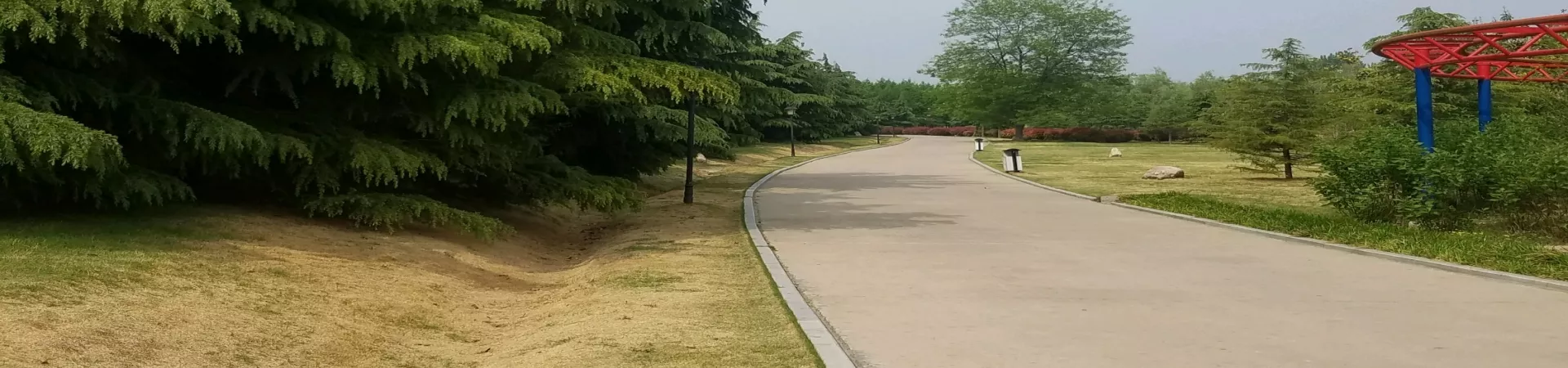
Subtitle: A Comprehensive Guide to Puyang's Green Oasis: Puyang Park
Introduction: A Vision of Ecological Harmony
Nestled in the city of Puyang, Henan Province, Puyang Park stands as a monumental testament to ecological tourism and thoughtful urban planning. As the second-phase expansion of the Central Plains Green Manor project, this vast suburban eco-resort represents a significant investment in sustainable leisure. Initiated on December 5, 2001, with a total investment of 320 million RMB, the park spans an impressive 310 hectares (4,650 acres). It masterfully integrates functions of ecological conservation, botanical display, recreational camping, and holiday entertainment into a single, cohesive destination. Designed as a retreat from urban life, it offers visitors a chance to immerse themselves in a meticulously crafted landscape where nature and artistry converge.
Section 1: The Architectural and Natural Framework
1.1. Expansive Water Systems: The Lifeline of the Park The soul of Puyang Ecological Park is its intricate and majestic water network. Centered around four principal lakes—Leize Lake, Xixiu Lake, Dongling Lake, and Yazhi Lake—the park's waterways cover over 600 acres. These lakes are interconnected by the historic flows of the Wei River, Chan River, Chunqiu River, and Fan River, creating a dynamic aquatic tapestry. This vast water system works in harmony with the park's topography, forming the backbone of the landscape and setting the stage for a scene of both gentle charm and grand spectacle.
1.2. Topography and Greenery: A Rolling Landscape Complementing the serene waters are the park's undulating landforms, most notably the Dragon Head Mountain (Longshou Shan) and Dragon Ridge (Longji Ling). These features add dramatic contours and vistas to the environment. Encircling the lakes and waterways, a thirty-kilometer-long "green jade belt" of willow trees frames the scenery, while a thousand-acre jubube forest adds a touch of rustic, ancient wildness. The park's commitment to biodiversity is showcased in its dozens of specialized botanical gardens, each dedicated to specific species. Visitors can wander through the Metasequoia Garden, Privet Garden, Cedar Garden, Ginkgo Garden, Cherry Blossom Garden, Lotus Garden, and Bamboo Garden, among over a hundred others. This careful curation ensures the park remains evergreen and fragrant with birdsong throughout all four seasons.
Section 2: Functional Zones and Visitor Experiences
2.1. Themed Areas for Diverse Interests Puyang Park is thoughtfully segmented into distinct functional zones, each catering to different aspects of a visitor's journey: * Puyang Scenery Area: Focuses on the cultural and aesthetic presentation of the local water-based landscape. * Ecological Breeding Area: Demonstrates sustainable agricultural and aquaculture practices within an ecological framework. * Forest Camping Area: Offers opportunities for wilderness stays and outdoor adventures amidst the woods. * Nursery Garden and Management Service Area: Supports the park's horticultural excellence and provides essential visitor services. * Holiday Villa Area: Supplies comfortable accommodation for those wishing to extend their stay in a tranquil, natural setting.
2.2. Artistic Integration: Sculptures in Dialogue with Nature Scattered thoughtfully throughout the grounds are vibrant sculptural installations that inject playfulness and cultural narrative into the natural beauty. Pieces such as "Giant Crocodile Playing in Water," "Elephant Guarding the Garden," "Tortoise and Clam Basking in the Sun," "Crab Crawling on the Beach," "Powerful Bull's Majestic Demeanor," "Flower Cow Nursing Its Calf," and "Mother Deer Loving Her Fawn" are more than mere decorations. They serve as whimsical focal points that highlight the park's inherent vitality and charm, creating moments of surprise and delight for explorers of all ages.
Section 3: Practical Information for Visitors
3.1. Admission Details Prospective visitors are advised to contact the park's management office directly for the most current and detailed information regarding ticket pricing, potential discounts for groups, students, or seniors, and any inclusive tour packages that may be available.
3.2. Operating Hours The park's opening hours vary seasonally to accommodate daylight patterns and ensure the best visitor experience: * Winter Season (December 1 to February 28): The park is open from 07:00 to 18:00 daily, with last admission at 18:00. * Summer Season (June 1 to August 31): Hours extend from 07:00 to 19:00 daily, with last admission at 19:00. Visitors planning their trips outside these specified summer and winter periods should verify hours for the shoulder seasons.
Section 4: The Immersive Ambiance
Stepping into Puyang Park is an exercise in sensory rejuvenation. It is a realm where one's gaze can stretch to the distant, expansive horizons or settle on the serene, graceful details nearby. The air is filled with the subtle melodies of nature, and the ever-present greenery crafts an atmosphere of profound peace. This carefully composed environment transcends being merely a collection of gardens and lakes; it is a living, breathing canvas—a poetic space where the grandeur of landscape painting meets the tangible, soothing reality of the natural world. It offers a unique escape, inviting guests to wander, contemplate, and reconnect with a harmonious blend of ecological ambition and artistic expression.