Yi Salad
Subtitle: A Journey into the Heart of China's Ancient Yi Culture
Introduction: The Gateway to the Southern Silk Road
Nestled amidst the rugged, sun-drenched landscapes of Panzhihua in Sichuan Province, the ancient village of Yishala stands as a living museum and a breathtaking testament to history. Far more than a simple collection of old houses, Yishala is a profound cultural encounter. It is revered as the largest Yi ethnic village in China and a historically pivotal pass on the ancient Southern Silk Road. For the discerning traveler, a visit here is not merely a stop on an itinerary but a step back in time into a world where distinctive architecture, deep-rooted traditions, and a unique ethnic identity have been preserved for centuries. The village offers an unparalleled opportunity to experience the rich heritage of the Yi people, set against a dramatic backdrop of terraced fields and crimson earth, making it an essential destination for those seeking authenticity and cultural depth in China.
1. The Historical and Cultural Tapestry of Yishala
1.1. A Crossroads of Civilizations: The Southern Silk Road Yishala’s significance is deeply intertwined with its geographical location. For over two millennia, it served as a crucial node on the Southern Silk Road, an alternative network to the northern routes that connected China to Southeast Asia and the Indian subcontinent. Caravans laden with silk, tea, salt, and other goods would traverse the challenging terrain, finding respite and trade in Yishala. This constant flow of people and ideas turned the village into a vibrant cultural melting pot, where Han Chinese influences met and blended with the indigenous Yi culture. This historical role as a crossroads is embedded in the very soil and stones of the village, explaining its unique architectural and social character.
1.2. Heart of the Yi Nation Beyond its mercantile history, Yishala is the spiritual and cultural heartland of the Yi people. The village is inhabited primarily by the Yi ethnic group, one of China's 56 officially recognized nationalities, known for their vibrant festivals, intricate embroidery, and ancient pictographic writing system. In Yishala, this culture is not performed for tourists; it is lived daily. Visitors may witness locals in traditional dress, hear the melodic sounds of the Yi language, and sense the community's strong connection to their ancestors and natural surroundings. The village layout, social structure, and annual rituals all reflect a matriarchal societal influence, adding another fascinating layer to its cultural complexity.
2. Architectural Splendor: A Village of Rammed Earth and Crimson Hues
2.1. The "Little Lijiang" with a Distinct Identity Yishala is often poetically called the "Little Lijiang of Sichuan" due to its compact, maze-like layout of winding lanes. However, its architecture is distinctly its own. The village is a masterpiece of rammed-earth construction, showcasing a harmonious blend of Yi and Ming-dynasty Han styles.
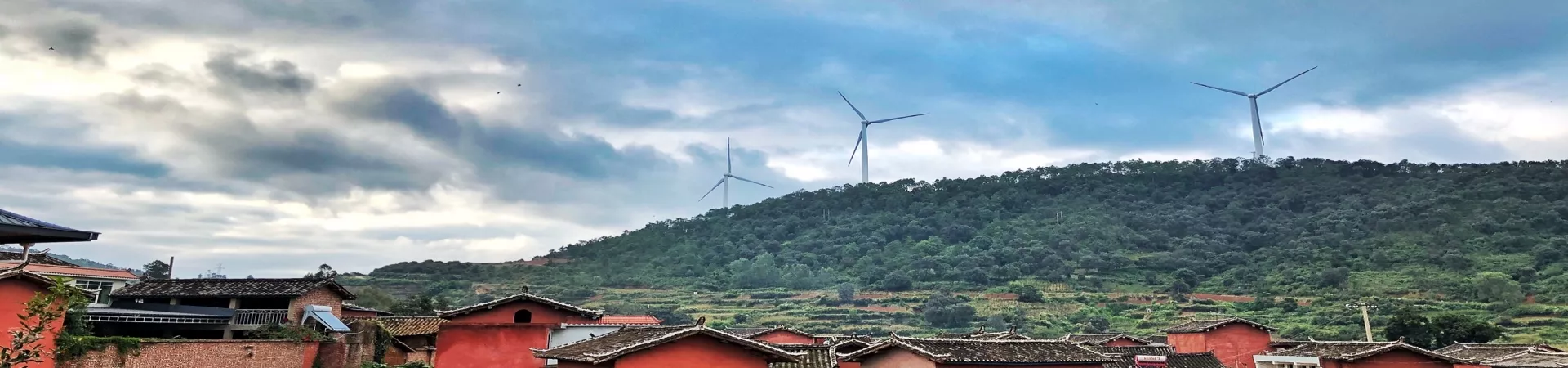
2.2. Characteristics of the Traditional Dwellings Walking through its narrow, cobbled streets, you are enveloped by the warm, reddish-brown tones of the earth walls. The dwellings are typically structured around serene, sun-drenched courtyards. Key architectural features include: * Rammed Earth Walls: Built using local red soil, these thick walls provide excellent insulation, keeping interiors cool in the fierce summer heat and warm during mild winters. * Intricate Wooden Beams and Doorways: Elaborately carved beams, lintels, and gateways display skilled craftsmanship, often featuring symbolic patterns from both Yi and Han cultures. * Blue Tile Roofs and Courtyards: The contrast of grey-blue tiled roofs against the red walls and the deep blue of the Panzhihua sky creates a photographer's paradise. Each courtyard offers a glimpse into peaceful, traditional home life.
3. Practical Information for Your Visit
3.1. Admission and Opening Hours One of the most appealing aspects of Yishala is its accessibility. The village is open to visitors free of charge, allowing for an unpressured and immersive exploration. It is open 24 hours a day, every day of the year. This "all day, every day" policy offers maximum flexibility for your trip to Panzhihua.
3.2. Recommended Duration of Visit To truly appreciate Yishala's charm, a visit of 1 to 3 hours is recommended. This allows sufficient time to: * Wander leisurely through the main labyrinth of streets and several courtyards. * Visit the small local museum to gain historical context. * Enjoy the panoramic views of the surrounding terraced mountainsides from higher points in the village. * Interact with local artisans or simply sit in a courtyard and absorb the tranquil atmosphere. For photography enthusiasts or those wishing to delve deeper into the culture, a longer stay towards the upper end of this range is advisable.
4. Immersive Experiences and Local Encounters
4.1. Engaging with the Community The true essence of Yishala lies in its people. While respectful observation is key, friendly interaction can be rewarding. You might encounter elderly residents weaving traditional textiles or see children playing in the alleys. Purchasing locally made handicrafts, such as embroidered cloth or silver jewelry, directly supports the community.
4.2. Seasonal Festivals and Events If your travel plans are flexible, consider aligning your visit with a Yi festival. The most spectacular is the Torch Festival, usually held in late July or August. During this time, the village comes alive with bullfights, wrestling matches, traditional dances, and nighttime celebrations where giant torches are lit to ward off evil spirits and pray for a good harvest. It is an unforgettable display of cultural vitality.
4.3. The Surrounding Landscape Do not miss the natural canvas upon which Yishala is set. The village is surrounded by meticulously crafted terraced fields, which change color with the seasons—from vibrant green to golden yellow. The contrast between the red earth, green vegetation, and blue sky is strikingly beautiful, especially during sunrise or sunset. A short hike to a vantage point outside the village offers a magnificent perspective of this human settlement in perfect harmony with its environment.