China's third - line construction of Panzhihua City Museum
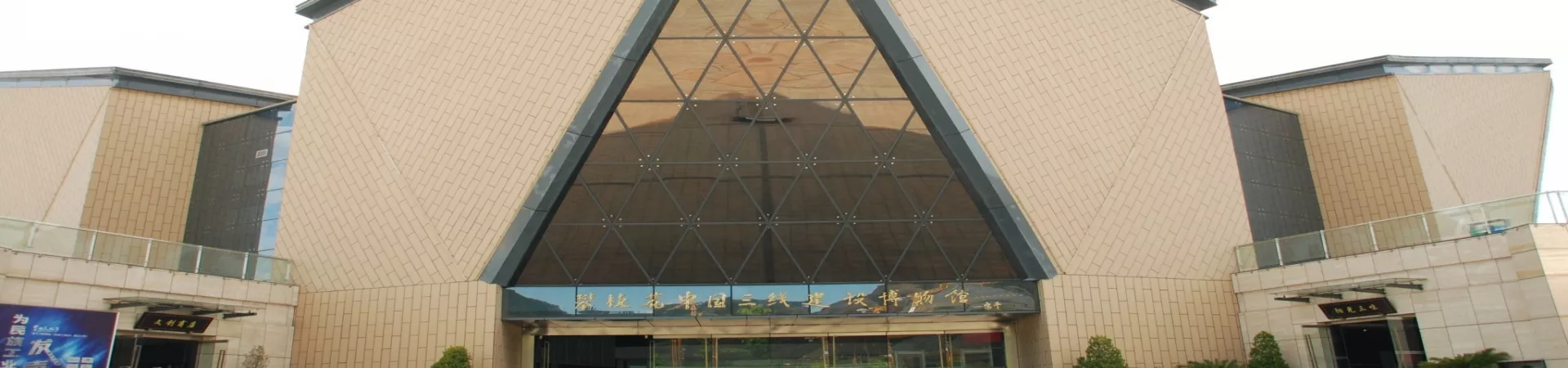
Subtitle: A Monument to Industrial Heritage and National Resilience
1. Introduction and Historical Context
Nestled within the Huacheng New District of Panzhihua, in the village of Ganbatang, stands a monumental tribute to a pivotal era in modern Chinese history: the Panzhihua China Third Front Construction Museum. This institution is far more than a repository of artifacts; it is a profound narrative space dedicated to preserving, interpreting, and honoring the immense "Third Front Construction" (Sanxian Jianshe) campaign of the mid-20th century. Initiated in the 1960s against a backdrop of complex international tensions, this vast national strategy involved the relocation and establishment of key industrial, military, and scientific facilities from vulnerable coastal regions to the mountainous interior of central and western China. Panzhihua itself is a quintessential product of this movement, transformed from a remote area into a major steel and industrial base. The museum, therefore, sits at the very heart of the story it tells, serving as the national-level museum specifically dedicated to this defining period.
2. Museum Overview: Scale and Significance
The museum's physical presence commands respect, reflecting the scale of the history it encompasses. It occupies a substantial site of 59 acres (approximately 39,333 square meters), with a total building area of 24,023 square meters. The significant investment of 340 million RMB underscores its national importance and the commitment to creating a world-class institution. The journey from concept to reality was a meticulous process. Preliminary work began in early 2010, followed by two years of careful site selection, academic research, and official project approval by 2012. Construction of the main structure commenced in February 2014 and was completed with remarkable speed by October of the same year, allowing for the simultaneous progression of interior exhibition installation, secondary construction, and external finishing.
3. Chronology of Development and National Recognition
The museum's timeline is intricately linked to major anniversaries, amplifying its symbolic weight. By February 2015, the core exhibition installation was largely finished, shifting focus to final preparations for opening. The doors officially opened to the public, free of charge, on March 3, 2015—a date deliberately chosen to coincide with the dual 50th anniversaries of the launch of the Third Front Construction strategy and the founding of Panzhihua city itself. This synchrony powerfully connected the museum's launch to the living memory and legacy it celebrates.
Accolades followed swiftly, affirming the museum's curatorial excellence. In October 2015, its exhibition was selected as one of only twelve national "Outstanding Thematic Exhibition Projects" for 2016 by the National Cultural Heritage Administration, recognized for its role in "Promoting Excellent Traditional Culture and Cultivating Socialist Core Values." The ultimate endorsement came on April 11, 2016, when the State Council officially approved its formal naming as the "Panzhihua China Third Front Construction Museum," solidifying its status as the preeminent national institution on this subject.
4. Practical Visitor Information
4.1. Location and Accessibility The museum is located at Ganbatang Village, Huacheng New District, Panzhihua. Its design and setting in the new district make it a prominent cultural landmark, accessible by local public transportation and taxi services.
4.2. Admission Details Admission to the museum is completely free of charge. Visitors are required to present a valid personal identification document (such as an ID card or passport) at the ticket counter to obtain an entry ticket.
4.3. Operating Hours The museum is open to the public from Tuesday to Sunday throughout the year. Operating hours are from 09:00 to 16:00, with the last admission permitted at 15:00. The museum is closed to the public on Mondays for routine maintenance.
4.4. Suggested Visit Duration To fully appreciate the extensive collections, detailed narratives, and immersive exhibits, a visit of approximately 1 to 3 hours is recommended. This allows sufficient time to engage with the multifaceted story of the Third Front, from its strategic origins and monumental engineering feats to the personal sacrifices and daily lives of the millions of workers, engineers, and families who participated in this great endeavor.
5. The Exhibition Experience: A Journey into the Past
Stepping inside, visitors embark on a chronological and thematic journey. The exhibitions utilize a diverse array of media, including historical documents, photographs, machinery, tools, personal effects, and large-scale reconstructions. The narrative is structured to guide visitors from the geopolitical context that prompted the Third Front decision, through the staggering logistics of the relocation and construction phases, and into the social and human dimensions of life in these new industrial communities. Displays on the development of Panzhihua's steel industry form a central pillar, illustrating the tangible outcomes of the campaign. The museum does not shy away from depicting the extreme hardships faced—the rugged terrain, primitive living conditions, and immense physical labor—while simultaneously celebrating the spirit of self-reliance, collectivism, and patriotic dedication that defined the era. It serves as a poignant memorial to a generation's resilience and a critical resource for understanding the foundations of China's contemporary industrial landscape and regional development.