Panzhihua Flower Dance on Earth
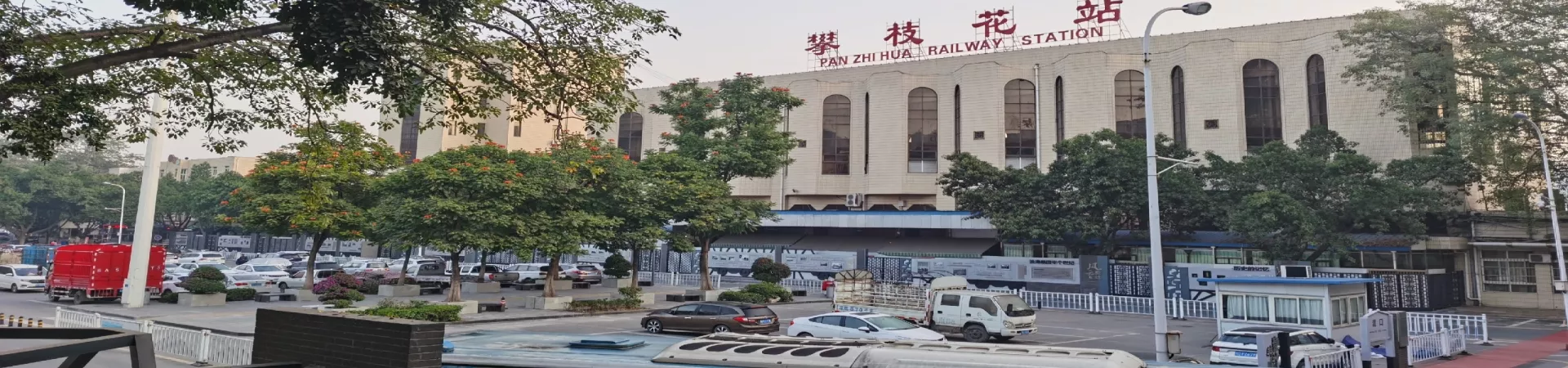
Panzhihua: Where Flowers Dance and Humanity Thrives – A Traveler's Guide to "Flower Dance Human World"
Nestled in the sun-drenched valleys of southern Sichuan Province, where the Jinsha River carves its path, lies Panzhihua – a city that defies simple categorization. Often hailed as the "Capital of Steel" for its industrial might, it harbors a softer, more vibrant soul, perfectly embodied in the Panzhihua Flower Dance Human World (攀枝花花舞人间). This is not merely a scenic spot; it is a living testament to the city's remarkable transformation and its deep, symbiotic relationship with nature, offering a unique blend of ecological wonder, cultural warmth, and visual spectacle.
The Essence of "Flower Dance Human World"
The name itself is poetic and revealing. "Flower Dance" speaks to the breathtaking, almost choreographed beauty of its floral landscapes, where blooms appear to sway in unison with the mountain breezes. "Human World" grounds this beauty in community and vitality, reflecting Panzhihua's spirit. This destination is the culmination of decades of dedicated ecological restoration. Once dominated by mining and industry, the city embarked on an ambitious greening project, turning marginal land into a flourishing oasis. The area showcases this triumph, presenting a model of sustainable development where human endeavor and natural splendor coexist in harmony.
A Floral Spectacle Through the Seasons
The core experience here is a dynamic, ever-changing tapestry of color and fragrance. The landscape is designed to offer a continuous floral performance throughout the year.
2.1. The Iconic Panzhihua Kapok (Bombax ceiba)
No visit is complete without witnessing the city's emblematic flower. From February to April, the majestic Kapok trees (also known as Silk Cotton trees) erupt in a stunning display of fiery red or vibrant orange blossoms. These large, cup-shaped flowers cling to bare branches, creating a striking contrast against the clear blue sky—a powerful symbol of resilience and passionate beauty.
2.2. A Year-Round Botanical Parade
Beyond the Kapok, the gardens are a horticultural masterpiece: * Spring brings delicate cherry blossoms, fragrant orchids, and fields of tulips and cannas. * Summer sees the arrival of hydrangeas in massive, colorful clusters, alongside lotus flowers gracing water features and cheerful sunflowers. * Autumn is painted with the golden hues of osmanthus fragrance and the persistent blooms of seasonal chrysanthemums. * Winter, mild and sunny in Panzhihua, is brightened by camellias, poinsettias, and various winter-blooming species, ensuring the "dance" never truly stops.
Immersive Experiences and Amenities
The site is meticulously planned for exploration and relaxation. Well-maintained walking paths and viewing platforms wind through the floral zones, allowing for intimate encounters with the blooms. Themed gardens, such as rose gardens, succulent collections, or medicinal herb plots, add layers of interest. For families, open lawns provide perfect picnic spots, while small cafes or kiosks offer local snacks and beverages. The integration of art is subtle yet effective—perhaps a sculpture nestled among flowers or a tastefully designed pavilion overlooking a vista—enhancing the aesthetic pleasure without overpowering the natural setting.
Practical Information for Your Visit
To ensure a seamless experience, here are the essential details for planning your trip.
4.1. Admission and Operating Hours
One of the most appealing aspects is its accessibility. The Panzhihua Flower Dance Human World is open to the public free of charge. This policy underscores the city's commitment to sharing its green transformation with everyone. It is open daily from 9:00 AM to 5:00 PM. The last admission is at 5:00 PM, with the site closing thereafter. These hours are consistent throughout the year, from January 1st to December 31st.
4.2. Best Time to Visit and Travel Tips
While the floral displays offer something in every season, the peak period is undoubtedly late winter to spring (February to April), when the Kapok is in full, glorious bloom, and the spring flowers begin their show. Mornings or late afternoons provide the best light for photography and a more tranquil atmosphere. Given Panzhihua's location, the sun can be strong; visitors are advised to bring sunscreen, a hat, and sufficient water. Comfortable walking shoes are a must for exploring the gentle slopes and pathways.
4.3. Getting There and Contact Information
The site is located within easy reach of Panzhihua's urban area. Visitors can take a local taxi or use ride-hailing services for a direct route. Public buses also service routes that stop near the vicinity; checking with local transit for the most current route to "花舞人间" (Huā Wǔ Rén Jiān) is recommended. For any specific inquiries prior to your visit, you can contact the management at 028-82599989.
The Bigger Picture: Panzhihua Awaits
A visit to the Flower Dance Human World is the perfect introduction to Panzhihua's dual identity. It provides context to the city itself—a place where the vigor of industry has been gracefully balanced with a profound respect for the environment. After immersing yourself in the floral beauty, consider extending your journey to explore the majestic Jinsha River, delve into the unique Yi ethnic minority culture, or simply enjoy the city's renowned, sun-ripened tropical fruits. In Panzhihua, the dance of flowers is intimately connected to the rhythm of life, inviting every traveler to step into a world where nature and humanity have learned to waltz together in perfect harmony.