XIANGSHAN GLOBAL STUDIOS
Subtitle: A Cinematic Journey Through Time: Your Practical Guide to Xiangshan Film Studio
Introduction: Where Nature Meets Narrative
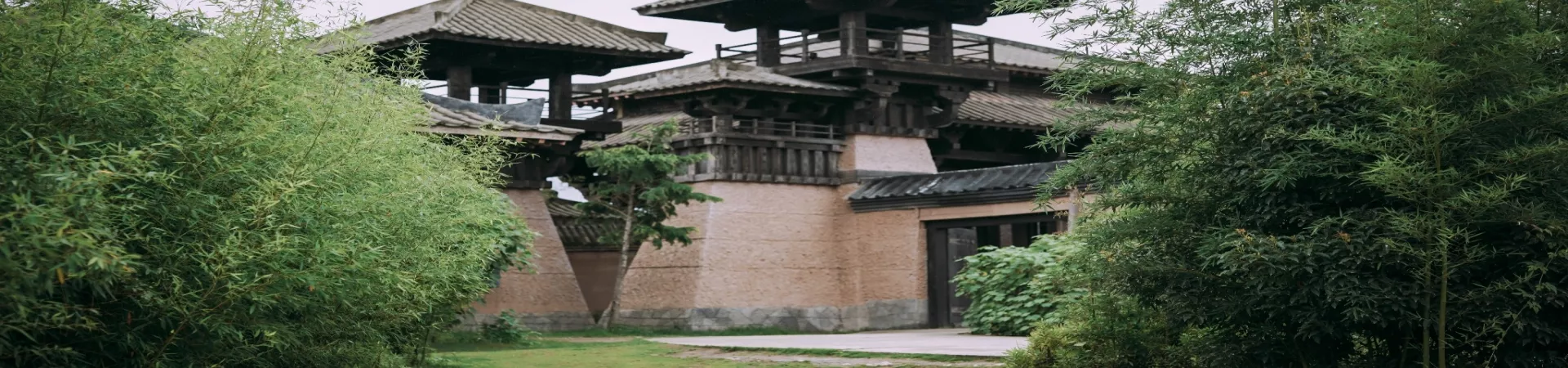
Nestled within the picturesque Datanggang Ecological Tourism Zone of Xiangshan County, Zhejiang Province, the Xiangshan Film Studio offers an escape not just into the world of cinema, but into the very fabric of Chinese history and landscape. Its masterful design utilizes the stunning natural backdrop of Lingyan Mountain, seamlessly integrating local geographical features—rolling hills, rugged rock formations, serene caves, tranquil waters, and lush forests—into its architectural tapestry. This harmonious blend creates an authentic and immersive environment, making it a premier destination for both film production and cultural tourism. More than just a collection of sets, it is a living, breathing portal through which visitors can traverse millennia of Chinese history in a single day.
Exploring the Studio's Thematic Zones
The vast complex is systematically divided into five distinct thematic areas, each offering a unique glimpse into different aspects of historical and cinematic life.
2.1. The Main Gate Plaza Area This grand entrance sets the stage for your journey. Often bustling with activity, the plaza is designed to evoke the imposing gates of ancient Chinese cities, immediately transporting visitors from the modern world into a historical realm. It serves as the central hub from which the other zones radiate.
2.2. The Village Street and Workshop District Step into the daily life of ancient townsfolk. This area features meticulously recreated rustic villages, bustling market streets, and traditional workshops. Here, you can witness demonstrations of age-old crafts, from blacksmithing and weaving to pottery, and imagine the vibrant commerce and community spirit of eras past. The authentic storefronts and residential buildings provide a tangible sense of historical livelihood.
2.3. The Tomb, Mansion, and Cave District This zone delves into the mystical and dramatic. It encompasses elaborate ancient tombs shrouded in mystery, stately official mansions and courtyards that speak of power and intrigue, and natural and man-made caves that have served as settings for countless tales of adventure and secrecy. The interplay of light and shadow within these structures creates a palpable atmosphere, perfect for the martial arts and fantasy sequences the studio is famous for.
2.4. The Manor, Lake, and Pond District Offering a contrast to the bustling streets and dramatic caves, this area embodies classical Chinese elegance and tranquility. Serene manors with beautiful gardens, peaceful lakes, and graceful bridges reflect the poetic aesthetics of scholars and nobility. The reflective waters and carefully landscaped flora provide a picturesque setting often used for romantic scenes, philosophical dialogues, and moments of repose in film and television.
2.5. The Shop, Town, and Residence District This expansive zone replicates the urban centers of various dynasties. It includes robust city walls, imposing gate towers, bustling commercial streets lined with shops and teahouses, and a variety of residential architectures from different social classes. From the grandeur of a imperial palace complex to the simplicity of a commoner's home, this district showcases the full social spectrum and architectural diversity of historical China.
A Living Film Set: Cinematic Legacy and Versatility
The studio's primary claim to fame is its extraordinary versatility. Its extensive collection of authentic and detailed architectural sets covers a sweeping timeline, allowing directors to shoot stories from the Spring and Autumn, Qin, and Han dynasties, through the Tang and Song golden ages, right up to the Ming and Qing eras, all within one location. This "one-stop" capability has made it an indispensable hub for Chinese historical filmmaking.
Its credibility is cemented by the prestigious productions filmed within its walls. The studio has hosted major television series and films, most notably adaptations of Jin Yong's wuxia classics like "The Return of the Condor Heroes" and "Sword Stained with Royal Blood," as well as popular historical dramas such as "Young Warriors of the Yang Family" and "The Legend of Nezha." Walking through the studio, visitors can literally follow in the footsteps of these iconic characters, recognizing courtyards where fateful duels occurred, streets where heroes met, and lakesides where love stories unfolded.
Essential Visitor Information
3.1. Tickets and Opening Hours * General Admission: 150 RMB. * Concession Tickets (75 RMB): Applicable to children with a height between 1.2 meters (inclusive) and 1.5 meters, and seniors aged 60 (inclusive) to 70 with valid ID. * Free Admission: Granted to children under 1.2 meters, seniors aged 70 and above, individuals with disabilities, active military personnel, registered tour guides, journalists, members of the China Photographers Association, and local residents holding a Zhejiang Province Honorary Blood Donation Certificate. Valid identification is required. * Note: Prices are for reference. Please confirm the latest rates on the official website or at the ticket office on the day of your visit. * Operating Hours: * Winter Hours (Dec 1 - Feb 28): 8:30 - 16:00 (last entry at 15:30). * Summer Hours (Jun 1 - Aug 31): 8:30 - 16:00 (last entry at 15:30). * Hours for spring and autumn (Mar 1 - May 31, Sep 1 - Nov 30) typically follow a similar pattern; it is advisable to verify in advance.
3.2. Getting There: Transportation Guide Reaching the studio requires some planning, as it is located outside central urban areas. * By Train: Arrive at Ningbo Railway Station. From the adjacent Ningbo Long-distance Bus Station, take a direct bus to Xiangshan County (Dancheng). At Dancheng, transfer to the local passenger shuttle bus specifically bound for Xiangshan Film Studio. * By Air: Land at Ningbo Lishe International Airport. Take Metro Line 2 to Ningbo Railway Station. Then, follow the "By Train" instructions above (bus to Xiangshan, then local shuttle). * By Long-Distance Bus: Major cities in the Yangtze River Delta region have direct coaches to Ningbo or Xiangshan. If your bus terminates at Xiangshan Passenger Transport Center, transfer there to the Dancheng-Film Studio shuttle bus.
3.3. Suggested Visit Duration A full day (approximately 6-8 hours) is highly recommended to thoroughly explore all five thematic zones at a comfortable pace, enjoy potential live performances or demonstrations, and fully immerse yourself in the cinematic atmosphere without feeling rushed.