Tianyi Pavilion Museum
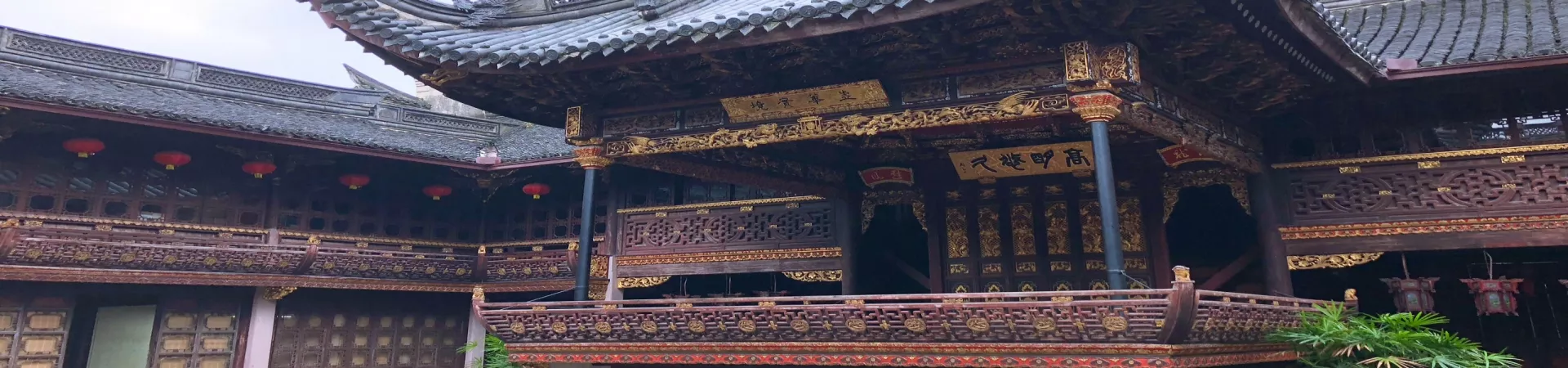
Subtitle: A Journey Through Time Amongst Ancient Books and Architectural Splendor
1. An Introduction to Tianyi Pavilion Museum
Nestled in the heart of Ningbo, Zhejiang Province, the Tianyi Pavilion Museum stands as a monumental testament to China's scholarly and bibliophilic traditions. It holds the distinguished title of being the oldest surviving private library in China, one of the three earliest family libraries in the world, and the most ancient library still in existence in Asia. This is not merely a museum; it is a sanctuary of knowledge, a masterpiece of Ming Dynasty architecture, and a cultural landmark that has preserved the soul of Chinese literary heritage for over four centuries.
2. Historical Legacy and Architectural Grandeur
2.1 The Vision of Fan Qin The library's story begins in the mid-16th century, during the Ming Dynasty. It was founded by Fan Qin, a retired Imperial Minister of War. After a distinguished career in the imperial bureaucracy, Fan Qin dedicated his retirement to his lifelong passion: collecting books. He and his descendants traversed the country, diligently gathering a vast and precious collection of ancient manuscripts, local gazetteers, imperial examination papers, and literary works. The primary purpose of the Tianyi Pavilion was to safeguard this irreplaceable cultural treasure for his descendants, adhering to the strict family rule that "books should not be taken out of the pavilion."
2.2 An Architectural Masterpiece The Tianyi Pavilion complex is a pinnacle of traditional Ningbo residential architecture and a harmonious fusion of exquisite Chinese craftsmanship. Designed with both practicality and philosophical ideals in mind, its layout and construction reflect a deep understanding of preservation. The name "Tianyi" (Heaven One) itself is derived from a phrase in the Book of Changes referring to the element of water, which was believed to protect the wooden structures from fire—the greatest threat to any library.
Every detail of the pavilion showcases the zenith of Ming and Qing dynasty artisan skills. Visitors can admire the intricate beauty of wood carvings on beams and brackets, the symbolic narratives etched into brick and stone carvings, the elegant application of gilt decoration, and the sophisticated traditional masonry and plasterwork (kaozuo). The complex, with its serene gardens, reflective ponds, and gracefully arranged pavilions, halls, and rockeries, embodies the classical Chinese ideal of a scholarly retreat—a place for contemplation, study, and harmony with nature.
3. Collections and the Unique Mahjong Museum
3.1 The Heart of the Collection While the core library building itself, which houses the rarest volumes, has limited public access to ensure preservation, several exhibition halls within the museum complex are dedicated to showcasing the history and breadth of the Fan family collection. These exhibits offer glimpses into the world of ancient Chinese book collecting, printing, and binding. They tell the story of a family's unwavering commitment to preserving knowledge through dynastic changes and the passage of time.
3.2 The Mahjong Museum: An Unexpected Delight Adding a layer of cultural charm and light-hearted intrigue, the Tianyi Pavilion complex is also home to a fascinating Mahjong Museum. This exhibit highlights Ningbo's claim as one of the potential birthplaces of the iconic game of Mahjong. The museum displays an extensive collection of Mahjong sets from different eras and regions, including antique sets made from materials like ivory, bone, bamboo, and jade. It explores the history, cultural significance, and artistry of the game. This unique museum has become a highly popular spot for visitors, offering a delightful and photogenic contrast to the solemnity of the ancient library.
4. Practical Visitor Information
4.1 Location and Transportation The Tianyi Pavilion Museum is conveniently located in downtown Ningbo. The most straightforward way to reach it is by public bus. Visitors can take bus routes 9, 26, or 371 and alight at the "Tianyi Pavilion · Yuehu Scenic Area" bus stop. From there, it is only a short walk of approximately 150 meters to the museum entrance.
4.2 Ticket Information The museum operates a tiered ticketing system: * General Admission: 30 RMB for adults. * Concession Tickets (15 RMB): Applicable to full-time undergraduate students and below (with valid student ID), and seniors aged 60 to 69 (with valid ID). * Free Admission: Granted to seniors aged 70 and above (with valid ID), individuals with disabilities (with disability certificate), active military personnel and veterans with relevant certificates, retired veteran cadres, and minors under 18 accompanied by a paying adult.
Important Note: All certificates presented for concession or free tickets must be valid, unaltered, and contain clear identification information. Student cards must feature a photo and official registration stamps.
4.3 Opening Hours Opening hours vary by season: * May 1 to October 31: * Tuesday to Sunday: 8:30 - 17:30 (last entry at 17:00). * Monday: 13:30 - 17:00 (last entry at 17:00). * November 1 to April 30 of the following year: * Tuesday to Sunday: 8:30 - 17:00 (last entry at 16:30). * Monday: Closed for the full day.
4.4 Suggested Visit Duration To fully appreciate the architectural details, explore the exhibition halls, stroll through the classical gardens, and visit the Mahjong Museum, a visit of approximately 1 to 3 hours is recommended.
4.5 Contact For any inquiries, visitors can contact the museum at 0574-87293856.