ningbo museum
A Visitor's Guide to Ningbo Museum: Where Architecture Meets History
Ningbo Museum is not merely a repository of artifacts; it is a profound statement in itself, a place where the vessel of history is as compelling as the narratives it holds. For any traveler seeking to understand the soul of Ningbo, a city seamlessly blending its deep-rooted past with a dynamic present, this museum is an indispensable destination. Its very fabric tells a story, making a visit here a multi-layered experience of architectural wonder and historical immersion.
An Architectural Marvel: The Museum as Exhibit
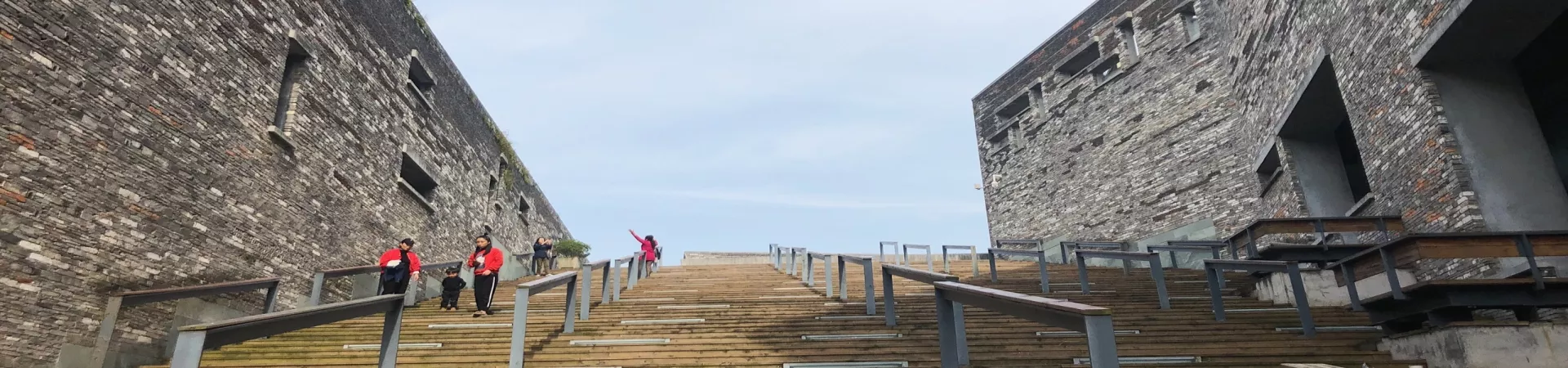
Before even stepping inside, visitors are greeted by the museum's most striking feature: its building. Designed by the acclaimed architect Wang Shu, the first Chinese citizen to win the Pritzker Architecture Prize, the structure is a masterpiece of contemporary design deeply respectful of local tradition. Its imposing form, constructed with concrete and clad in a patchwork of recycled grey bricks salvaged from the city's demolished traditional houses, is instantly captivating. This innovative reuse of materials is not just an aesthetic choice but a philosophical one, physically weaving the city's old urban texture into its new cultural landmark. The walls, with their textured, irregular surfaces, evoke the feel of ancient, weathered cliffs or a giant, abstract ink-wash painting. This architectural approach transforms the museum into its own primary exhibit, a powerful symbol of Ningbo's spirit of preserving memory while forging ahead.
Planning Your Visit: Practical Information
- Location: The museum is situated in the Yinzhou District, a key cultural hub of the city.
- Opening Hours: The museum is open from 9:00 AM to 5:00 PM, with last admission at 4:00 PM. It is closed on Mondays (except for public holidays that fall on a Monday, in which case it will be closed the following Tuesday). It is advisable to check for any special announcements before your visit.
- Admission: General admission to the museum is free of charge. This includes access to the permanent exhibition galleries on the second and third floors.
- Ticketing Note: Special temporary exhibitions held on the first floor may occasionally require a separate admission ticket. Information about such exhibitions and their ticketing is always available at the museum entrance and on its official website.
- Suggested Duration: To fully appreciate the architecture and the extensive collections, a visit of 1 to 3 hours is recommended.
- Transportation: The museum is easily accessible by public bus. Several bus lines, including 107, 126, 129, and 160, stop at the "Ningbo Museum" station. From there, it is a short walk to the entrance.
Navigating the Collections: A Floor-by-Floor Guide
The museum's exhibitions are thoughtfully distributed across three main floors, each offering a distinct perspective on Ningbo's heritage.
First Floor: Gateway to Special Exhibitions This space is dedicated to temporary and special exhibitions. These rotating displays often feature high-profile national or international themes, specific artistic movements, or in-depth explorations of particular archaeological discoveries. They provide a fresh and dynamic reason for repeat visits. As noted, some of these special exhibitions may require an additional ticket.
Second Floor: The Heart of Ningbo's Narrative The journey into Ningbo's core history begins here with the flagship permanent exhibition, "Oriental 'Sacred Boat' — The History of Ningbo." This is the museum's centerpiece and a must-see for any first-time visitor.
- The Theme of the "Sacred Boat": The title metaphorically links Ningbo's historical identity to a sturdy vessel navigating the tides of time. It highlights the city's millennia-old relationship with water, from its origins as a fishing settlement to its glory days as a pivotal hub on the Maritime Silk Road.
- Chronological Journey: The exhibition unfolds in a logical chronological sequence, from the Neolithic Hemudu Culture (famous for its early rice cultivation and stilt houses) through the ancient Yue state, the Tang and Song dynasties' maritime boom, to the Ming and Qing periods, and into the modern era.
- Key Artifacts: Visitors can expect to see a rich array of artifacts, including exquisite Yue kiln celadon porcelain, which was a major export commodity; historical documents and maps related to maritime trade; and models of traditional Chinese sailing ships (junks). The display powerfully illustrates how Ningbo's port facilitated cultural and economic exchanges across Asia and beyond.
Third Floor: The Texture of Everyday Life While the second floor presents the grand sweep of history, the third floor offers an intimate, vivid look at the social and cultural fabric of Ningbo through two thematic exhibitions.
- Bamboo Carving Art Exhibition: This gallery showcases the refined artistry of Ningbo's bamboo carving tradition. Delicate brush pots, incense holders, and figurines demonstrate the incredible skill of local artisans, turning a humble material into objects of great beauty and intellectual pursuit, often favored by scholars of the past.
- "Our Old Ningbo" Folk Customs Exhibition: Arguably the most engaging and atmospheric part of the museum, this exhibition brings history to life. It goes beyond glass cases to create immersive environments. Visitors can stroll through recreated old Ningbo streets and alleyways, complete with period-appropriate shop fronts, household interiors, and workshops. The sights and sounds (via audio installations) transport you back to the late 19th and early 20th centuries. Displays detail local traditions, festivals, wedding ceremonies, and daily routines, using lifelike dioramas and authentic everyday objects. The word "阿拉" (Ala) in the title is a familiar Ningbo dialect term for "we" or "our," emphasizing the personal and communal nature of this heritage.
Making the Most of Your Experience
To fully engage with the Ningbo Museum, consider its architecture as the first chapter of the story. Take time to walk around the exterior and appreciate the play of light and shadow on its brick walls. Inside, allow the "Oriental 'Sacred Boat'" exhibition to provide the historical framework, and then let the folk customs exhibition fill that framework with color, sound, and human detail. The museum successfully bridges the gap between monumental history and personal memory, offering a comprehensive and deeply resonant portrait of a city built at the crossroads of land and sea.