Hemudu site
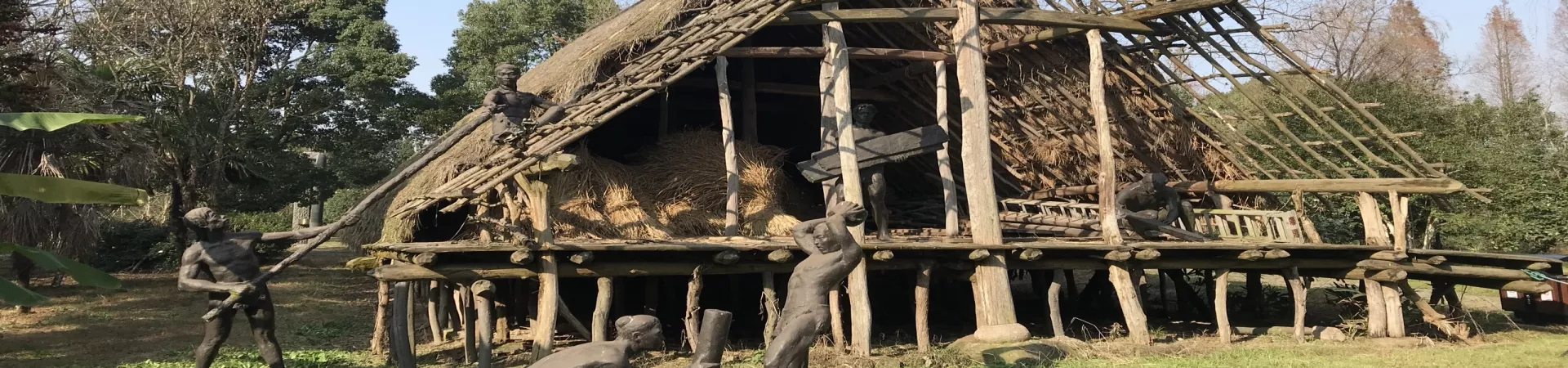
Subtitle: A Journey to the Dawn of Chinese Civilization: Exploring the Hemudu Site
1. Introduction: A Portal to Prehistory
Nestled in the fertile plains of Yuyao, near the modern city of Ningbo in Zhejiang Province, lies a window into a profoundly distant past. The Hemudu Site, a cornerstone of Chinese archaeology, is not merely a collection of ancient relics but a vibrant testament to a sophisticated Neolithic culture that flourished over seven millennia ago. Discovered in 1973 and subsequently excavated, this site stands as one of the earliest and most significant cradles of Neolithic civilization ever uncovered in China. A visit here is more than a simple tourist excursion; it is a pilgrimage to the very roots of settled life, agriculture, and craftsmanship in East Asia, offering an unparalleled, tangible connection to our shared human heritage.
2. Unveiling the Layers of Time: Archaeological Significance
The profound importance of Hemudu is best understood through its stratigraphy. The site is meticulously divided into four distinct cultural layers, each representing a consecutive chapter in the life of this ancient community. These layers serve as a chronological timeline, allowing archaeologists and visitors alike to trace the evolution of technology, art, and daily life across two thousand years.
- 2.1. The Fourth Cultural Layer (c. 7000 – 6500 years ago): The deepest and oldest layer represents the dawn of the Hemudu culture. Findings from this stratum reveal the initial establishment of the settlement, showcasing early forms of the distinctive stilt-house (pile-dwelling) architecture adapted to the humid, wetland environment.
- 2.2. The Third Cultural Layer (c. 6500 – 6000 years ago): This period demonstrates significant development. Evidence points to advances in tool-making, the refinement of agricultural practices, and the proliferation of bone and wooden artifacts.
- 2.3. The Second Cultural Layer (c. 6000 – 5500 years ago): The culture reaches a notable level of sophistication. Craftsmanship in pottery, lacquerware, and jade becomes more elaborate, indicating social development and aesthetic expression.
- 2.4. The First Cultural Layer (c. 5500 – 5000 years ago): The most recent Neolithic layer shows a mature and thriving society before the site's eventual abandonment. Artifacts from this era display a high degree of skill and complexity, marking the zenith of Hemudu culture.
This stratified sequence provides an exceptionally clear and continuous record of cultural development, making Hemudu an indispensable reference point for understanding the prehistory of the Yangtze River Delta region and beyond.
3. The Visitor Experience: Between Museum Halls and Ancient Grounds
The site is thoughtfully organized into two primary sections designed to educate and inspire: the Cultural Relics Exhibition Hall and the Open-Air Site Exhibition Area.
3.1. Cultural Relics Exhibition Hall: This modern facility houses the breathtaking material legacy of the Hemudu people. As you walk through the galleries, you will encounter a stunning array of well-preserved artifacts that bring the ancient community to life.
- 3.1.1. Iconic Discoveries: The collection features world-renowned items such as intricately carved ivory and bone artifacts, including the iconic "Sun Bird" motif and ceremonial scepters. Exquisite examples of early lacquerware, believed to be among the oldest in the world, showcase their advanced chemical knowledge.
- 3.1.2. Tools of Daily Life and Innovation: A vast assortment of stone tools, finely crafted bone needles and harpoons, and a remarkable collection of wooden implements, like oars and weaving components, illustrate their adaptation to the aquatic environment and their domestic skills. Most famously, carbonized grains of cultivated rice (Oryza sativa) and numerous bone spades used for tilling provide irrefutable evidence of paddy rice cultivation, revolutionizing the understanding of agricultural origins in Asia.
- 3.1.3. Interactive Learning: To enhance understanding, especially for younger visitors, the hall is equipped with user-friendly touch-screen computers. These interactive kiosks offer in-depth queries about the site's history, artifacts, and the people who lived here, transforming a visit into an engaging educational adventure for families.
3.2. Open-Air Site Exhibition Area: This is the heart of the experience—the actual location of the ancient settlement. Here, protective structures shelter meticulously preserved archaeological remains.
- 3.2.1. Architectural Marvels: The most striking features are the reconstructions and foundations of the pile-dwellings. These elevated wooden structures, built on stilts above marshy ground or waterways, demonstrate ingenious architectural solutions to flooding, pests, and wildlife, reflecting a deep harmony with their environment.
- 3.2.2. Ancient Landscape: Walking along the raised pathways, visitors can look down upon excavated areas containing postholes, hearths, and refuse pits, gaining a powerful sense of the village's scale and layout. It is a space for quiet reflection on the daily routines that once animated this landscape.
4. Practical Information for Your Visit
- 4.1. Location and Transportation: The Hemudu Site is located in Hemudu Town, Yuyao City. The most convenient public transport option is to take Yuyao bus numbers 515, 603, or the 603 (Qinglongshan) route directly to the "Hemudu Site" bus stop. From there, the entrance is within short walking distance.
- 4.2. Admission and Fees: General admission to the site and the main exhibition hall is free of charge. This open-access policy greatly facilitates public education and cultural heritage appreciation. However, please note that certain premium services, such as guided tour guide services and immersive experiences in the 4D cinema, require separate fees.
- 4.3. Opening Hours: The site is open from 9:00 AM to 4:30 PM, with last admission at 4:00 PM. It is closed to the public on Mondays during the period from May 1st to December 31st. It is always advisable to verify the latest schedule before planning your trip, as hours may be subject to change for maintenance or special events.
- 4.4. Suggested Duration: To fully appreciate both the museum collections and the outdoor excavations at a comfortable pace, a visit typically requires between 1 to 3 hours. Allotting more time allows for deeper engagement with the interactive exhibits and the serene atmosphere of the archaeological park.
Information last verified: September 5, 2023.