Gulou
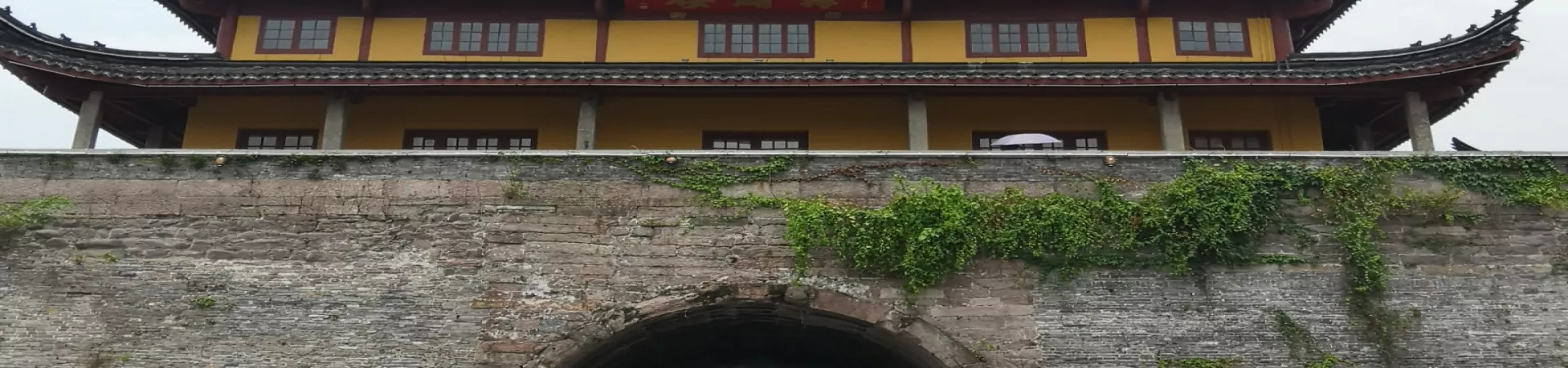
Subtitle: A Timeless Sentinel: Exploring Ningbo's Historic Drum Tower
Introduction Rising amidst the modern bustle of Ningbo's city center, the Drum Tower, also reverently known as Haishu Tower, stands as a silent yet profound testament to the city's layered history. It is not merely an attraction but the sole surviving ancient city gate tower from Ningbo's illustrious past, offering visitors a unique physical and visual portal through time. More than just a monument to be viewed, it is a cultural hub where East meets West, history intersects with contemporary life, and panoramic views give way to bustling traditional markets below. A visit here is essential for understanding the soul of Ningbo, providing context to its present through the enduring legacy of its past.
1. Historical Significance and Architectural Grandeur 1.1. Origins and Legacy The story of the Drum Tower begins in the Tang Dynasty (618-907 AD), a period marking Ningbo's early significance as a trading port. Originally part of the city's formidable defensive walls, it served as a crucial watchtower and signal point. Over subsequent dynasties, including the Ming and Qing, it was rebuilt and restored, each iteration adding to its narrative. Its survival into the 21st century is remarkable, making it the only remaining structure of its kind in Ningbo and an invaluable archaeological and historical landmark. The name "Haishu Tower" connects it directly to the Haishu District, anchoring it as the symbolic heart of the old city.
1.2. A Unique Architectural Fusion The tower's most striking feature is its fascinating architectural hybridity, a visual metaphor for Ningbo's historical role as a cosmopolitan port open to foreign influences. The base of the structure is quintessentially Chinese—a solid, imposing stone gate tower with traditional arched passageways that once allowed traffic to flow through the city wall. Sitting atop this ancient base, however, is a distinctly Roman-style clock tower, added in the modern era. This combination of a classical Chinese base with European-inspired upper levels creates a "East-meets-West" silhouette that is both unusual and iconic. This blend tells a story of cultural exchange, showcasing how Ningbo has historically integrated external elements into its own identity.
2. The Visitor Experience: Views, Culture, and Cuisine 2.1. Panoramic Vistas and Cultural Exhibitions Ascending the Drum Tower is the first step in any visit, rewarded with a commanding 360-degree panorama of Ningbo. From this vantage point, the city's evolution unfolds: the historic rooftops and lanes of the old quarters contrast with the gleaming skyscrapers of the new business districts, providing a perfect visual summary of its journey through time.
Within the tower itself, the space is dynamically used as a cultural venue. The interior regularly hosts rotating exhibitions, transforming the historical structure into a living gallery. Visitors might encounter: * Traditional Chinese painting and calligraphy displays, showcasing the refined artistic heritage of the region. * Photography exhibitions, often featuring historical shots of Ningbo or contemporary works by local artists. * Cultural and historical artifact displays related to the tower's own story or Ningbo's maritime history. These exhibitions ensure that each visit can offer a new cultural insight, making the tower a active participant in the city's contemporary arts scene.
2.2. The Vibrant Drum Tower Pedestrian Zone The experience extends far beyond the tower's walls. The area surrounding the Drum Tower has been developed into a sprawling "antique-style" pedestrian shopping and dining district. While the architecture here is a conscious recreation of traditional Ming and Qing dynasty styles rather than original, it successfully creates an immersive and lively historical atmosphere.
This zone is the perfect place to engage with local life and flavors. Narrow streets lined with shops sell souvenirs, handicrafts, and traditional goods. The true highlight, however, is the food. The area is a paradise for foodies eager to sample Ningbo's famous snacks. Signature items to seek out include: * Yóuzànzi: These are a must-try. These deep-fried, twisted dough pastries, slightly savory and incredibly flaky, are a beloved local classic. * Tangyuan (sweet glutinous rice balls): Often served in a fermented rice wine broth. * Various savory pastries and dried seafood snacks, reflecting the city's coastal location.
3. Practical Information for Planning Your Visit 3.1. Location and Transportation The Drum Tower is centrally located within the Haishu District, making it easily accessible. * By Public Bus: Numerous bus lines stop at the "Gulou" (Drum Tower) station, including routes 2, 3, 12, and 14. From the bus stop, the tower is within a short and easy walk. * By Taxi or Ride-hailing: Simply asking for "Gulou" is universally understood by drivers. * By Metro: Ningbo's efficient metro system also serves the area, with nearby stations providing convenient access.
3.2. Admission and Opening Hours One of the great advantages of visiting the Drum Tower is its accessibility. * Admission Fee: Free of charge. There is no ticket required to enter the tower or explore the surrounding pedestrian zone, making it an excellent value destination. * Opening Hours: The tower itself is generally open from 9:00 AM to 6:00 PM daily. Last entry is typically at 6:00 PM. It is advisable to allocate at least 30-60 minutes to explore the tower, enjoy the view, and see any ongoing exhibitions. However, the surrounding pedestrian area is open for much longer, with shops and restaurants operating into the evening.
3.3. Nearby Cultural Hub: Gongyuan Road Adjacent to the Drum Tower district, Gongyuan Road is worthy of special mention. This area is known as a primary gathering spot for cultural activities and events in Ningbo. It often hosts public festivals, performance arts, and markets. When planning your visit to the Drum Tower, it is worthwhile to check if any concurrent events are scheduled on Gongyuan Road, as this can significantly enrich your cultural experience of the city's vibrant contemporary scene.
Information last updated: January 2023.