Chiang's former residence
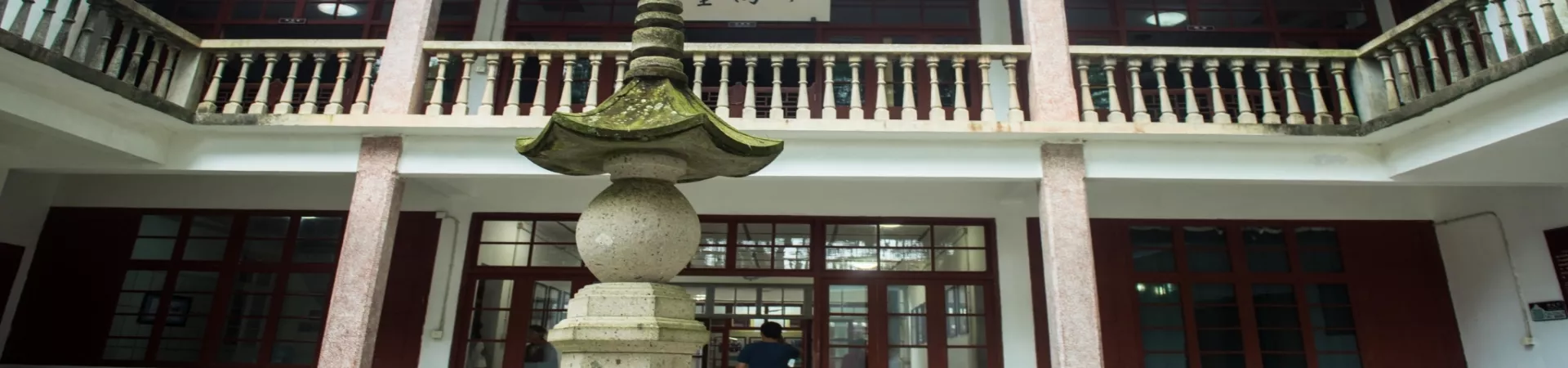
Subtitle: A Journey Through History: Exploring the Former Residences of Chiang Kai-shek and Chiang Ching-kuo in Fenghua
1. Introduction and Historical Significance
Nestled in the historic town of Xikou, Fenghua District, in Ningbo, Zhejiang Province, lies a compound of profound historical importance: the Former Residences of Chiang Kai-shek and Chiang Ching-kuo. Designated in the fourth group of "Major National Historical and Cultural Sites," this location is protected as a significant modern historical relic and representative architectural complex. It serves as an essential physical chronicle of early 20th-century Chinese history and the influential Chiang family. More than just a collection of old buildings, the site offers visitors a tangible connection to the personal lives, political foundations, and familial traditions of two pivotal figures in modern Chinese history—Chiang Kai-shek, the former leader of the Republic of China, and his son, Chiang Ching-kuo.
The compound is not a single structure but an extensive architectural ensemble, meticulously preserved to reflect its early Republican era appearance. A visit here is a step back in time, allowing one to walk the same halls, gardens, and courtyards that shaped the upbringing and later years of these historical personalities. The site encompasses several key areas, including the main family dwelling known as Fengao Fang, the Western-style Xiaoyang Fang (Little Western House), and the Yutai Salt Shop, the family's commercial enterprise that underpinned their early fortune. Each section contributes to a multifaceted narrative of family, power, tradition, and the interplay between Eastern and Western influences during a period of immense national transformation.
2. Architectural Layout and Key Structures
2.1 Overall Layout and Design Philosophy The residences are a masterpiece of traditional Jiangnan (south of the Yangtze River) residential architecture, adapted for a prominent modern family. The core layout follows the classical Chinese "front hall, rear hall, with wing-rooms on four sides" configuration. This design emphasizes axial symmetry, hierarchical space, and a clear separation between public reception areas and private living quarters. The buildings are interconnected by covered corridors and pavilions, creating a harmonious flow between indoor and outdoor spaces. The aesthetic is one of refined elegance and grandeur, characterized by dark wooden pillars, ochre-colored walls, intricately carved beams, and painted rafters.
2.2 Fengao Fang (The Main Family House) As the principal residence, Fengao Fang is the heart of the complex. Its name, meaning "House of Abundance and Prosperity," reflects the family's aspirations. The interior is a showcase of exquisite craftsmanship. The halls and corridors are adorned with elaborate wood carvings and colorful paintings depicting folklore, flora, and fauna, symbolizing blessings and virtues. The central hall, Baoben Tang (Hall of Repaying Origins), holds particular significance. Here, visitors can see two inscribed plaques personally handwritten by Chiang Kai-shek. One reads, "Bao Ben Zun Qin Shi Wei Dao De Yao Dao" ("Repaying one's origins and honoring one's parents is the essential way of morality"), and the other, "Yu Li Shuai Qi" ("Harboring reason to command one's spirit"). These inscriptions offer deep insight into Chiang's Confucian values and his philosophical outlook on governance and personal cultivation.
2.3 Xiaoyang Fang (The Little Western House) A striking contrast to the traditional architecture, Xiaoyang Fang is a modest two-story Western-style building located near the Wuling Gate entrance. It served as Chiang Ching-kuo's primary residence upon his return from the Soviet Union in 1937. This house witnessed a crucial period of his life, including his studies, his work in local administration, and the tragic wartime years when his wife, Faina Vakhreva (a Russian also known as Chiang Fang-liang), lived here. The building's simpler, foreign style symbolizes the modernizing influences and the complex personal history that the younger Chiang brought back with him.
2.4 Yutai Salt Shop and Ancestral Sites The Yutai Salt Shop represents the commercial origins of the Chiang family's wealth. Although the current structure is a reconstruction following a fire, it marks the birthplace of Chiang Kai-shek and illustrates the family's merchant background. Beyond the main residential areas, the expansive grounds include the Chiang Family Ancestral Temple, a solemn space for clan rituals and worship, emphasizing the importance of lineage. Additionally, the site manages the nearby Tomb of Chiang's Mother, a separate but associated memorial that underscores Chiang Kai-shek's deep filial piety, a theme recurrent throughout the complex.
3. Gardens and Grounds
The architectural grandeur is complemented by serene and classical Chinese gardens. The compound features three main gardens situated in front and on the sides of the main halls. These are not merely decorative spaces but integral components of the living environment, designed for contemplation, leisure, and harmony with nature. Meandering pathways, artificial rockeries, ancient trees, and tranquil ponds create a peaceful oasis. The gardens seamlessly integrate with the buildings, offering picturesque views from various halls and corridors, and housing smaller ancillary structures like pavilions. They provide a sensory break from the historical narrative, allowing visitors to appreciate the aesthetic principles that valued the unity of architecture, man, and nature.
4. Practical Visitor Information
4.1 Ticket Information * Standard Ticket: 120 RMB (adults). * Concession Ticket (Half-price): 60 RMB. Applicable to seniors aged 60-70 (with valid ID), minors aged 6-18, children with height between 1.2m-1.5m, and full-time undergraduate students or below (with valid student ID). * Free Admission: Children under 6 years or under 1.2m in height; seniors over 70 (with valid ID); individuals with disabilities, retired veteran cadres, and active military personnel (with valid ID). * Note: The above information is for reference. Please verify with the scenic area on the day of your visit for the most current pricing and policy details.
4.2 Opening Hours * Summer Period (June 1 - August 31): 08:00 - 17:30. Last admission at 17:30. * Winter Period (December 1 - February 28/29): 08:30 - 17:00. Last admission at 16:30. * Operating hours for spring and autumn typically fall between these times. It is advisable to confirm in advance.
4.3 Suggested Duration and Contact * Suggested Visit Duration: A comprehensive tour of the entire complex, including time to appreciate the architecture, exhibits, and gardens, typically requires 1 to 3 hours. * Contact: For inquiries, you may call 400-181-7718.
A visit to the Chiang Family Former Residences is therefore a multi-layered experience. It is an architectural tour, a history lesson, a glimpse into personal philosophies, and an appreciation of traditional Chinese aesthetics, all set within the quiet, lush landscape of Fenghua. Each hall, garden path, and historical artifact contributes to a nuanced understanding of a family that left an indelible mark on the canvas of modern Chinese history.