Zhang Daqian Memorial Hall
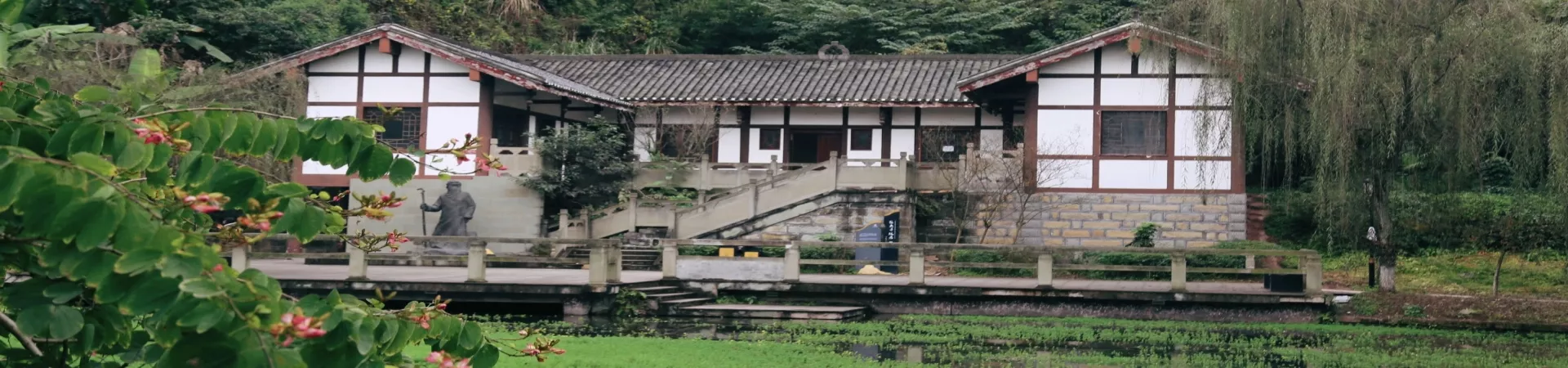
Subtitle: A Journey into the Legacy of a Master: The Zhang Daqian Memorial Museum
1. Introduction: The Artist and His Hometown
Nestled atop the Dongyan Hill on the northern bank of the Tuo River in Neijiang City, Sichuan Province, the Zhang Daqian Memorial Museum stands as a profound tribute to one of the most celebrated Chinese artists of the 20th century. This institution is dedicated to preserving and presenting the life and work of Zhang Daqian (Chang Dai-chien, 1899-1983), a native son of Neijiang whose artistic genius left an indelible mark on the global art world. Born here, Zhang Daqian embarked on a legendary journey that saw him master classical Chinese painting, study in Japan, and eventually develop a unique, revolutionary style that bridged historical traditions with bold, modern expression. Revered for the profound spirituality, exquisite elegance, and distinctive character of his works, he earned accolades such as "the foremost painter of his time." The museum, therefore, is not merely a building but a homecoming for his spirit, offering visitors a deep connection to the landscapes and cultural milieu that shaped his early years.
2. Architectural Harmony and Layout
2.1. Design Philosophy and Structure The museum complex masterfully integrates architectural beauty with its natural hillside setting, covering an area of approximately 31.46 acres (about 21,000 square meters) with a building footprint of 1,060 square meters. Its design is a deliberate homage to traditional Sichuan residential and scholarly garden architecture, creating a serene and contemplative environment ideal for appreciating art. The layout employs classic Chinese courtyard schemes, including sanheyuan (three-sided courtyards) and siheyuan (four-sided courtyards), arranged in multiple, progressive layers (jichong jinjin). This spatial progression guides visitors on a physical and metaphorical journey from the outer world into the inner sanctum of artistic creation.
2.2. Key Architectural Features The main structures are thoughtfully placed within this landscaped haven. The central Dafeng Hall (Great Wind Hall), named after Zhang Daqian's studio, serves as a focal point. Flanking it are dedicated Art Galleries. These buildings are interconnected and complemented by a network of covered corridors, elegant pavilions, waterside kiosks (xie), tranquil ponds, and artistic rockeries. The water features and artificial mountains reflect the classic Chinese garden principle of incorporating miniature landscapes, a theme also prevalent in Zhang Daqian's own shanshui (mountain-water) paintings. Every pathway, window frame, and courtyard vista is composed to foster peace and inspiration.
3. The Museum Experience: Collections and Highlights
3.1. The Central Courtyard and Bronze Statue At the heart of the main courtyard complex, visitors are greeted by a dignified bronze statue of Master Zhang Daqian. This lifelike sculpture, situated in the central hall, captures the artist's venerable presence and serves as a focal point for reflection on his legacy. The surrounding courtyard spaces often host temporary exhibitions or provide quiet areas for rest, enveloped by the traditional architecture.
3.2. The Art Galleries: A Legacy on Display The museum's core artistic wealth is housed in its twin galleries. One gallery is primarily dedicated to exhibiting the works of Zhang Daqian himself. The collection showcases a range of his oeuvre, from his early, meticulous studies of ancient masters and sublime Buddhist cave painting-inspired works to the magnificent, splashed-color (pocai) landscapes of his later years that cemented his international fame. These pieces illustrate his unparalleled technical skill, evolving philosophical insights, and boundless creativity.
3.3. The Brother's Bond: Zhang Shanzi's Contributions The second gallery honors Zhang Shanzi (Zhang Ze), Zhang Daqian's elder brother and a formidable painter in his own right, particularly renowned for his dynamic depictions of tigers. This section highlights the profound artistic and personal bond between the brothers. Zhang Shanzi was not only a mentor and collaborator to Daqian but also a pivotal figure in his early career. Displaying their works side by side allows visitors to appreciate their individual styles while understanding the synergistic relationship that influenced both their developments.
3.4. A Historical Inscription: The Calligraphy of General Zhang Xueliang A significant historical artifact adorns the museum's main gate: the inscribed plaque bearing the name "Neijiang Zhang Daqian Memorial Museum." This calligraphy was personally penned by General Zhang Xueliang (the Young Marshal), a famous Chinese military leader and a close personal friend of Zhang Daqian. This inscription adds a layer of historical depth, testifying to the artist's wide-reaching connections and the high esteem in which he was held across different spheres of Chinese society.
4. Visitor Information and Practical Details
4.1. Location and Ambiance The museum's location at Dongyan Hill offers more than just a venue; it provides an experience. The elevated position affords peaceful views and a sense of removal from the urban bustle, aligning with the contemplative nature of traditional Chinese art and scholarship. The integration of architecture with gardens invites leisurely strolls, where the play of light, shadow, water, and stone enhances the overall appreciation of the art housed within.
4.2. Opening Hours and Schedule The museum operates with the following weekly schedule: * Tuesday to Sunday: Open from 10:00 AM to 4:00 PM. Last admission is at 4:00 PM. * Monday: Closed all day (unless it falls on a national public holiday, in which case it is advisable to check ahead). This schedule is maintained consistently throughout the year, from January 1st to December 31st.
4.3. Contact Information For inquiries regarding exhibitions, group visits, or other matters, visitors can contact the museum directly at +86-832-2255773.