Dongxing Yangtze River Forest Park
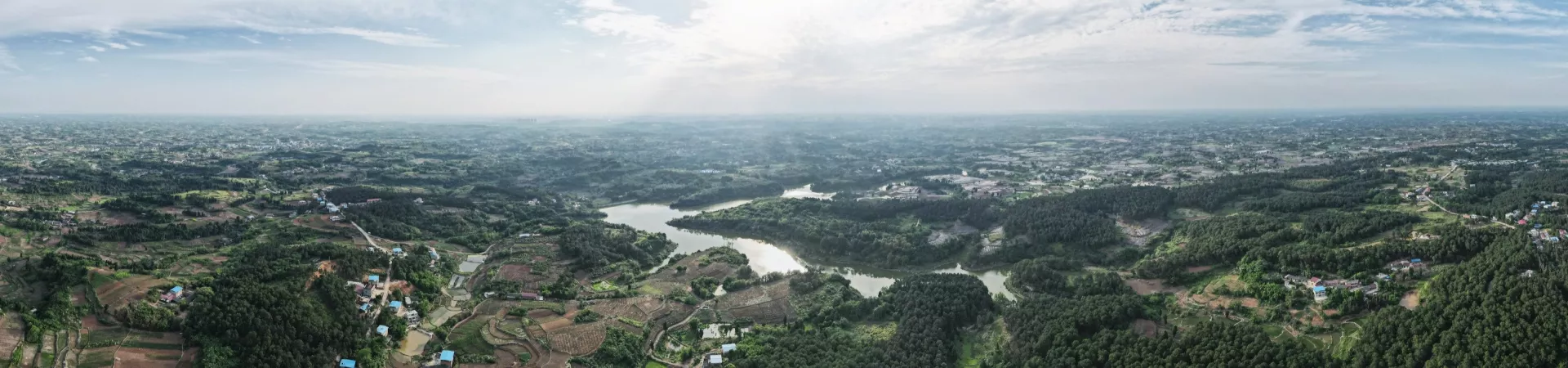
Subheading: A Riverside Sanctuary Where Nature and Culture Embrace
1. Introduction to Dongxing Yangtze River Forest Park
Nestled along the majestic Yangtze River in the Dongxing District of Neijiang City, Sichuan Province, the Dongxing Yangtze River Forest Park stands as a remarkable testament to ecological conservation and serene natural beauty. More than just a forest, it is a comprehensive ecological zone where lush greenery meets historical waterways, offering urban escapees a perfect blend of tranquility, recreational activity, and a gentle immersion into the region's natural heritage. This park serves as a vital "green lung" for the area, providing a crucial habitat for diverse flora and fauna while presenting visitors with a picturesque landscape of rolling forested hills descending to the iconic riverbanks of the Yangtze.
2. Exploring the Natural Landscape and Key Features
2.1. The Forest Canopy and Biodiversity The heart of the park is its expansive, well-preserved subtropical evergreen broad-leaved forest. Visitors are greeted by a dense canopy of towering trees, including various species of oaks, camphor trees, and pines, which create a cool, shaded environment even during the warmer months. The undergrowth is rich with ferns, shrubs, and wildflowers, forming a multi-layered ecosystem. This biodiversity hotspot is home to numerous bird species, butterflies, and small mammals, making it an excellent destination for birdwatching and nature photography. The air is notably fresh, scented with pine and earth, offering a profound sense of rejuvenation.
2.2. The Yangtze River Vista and Riverside Trails A defining feature of the park is its privileged access to the Yangtze River. Strategically located viewing platforms and gentle trails along the riverbank provide breathtaking panoramas of China's mother river. The sight of the powerful, yet here often tranquil, waters winding through the landscape is truly majestic. Paved and well-maintained walking paths, such as the Riverside Promenade, allow for leisurely strolls where the sounds of rustling leaves harmonize with the distant murmur of the river. These trails are designed for all ages and fitness levels, ensuring everyone can enjoy the scenic beauty.
2.3. Recreational Facilities and Leisure Activities The park is thoughtfully developed to cater to both passive enjoyment and active recreation. Key facilities include: * Picnic Areas and Pavilions: Scattered throughout the forest clearings and near viewpoints are numerous picnic spots and traditional Chinese-style pavilions. These provide ideal locations for families and friends to gather, relax, and enjoy a meal surrounded by nature. * Children’s Playgrounds: Safe and engaging play areas are available for younger visitors, allowing them to explore and have fun in a natural setting. * Fitness Equipment and Trails: For those seeking activity, there are open spaces with public fitness equipment and designated paths suitable for jogging and light hiking.
3. Visitor Experience and Practical Information
3.1. Ideal Time to Visit The park is a year-round destination, each season offering a unique charm. Spring (March-May) brings blooming flowers and vibrant greenery. Summer (June-August) provides a cool retreat from the heat under the forest canopy. Autumn (September-November) is perhaps the most spectacular, with a stunning display of fall foliage coloring the hillsides. Winter (December-February) is quieter, with a stark, serene beauty.
3.2. Getting There and Accessibility The park is located in Dongxing District, Neijiang. It is accessible by car, taxi, or public bus from downtown Neijiang. Ample parking is usually available near the main entrance. The main pathways within the park are generally flat or gently sloping, making significant portions accessible for strollers and wheelchairs, though some secondary forest trails may be more rugged.
3.3. Suggested Itinerary for a Half-Day Visit A comprehensive visit typically takes 3-4 hours. A recommended route would start at the main entrance, followed by a walk along a central forest trail to absorb the woodland atmosphere. Then, proceed towards the riverbank to spend time at the viewing platforms. Afterwards, loop back via the Riverside Promenade, stopping at a pavilion for rest. Finally, enjoy some leisure time at a picnic area or the playground before departing.
4. Conservation Significance and Cultural Context
4.1. Ecological Protection Role The Dongxing Yangtze River Forest Park plays a critical role in regional environmental protection. It helps in soil conservation along the riverbanks, purifies air and water, and maintains local biodiversity. The park's existence highlights the growing importance China places on sustainable development and ecological civilization, balancing human leisure needs with the imperative of protecting natural ecosystems.
4.2. A Tribute to the Yangtze River Culture While primarily a natural site, the park inherently connects visitors to the cultural and historical significance of the Yangtze River. Standing by its banks, one can reflect on the river's immense role as a cradle of Chinese civilization, a vital transportation artery, and a source of inspiration for centuries. The park offers a peaceful space to appreciate this natural wonder outside of the bustling urban or industrial contexts often associated with it.
Contact Information: For any inquiries prior to your visit, you may contact the park administration at 0851-6818436.