Daqianyuan
Subtitle: A Journey Through Art, History, and Spiritual Serenity
1. Introduction: The Cultural Heart of Neijiang
Nestled in the vibrant city of Neijiang, in Sichuan Province, lies the Daqian Garden (大千园), a sprawling cultural complex dedicated to celebrating the life, art, and enduring spirit of one of China's most celebrated 20th-century artists, Zhang Daqian (Chang Dai-chien). More than just a museum or a park, Daqian Garden is a harmonious integration of historical commemoration, artistic appreciation, botanical beauty, and local cultural heritage. It offers visitors a profound opportunity to step into the world of a master, understand his deep connection to his hometown, and experience a tranquil space that reflects the artistic sensibilities of traditional Chinese garden design. The complex serves as the cultural soul of Neijiang, transforming the city's admiration for its most famous son into a tangible, immersive experience for all.
2. Exploring the Core Attractions
The garden is thoughtfully divided into several interconnected zones, each offering a unique perspective on Zhang Daqian's legacy and the region's culture.
2.1. The Zhang Daqian Memorial Museum This modern museum forms the intellectual core of the complex. Its extensive collections are systematically displayed across multiple exhibition halls.
- Permanent Collection Galleries: These galleries house a rotating and permanent display of Zhang Daqian's works, ranging from his early, meticulously detailed classical-style paintings and sophisticated calligraphy to replicas and studies of his later, revolutionary "splashed-ink" and "splashed-color" landscapes. The exhibitions often trace his artistic evolution, highlighting his unparalleled technique, his deep reverence for ancient masters, and his bold, innovative spirit that bridged Eastern and Western art traditions.
- Historical Artifacts and Documents: Beyond paintings, the museum preserves a wealth of personal artifacts, including seals, brushes, inkstones, photographs, and letters. These items provide an intimate glimpse into the artist's daily life, his creative process, and his extensive travels and interactions with the global art community.
- Research and Education Center: The museum also functions as a key academic hub for the study of Zhang Daqian's art, hosting seminars, lectures, and educational programs designed to engage students, scholars, and art enthusiasts.
2.2. The Former Residence of Zhang Daqian Adjacent to the museum stands a meticulously restored or recreated traditional Sichuan-style courtyard residence, representing the home environment of Zhang Daqian's youth.
- Architectural Layout: Visitors can wander through the classic siheyuan (quadrangular) layout, exploring the living quarters, study, and reception rooms. The architecture itself, with its elegantly upturned eaves, wooden carvings, and tranquil courtyards, offers insight into the lifestyle of a scholarly family in early 20th-century Neijiang.
- Period Furnishings: The rooms are furnished with period-appropriate antiques and replicas, recreating the atmosphere that shaped the young artist's formative years. The study, in particular, evokes the space where he might have first practiced calligraphy and painting, surrounded by the tools of his future craft.
2.3. The Donglin Temple (东林寺) Integral to the Daqian Garden landscape is the historic Donglin Temple. Zhang Daqian spent several formative years here as a novice monk in his youth, and the temple remained a spiritual touchstone throughout his life.
- Historical Significance: The temple grounds add a layer of spiritual and historical depth to the visit. Its ancient architecture, serene Buddha halls, and quiet courtyards represent the contemplative side of Zhang Daqian's character and the source of the Buddhist themes that occasionally permeated his work.
- Garden Integration: The temple's pavilions, ancient trees, and incense-filled air are seamlessly woven into the garden's pathways, creating a peaceful retreat that encourages reflection, mirroring the artist's own search for harmony between the worldly and the spiritual.
3. The Garden Landscape and Visitor Experience
The entire complex is masterfully landscaped as a traditional Chinese garden, where architecture and nature exist in poetic dialogue.
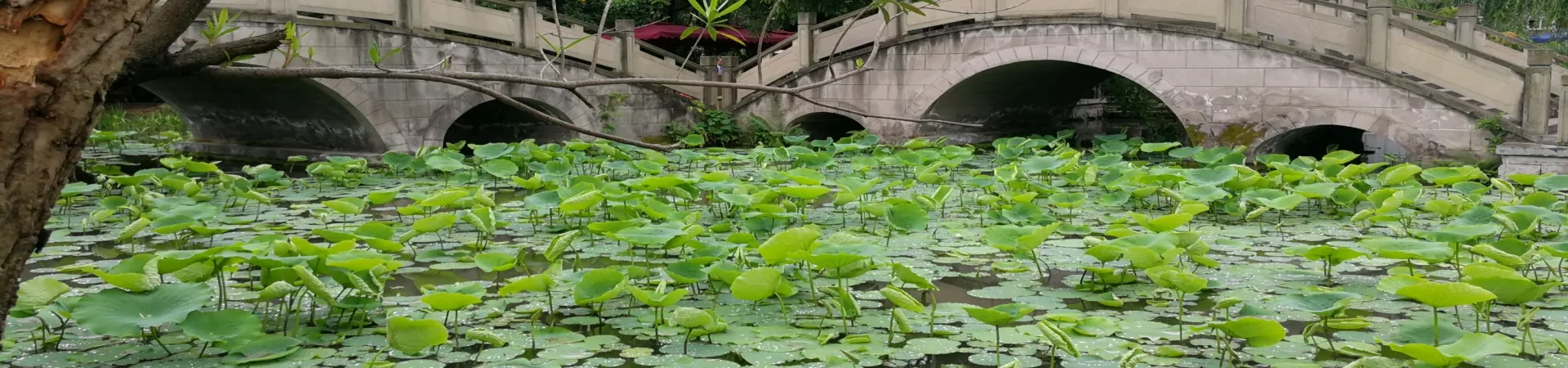
- Design Philosophy: Following the principles of "borrowing scenery" (jiejing), the design incorporates natural elements like the nearby mountains and river views into its composition. Meandering paths, artificial hills, ponds brimming with lotus flowers (a favorite subject of Zhang Daqian), rockeries, and covered corridors (lang) guide visitors through a series of carefully composed vistas.
- Seasonal Beauty: The garden's character changes with the seasons: vibrant azaleas and greenery in spring, shaded lotus ponds in summer, the golden hues of ginkgo trees in autumn, and a quiet, stark elegance in winter. Each season offers a different perspective, much like the varying styles in Zhang Daqian's own portfolio.
- Cultural Activities: The garden frequently serves as a venue for cultural events such as traditional music performances, calligraphy demonstrations, and painting workshops, allowing the arts celebrated within its museums to spill out into its living spaces.
4. Practical Information for Visitors
To ensure a smooth and enriching visit, please note the following practical details.
4.1. Location and Access Daqian Garden is located in the Shizhong District of Neijiang City, Sichuan. It is easily accessible by public bus or taxi from the city center. For visitors from outside Neijiang, the city is well-connected by high-speed rail to Chengdu and Chongqing.
4.2. Opening Hours and Admission * Opening Hours: The garden complex is open daily from 09:00 to 17:00. The last admission is typically one hour before closing. It is advisable to allocate at least 3-4 hours for a comprehensive visit to the museum, residence, temple, and gardens. * Ticketing: There is usually an admission fee for the main museum and exhibition areas, while access to the outer garden paths and some temple areas may be free or separate. It is recommended to check the official website or local tourist information for the latest pricing and any combined ticket options.
4.3. Suggested Itinerary and Tips * Recommended Route: A logical flow for visitors is to start at the Zhang Daqian Memorial Museum to gain foundational knowledge, then proceed to the Former Residence for historical context, followed by a contemplative walk through the Donglin Temple. Finally, leisurely explore the landscaped gardens, allowing the art and history absorbed earlier to settle amidst the natural beauty. * Visitor Tips: Comfortable walking shoes are essential. Consider hiring an audio guide or joining a scheduled tour at the museum for deeper insights. Early mornings on weekdays are often less crowded. Photography is usually permitted in the gardens but may be restricted in certain museum galleries.