Chonglong Mountain
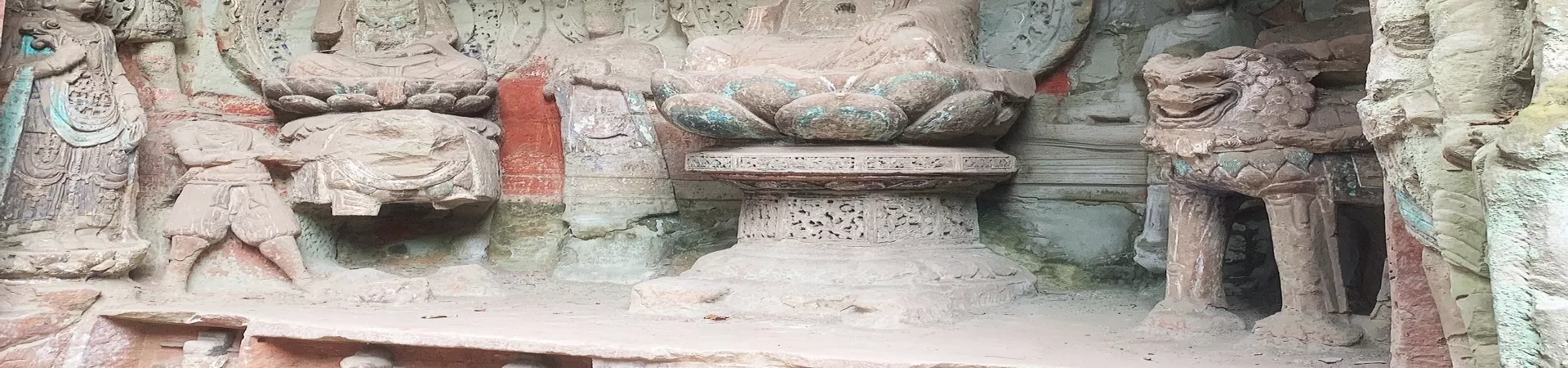
Subtitle: A Journey Through Time and Serenity: Discovering Chonglong Mountain in Neijiang
Introduction: The Spiritual and Historical Heart of Sichuan
Nestled within the verdant landscapes of Neijiang City in Sichuan Province, Chonglong Mountain stands not merely as a geographical feature but as a profound cultural and spiritual landmark. Often referred to as the "Crown Jewel of Western Sichuan," this mountain park seamlessly intertwines natural beauty, deep-rooted Buddhist heritage, and centuries of historical narrative. For the discerning traveler, a visit to Chonglong Mountain is an immersive journey—a chance to walk ancient paths, encounter exquisite art frozen in stone, and find a moment of profound tranquility away from the modern world's bustle. It is a destination where every step unveils layers of history, from the Tang Dynasty's pious artisans to the scholarly pursuits of later eras, all set against a backdrop of lush forests and serene vistas.
1. A Tapestry of History and Faith
1.1. Origins and Spiritual Significance The story of Chonglong Mountain is inextricably linked to the spread of Buddhism in China. Its development as a sacred site began in earnest during the Tang Dynasty (618-907 AD), a golden age for Chinese Buddhist art and architecture. The mountain's name itself, "Chonglong" (重龙), meaning "Heavy Dragon" or "Venerated Dragon," hints at its auspicious place in local lore and geomantic principles (feng shui). For over a millennium, it has been a revered center for worship, meditation, and pilgrimage, attracting monks, scholars, and imperial visitors alike.
1.2. The Pinnacle of Artistic Achievement: The Stone Carvings The absolute centerpiece of Chonglong Mountain, and the primary reason for its national fame, is its breathtaking collection of ancient Buddhist stone carvings.
1.2.1. Scale and Scope Housed within natural grottoes and on cliff faces, the site boasts over 160 niches containing more than 1,600 individual statues. These works span several dynasties, with the most prolific and artistically significant period being the Tang Dynasty, followed by contributions from the Song and Ming Dynasties.
1.2.2. Iconic Masterpieces Among this vast gallery, several works are of exceptional importance. The colossal statue of the Maitreya Buddha (the Future Buddha) is a commanding presence, radiating serenity and majesty. Equally impressive is the exquisite depiction of the Thousand-Armed and Thousand-Eyed Guanyin (Avalokiteshvara), a masterpiece of intricate detail symbolizing boundless compassion and the ability to see and aid all suffering beings. The "Paradise of the Bhaisajyaguru Buddha" (the Medicine Buddha) is another elaborate tableau, showcasing the sophisticated narrative and compositional skills of Tang artisans.
1.2.3. Historical and Artistic Value These carvings are far more than religious icons; they are a priceless historical archive in stone. They provide invaluable insights into the evolution of Buddhist doctrine, artistic styles, costume, and social life in medieval China. The graceful lines, serene expressions, and harmonious integration with the natural rock face make them a benchmark for Chinese grotto art, often mentioned in the same breath as the more famous sites at Dazu and Longmen.
2. Exploring the Mountain's Cultural Landscape
2.1. Architectural Harmony: Temples and Pavilions Dotting the mountainside are traditional Chinese structures that complement the natural and sculptural environment. The Chonglong Temple complex, with its classic upturned eaves, vibrant murals, and fragrant incense, serves as a living center of Buddhist practice. Other pavilions and halls, such as the Wenchang Pavilion, reflect the later Confucian influence, dedicated to the deity of literature and scholarship, indicative of the site's importance to the literati class.
2.2. A Scholar's Retreat: The Ancient Academy Adding a unique scholarly dimension to the mountain is the presence of an ancient academy (Shuyuan). These institutions were pivotal in China's educational history, and the academy here underscores Chonglong Mountain's role as a sanctuary for intellectual pursuit and philosophical discussion, blending spiritual enlightenment with classical learning.
2.3. Natural Beauty and Panoramic Vistas The cultural journey is framed by the mountain's inherent natural charm. Winding stone pathways lead visitors through dense groves of bamboo and ancient trees, past tranquil ponds, and over quaint bridges. The climb is rewarded with sweeping panoramic views of the Neijiang cityscape and the winding Tuo River, offering a perfect juxtaposition of serene heritage and contemporary life.
3. Practical Information for the Visitor
3.1. Location and Access Chonglong Mountain is conveniently located within Neijiang City, Sichuan Province. It is easily accessible by public bus, taxi, or private car from the city center. The main entrance gate marks the beginning of the exploratory ascent.
3.2. Opening Hours and Ticketing The park is open to the public daily, with specific hours for entry. Opening Hours: 09:00 - 18:00 (Full Day) Last Admission Time: 17:00 These hours are in effect year-round, from January 1st to December 31st, Monday through Sunday. It is advisable to arrive with sufficient time before the last admission to enjoy a thorough visit. A modest entrance fee is required, with possible concessions for students and seniors.
3.3. Suggested Itinerary and Tips A comprehensive visit typically requires 3 to 4 hours. A recommended route is to begin at the main gate, proceed to the lower-level temples, then systematically explore the grotto areas, allowing ample time to appreciate the details of the carvings. Comfortable walking shoes are essential due to the stone steps and inclined paths. As an active religious site, visitors are encouraged to observe respectful decorum within temple areas. The mountain paths are well-maintained but can be slippery in wet weather, so caution is advised. The best seasons for visiting are spring and autumn, when the Sichuan climate is most temperate and the foliage enhances the mountain's beauty.
4. The Enduring Legacy of Chonglong Mountain
Chonglong Mountain transcends the definition of a mere tourist attraction. It is a living museum, a sacred sanctuary, and a testament to human artistic aspiration. It offers a rare, tangible connection to China's profound spiritual history and artistic zenith. For the visitor, the experience is multifaceted: the awe inspired by the silent, stone gazes of ancient Buddhas, the peace found in the shaded temple courtyards, the intellectual curiosity sparked by the historical layers, and the simple pleasure of a mountain walk with a view. In a rapidly modernizing China, Chonglong Mountain remains a steadfast guardian of cultural memory, inviting all who climb its paths to pause, reflect, and discover the deep, enduring currents of history and faith carved into its very bones.