Xichuan Xiangyan Temple
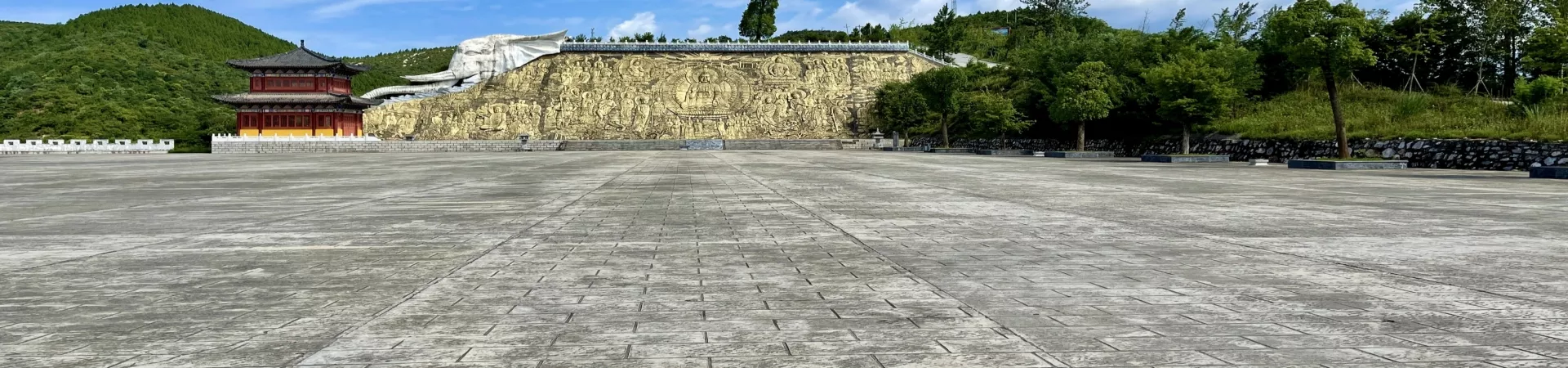
Subtitle: A Journey to Xiangyan Temple: Nanyang's Hidden Spiritual Sanctuary
1. Introduction: The Legacy of Xiangyan Temple
Nestled deep within the mountainous landscapes of Xichuan County, Nanyang City, Henan Province, lies the serene and historically profound Xiangyan Temple, also reverently known as Xiangyan Longevity Temple. This ancient Buddhist complex, situated approximately 40 kilometers south of Xichuan county town in the Cangfang Township, represents a remarkable repository of spiritual heritage, architectural resilience, and natural beauty. Its story is one of duality, loss, and preservation, offering visitors a poignant glimpse into China's religious history and the transformative power of nature. Originally, the temple consisted of two separate monastic compounds, poetically described in historical records: "one amidst the embrace of ten thousand mountains at Baiyan, and the other at the foot of the mountains beside the Dan River." These were colloquially known as the Upper Temple and the Lower Temple, standing watch over the landscape from a distance of about 30 li (15 kilometers). Today, only the Upper Temple remains, its survival marking it as a precious cultural relic and a destination for those seeking tranquility and historical depth away from the bustling urban centers.
2. Historical Context and Geographical Setting
2.1. The Lost Lower Temple The fate of Xiangyan Temple is intimately tied to the Danjiangkou Reservoir, one of China's key hydraulic engineering projects. The Lower Temple, once gracefully positioned along the banks of the Dan River, now lies submerged beneath the reservoir's vast waters. This silent inundation serves as a solemn reminder of the trade-offs between modern development and cultural preservation. The loss of the Lower Temple adds a layer of contemplative melancholy to a visit, inviting reflection on the impermanence of human creations against the forces of nature and progress.
2.2. The Preserved Upper Temple In contrast, the Upper Temple (Shang Si) endures, a testament to enduring faith and architectural ingenuity. It is located about 4 kilometers northwest of Cangfang Town, securely nestled within the embrace of the Longshan Ridge mountains. This secluded location was strategically chosen by ancient monks for spiritual practice, offering natural protection and an environment conducive to meditation. The temple complex is harmoniously integrated into its surroundings, with ancient trees, stone paths, and the sounds of nature enhancing its sacred atmosphere. The journey to the temple itself, through winding mountain roads and lush scenery, prepares the visitor for a step back in time.
3. Visitor Experience and Practical Information
3.1. Architectural and Artistic Highlights Upon arrival, visitors are greeted by a well-preserved ensemble of traditional Chinese Buddhist temple architecture. The complex typically includes several halls, such as the Heavenly King Hall, the Great Buddha Hall, and the Buddhist Texts Library, arranged along a central axis according to classical principles. Key features to appreciate include intricate wood carvings, faded yet evocative murals that hint at past splendor, stone steles inscribed with historical records, and majestic ancient cypress trees that have witnessed centuries of prayer. The overall aesthetic is one of weathered elegance and profound peace, where every corner tells a story of devotion.
3.2. Planning Your Visit A trip to Xiangyan Temple requires some planning due to its relatively remote location.
- Transportation: Access is primarily by road. Visitors can drive or hire a private car from Nanyang city or Xichuan county. The final stretch involves navigating rural and mountain roads leading to Cangfang Town and then to the temple. Public transportation options are limited, making private arrangements or guided tours the most practical choices for independent travelers.
- Opening Hours and Admission: The temple is generally open to the public from 8:30 AM to 5:00 PM, Monday through Sunday, throughout the year. The standard admission fee is 50 RMB per person. It is advisable to check for any seasonal variations or special closures before your visit.
- Suggested Duration: To fully absorb the temple's ambiance, explore its halls at a leisurely pace, and enjoy the surrounding natural scenery, allocating 1 to 3 hours is recommended. This allows time for quiet reflection, photography, and a gentle walk around the temple grounds.
4. Essential Contacts and Final Notes
For the most current information, especially regarding travel conditions or special events, prospective visitors can contact the temple directly. The primary contact telephone numbers are 0377-69386666 and 18595997700.
A visit to Xiangyan Temple is more than a simple tourist excursion; it is a pilgrimage to a site of historical endurance. It offers a unique opportunity to connect with a quieter, more contemplative chapter of Chinese Buddhist culture, all while surrounded by the stunning natural beauty of the Henan highlands. The experience is defined by the contrast between the lost Lower Temple and the resilient Upper Temple, between the whispers of the past and the serene mountain winds of the present.