Tongbai Mountain
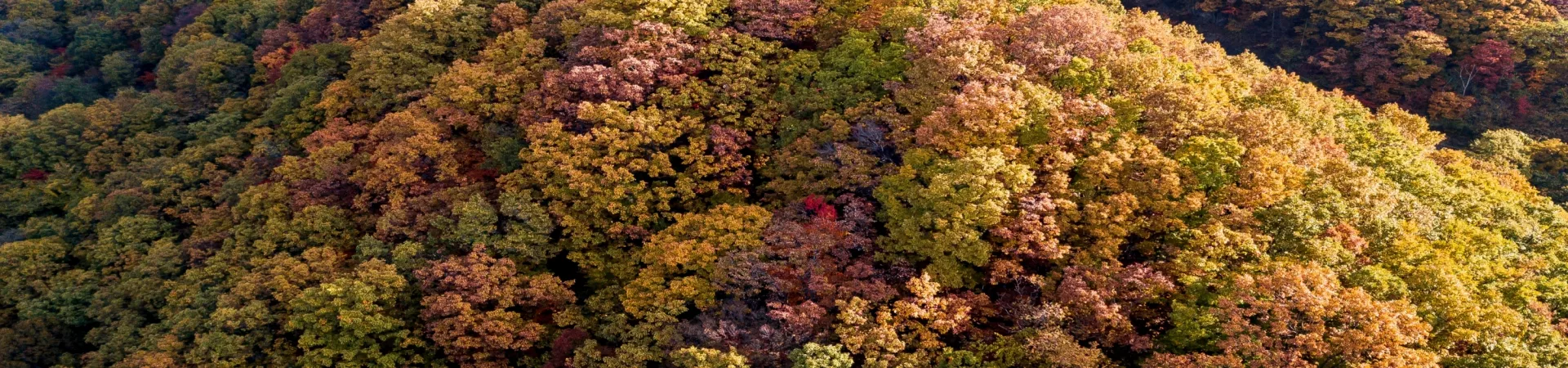
Subtitle: A Journey into the Heart of Central China's Green Lung
1. Introduction to Tongbai Mountain
Nestled in the hinterlands of China, straddling the border between Henan and Hubei provinces, Tongbai Mountain National Forest Park represents far more than just a scenic getaway. It is a vast, ecologically rich sanctuary often hailed as the "Green Lung of Central China." For visitors seeking an escape from urban clamor, Tongbai Mountain offers a profound immersion into pristine nature, deep cultural history, and spiritual tranquility. The mountain range serves as the watershed for two of China's most significant rivers—the Huai River to the north and the Yangtze River to the south—lending it not only geographical importance but also a mythical status as a birthplace of waters and legends. A visit here is a multi-layered experience, combining vigorous hikes through dense forests, explorations of ancient religious sites, and moments of pure serenity beside crystal-clear streams and waterfalls.
2. Planning Your Visit: Essential Information
Before embarking on your adventure, having key logistical details at hand will ensure a smooth and enjoyable trip.
2.1. Location and Access Tongbai Mountain is located primarily in Tongbai County, Nanyang City, Henan Province. The most common access point for tourists is through the well-developed northern sections within Henan. Visitors can travel to Nanyang city by high-speed rail or air, and then take a bus or hire a car for the approximately 1.5 to 2-hour drive to the mountain park's main entrance. The journey itself through the rural landscapes of Henan is a pleasant prelude to the natural splendor that awaits.
2.2. Admission and Operating Hours The park operates on a standardized ticketing system. The general admission fee is set at 70 RMB per person. This ticket typically grants access to the core scenic areas, forest trails, and major natural landmarks within the park. It is advisable to check for any separate fees for specific attractions like cable cars or certain temples inside. The park is open daily throughout the year. The operating hours are from 08:00 to 17:00 (Monday to Sunday, January 1st to December 31st). Planning to arrive early is highly recommended, especially on weekends and during holidays, to maximize your time on the trails and avoid larger crowds. The light in the morning also provides excellent conditions for photography.
2.3. Suggested Duration and Contact To truly appreciate the scale and beauty of Tongbai Mountain, allocating 1 to 3 hours is considered a minimum. However, this duration is best viewed as a baseline for a brief visit to a specific area. For travelers who wish to undertake serious hiking, visit multiple temples, or simply relax in the environment, a full day or even a two-day trip with an overnight stay in a local guesthouse is ideal. For the most current information regarding weather conditions, trail accessibility, or special events, you can contact the park administration. The official contact numbers are: - 0377-68186688 - 0377-68118129
3. The Multifaceted Attractions of Tongbai Mountain
The park's appeal lies in its harmonious blend of natural wonders and cultural depth.
3.1. A Naturalist's Paradise 3.1.1. Biodiversity and Landscapes Tongbai Mountain is a treasure trove of biodiversity. Its elevation variations create diverse microclimates, supporting ancient forests, vast bamboo groves, and rare plant species. The air is notably fresh and fragrant, living up to its "Green Lung" reputation. The terrain is a dramatic mix of rugged peaks, deep valleys, and serene water bodies.
3.1.2. Water Features: The Source of Legends Water is the lifeblood and the soul of Tongbai. Numerous streams, pools, and waterfalls dot the landscape. The most celebrated is the Source of the Huai River (Huaihe Yuan), a culturally significant site where visitors can see the humble beginnings of the mighty Huai River. The Taibai Waterfall and the crystal-clear Tongbai Lake are other major highlights, offering refreshing vistas and peaceful spots for contemplation.
3.2. A Crossroads of Culture and Faith 3.2.1. Taoist Heritage Tongbai Mountain holds a sacred place in Taoism, recognized as one of the "Forty-Four Blissful Realms" in Taoist cosmology. The Tongbai Temple (also known as the Cloud Platform Temple) is the spiritual centerpiece. This ancient temple complex, nestled high on the mountain, is dedicated to the deity of the Huai River. Its architecture blends seamlessly with the rocky cliffs, and the atmosphere is one of profound peace. The annual temple fairs are vibrant events showcasing local religious customs.
3.2.2. Historical Significance Beyond religion, the mountain's strategic location made it a historical stronghold. It was a famous base for Red Army forces during the revolutionary period. Sites like the former site of the Central Plains Bureau of the Communist Party of China offer a poignant look into modern Chinese history, adding a unique layer to the visitor's experience.
4. Making the Most of Your Trip: Tips and Recommendations
To ensure a rewarding journey, consider these practical suggestions.
4.1. Best Time to Visit Each season paints Tongbai Mountain in a different light. Spring (April-May) brings blooming wildflowers and vibrant greenery. Summer (June-August) is cool and misty, perfect for escaping the lowland heat, though be prepared for occasional rain. Autumn (September-October) is arguably the best season, with clear skies, comfortable temperatures, and stunning foliage. Winter (November-March) offers stark, quiet beauty and occasional snowscapes on the peaks.
4.2. What to Pack and Wear Sturdy, comfortable hiking shoes with good grip are non-negotiable due to often slippery stone steps and trails. Dress in layers, as temperatures can change rapidly with altitude. Carry rain gear, sunscreen, a hat, and sufficient water and snacks, as options inside the park may be limited. A camera is essential to capture the breathtaking views.
4.3. Suggested Itineraries For a 3-4 hour visit: Focus on the core area near the main entrance. Visit the Huai River Source, explore the lower trails near Tongbai Lake, and take a short hike to a nearby waterfall. For a full-day exploration: Start early to visit the Tongbai Temple (requiring a hike or cable car), then descend to explore the historical revolutionary sites. After lunch, follow a longer forest trail to the Taibai Waterfall and other scenic spots. For a multi-day retreat: Stay in a local village guesthouse. This allows for in-depth hiking on different trails, experiencing the mountain's tranquility at dawn and dusk, and engaging more deeply with the local environment and culture.