Sheqi Shanxi and Shaanxi Hall
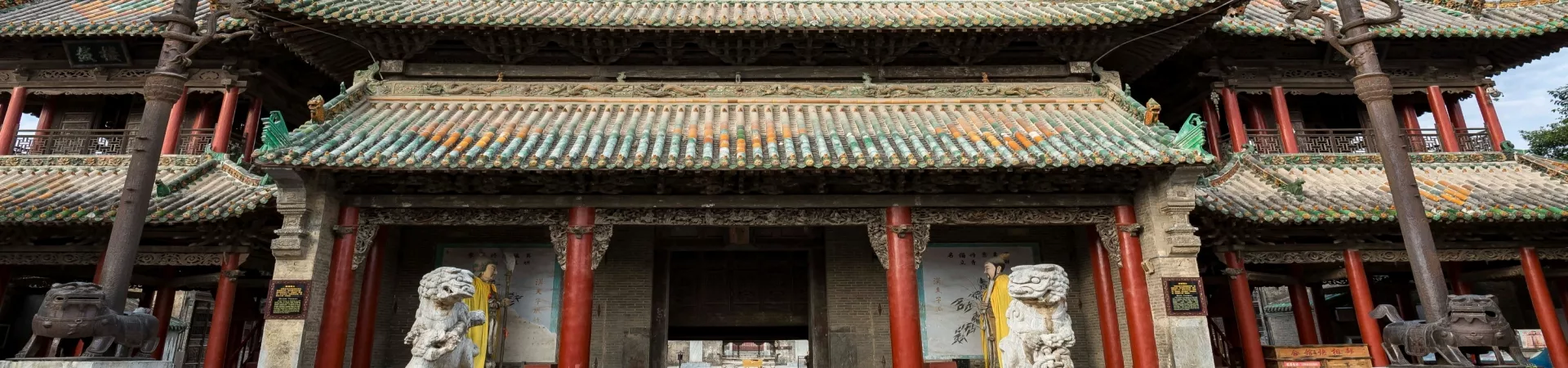
Subtitle: A Monument to Merchant Grandeur: Exploring the Sheqi Shan-Shaan Guild Hall
Introduction: The "First Under Heaven"
Nestled in the heart of Sheqi County, Nanyang City, stands an architectural masterpiece that whispers tales of immense wealth, cross-regional commerce, and exquisite artistry from China's imperial past. The Sheqi Shan-Shaan Guild Hall, a sprawling complex initiated in the 21st year of the Qing Dynasty Emperor Qianlong's reign (1756 AD), is far more than a collection of old buildings. It is a profound symbol of the economic and cultural power wielded by merchant guilds during the Ming and Qing dynasties. Recognized for its unparalleled scale, preservation, and artistic detail, it has been hailed by numerous national architectural and historical authorities as the "First Guild Hall Under Heaven." This designation speaks volumes about its significance, elevating it from a regional treasure to a pinnacle of Chinese guild hall architecture. Its importance is further cemented by its status as a Major Historical and Cultural Site Protected at the National Level, designated in the third group by China's State Council.
I. Historical Context and Purpose
1.1. The Rise of the Merchant Guilds To understand the guild hall, one must first understand the world that created it. During the Ming and Qing periods, merchants from Shanxi and Shaanxi provinces formed powerful commercial alliances known as bang. These networks dominated long-distance trade, particularly in tea, silk, salt, and finances, connecting northern China with central and southern regions. Sheqi (historically known as Sheqizhen) was a crucial hub along these trade routes, a bustling commercial town where goods and silver flowed abundantly.
1.2. More Than a Clubhouse: Functions of the Guild Hall The construction of this monumental hall served multiple, intertwined purposes for the Shan-Shaan merchant community: * A Spiritual Anchor: It was dedicated to Guan Yu, the deified general revered as a god of war and, more importantly for merchants, a symbol of loyalty, righteousness, and trustworthiness—the very pillars of successful business partnerships. * A Commercial Nexus: It functioned as a chamber of commerce, a place for negotiating deals, settling disputes, storing goods, and providing lodging for traveling merchants from their home provinces. * A Social and Cultural Center: It reinforced group identity, hosted festivals, offered support to fellow provincials, and served as a majestic statement of the guild's wealth, stability, and cultural sophistication to the local community and rival merchant groups.
II. Architectural Layout and Artistic Splendor
Covering an area of over 10,000 square meters, the guild hall is a remarkably complete and well-preserved example of Qing dynasty vernacular architecture, following the traditional Chinese courtyard complex layout along a north-south central axis.
2.1. The Grand Procession: Key Structures The visitor's journey is a carefully orchestrated progression through spaces of increasing grandeur: * The Glazed Screen Wall: The journey begins outside with an enormous, ornate screen wall (zhaobi) faced with vibrant glazed tiles. This wall served to ward off evil spirits and offered a breathtaking preview of the artistry within. * The Suspended Bell and Drum Towers: Flanking the main gate are two magnificent multi-story pavilions housing a massive bell and a giant drum. Their soaring presence immediately establishes a sense of power and ceremony. * The Main Gate and Theatrical Stage: Passing through the ornate main gate, one enters the first courtyard dominated by a monumental theater stage. This stage, facing the inner halls, underscores the importance of opera in merchant culture—used for entertaining gods, celebrating prosperity, and community gathering. * The Central Courtyards and Memorial Archways: Stone-paved courtyards connect the major halls, featuring ancient trees and towering flagpoles. Elaborately carved stone archways, often celebrating loyal wives or filial piety, stand as testaments to Confucian values the merchants upheld. * The Assembly Hall (Daxian Dian): This is the core functional space where guild members met, banqueted, and conducted business. Its grand scale and open layout are designed for congregation. * The Main Hall (Dadian): The spiritual and architectural climax of the complex. This hall housed the revered statue of Guan Yu and is the most lavishly decorated structure, featuring the highest roof forms permitted for non-imperial architecture.
2.2. A Symphony of Crafts: The "Three Excellences" The guild hall's fame rests on the breathtaking integration of three primary art forms: * Stone Carving (Excellent in Stone): From the foundational plinths and balustrades to the majestic archways, stone is transformed into a narrative medium. Dragons coil around pillars, lions guard entrances, and intricate scenes from mythology, history, and folklore are frozen in exquisite detail, demonstrating unparalleled craftsmanship. * Wood Carving (Excellent in Wood): The interior beams, brackets (dougong), friezes, and panels are a forest of carved wood. Stories from classics like Romance of the Three Kingdoms, symbolic animals, and floral motifs are rendered with such depth and vitality that they seem to breathe. The woodwork in the Main and Assembly Halls is particularly staggering. * Glazed Ceramics (Excellent in Glaze): The roofs are a dazzling sea of color. Myriads of glazed ceramic figurines, dragons, phoenixes, and immortals adorn the ridges and eaves. These components, fired at high temperatures, have retained their brilliant hues of amber, green, and blue for centuries, creating a stunning silhouette against the sky.
III. Practical Information for Visitors
3.1. Ticket and Opening Hours * Admission Fee: The entrance ticket is priced at 50 RMB per person. * Operating Schedule: The guild hall is open daily from 8:00 AM to 6:00 PM. The last admission is at 5:40 PM. This schedule is generally maintained throughout the year (January 1st to December 31st, Monday through Sunday). It is always advisable to confirm timings locally before your visit, especially during public holidays or for any potential seasonal adjustments.
3.2. Navigating the Experience A visit requires at least two to three hours to fully appreciate the scale and details. The complex is largely pedestrian, with stone pathways and steps. Visitors are encouraged to explore slowly, observing the carvings from different angles and distances—the overarching composition is as impressive as the minute details. The central location in Sheqi County makes it accessible, and the site itself serves as a peaceful oasis of history amidst the modern town.
IV. Legacy and Cultural Significance
The Sheqi Shan-Shaan Guild Hall transcends its original function as a merchant base. It stands today as an open-air museum of Qing dynasty economic history, architectural technology, and folk art. It encapsulates the spirit of an era when merchant culture became a dominant force, blending business acumen with deep spiritual belief and artistic patronage. Each courtyard, hall, carving, and tile tells a story of ambition, community, and a pursuit of beauty meant to honor both the divine and the mortal achievements of the Shan-Shaan bang. Its preservation allows modern visitors to walk the same paths as powerful merchants of old, offering a direct, visceral connection to a pivotal chapter in China's commercial and social history.