Nanyang Neixiang County Government Museum
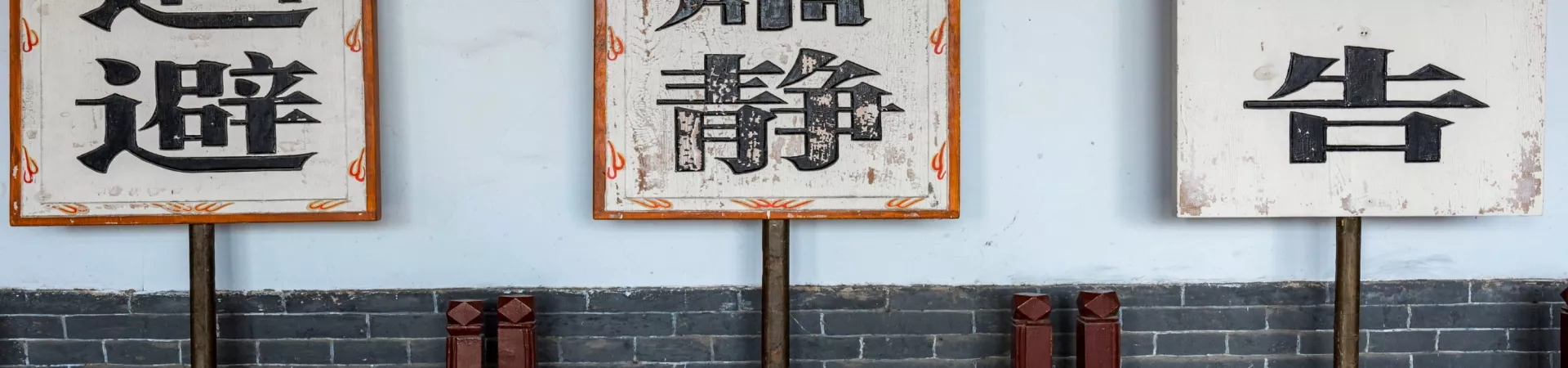
Subtitle: A Journey Through Time: Exploring the Architectural Grandeur and Cultural Legacy of China's Best-Preserved County Yamen
1. An Unparalleled Historical Treasure
Nestled on the north side of Dongdajie Street in Neixiang County's town center, facing south according to traditional principles, stands the Neixiang County Yamen Museum. This site holds a distinguished position in China's cultural heritage landscape. It is recognized as the sole, most completely preserved county-level government office complex from China's feudal era, earning its status as the nation's first dedicated Yamen museum. Its immense historical value was formally acknowledged in 1996 when the State Council designated it as a Major National Historical and Cultural Site. The museum is often celebrated through the evocative sayings, "If the Forbidden City is in the north, then the County Yamen is in the south," and "The dragon's head is in Beijing, its tail in Neixiang," highlighting its national significance as a counterpart to imperial architecture.
2. Historical Evolution and Architectural Scale
The original yamen at this site was first established in 1304 during the Yuan Dynasty's Dade era. However, the magnificent architectural ensemble visible today primarily dates from the Qing Dynasty. The complex is expansive, covering approximately 20,000 square meters and containing over 260 halls, rooms, and auxiliary buildings. This vast space allows for a comprehensive representation of a fully functional administrative seat.
2.1. The Central Axis and Functional Layout The layout rigorously adheres to the standard design for Qing-era local government offices, embodying profound traditional ritual principles. The core structures are arranged along a central north-south axis, demonstrating the "seat north, face south" orientation. The complex follows the "left civil, right military" arrangement for offices, maintains a clear division between "front court for official affairs, rear quarters for private residence," and strategically places the jail in the southern section. Key buildings along this axis include the Screen Wall (Zhaobi), the Declarations and Instructions Pavilion (Xuanhua Fang), the Main Gate, the Ceremonial Gate (Yimen), and the main hall structures. Beyond the central axis, the complex includes crucial facilities such as the Western Drawing Room (Xihua Ting), the Guest House (Yinbingguan), the kitchen and dining areas (Shanguan), the prison, and the various administrative offices known as the "Three Divisions and Six Boards" (Sanban Liufang).
3. A Symphony of Architectural Styles and Cultural Exhibition
3.1. A Unique Architectural Fusion The Neixiang Yamen's architecture is notable for its distinctive stylistic synthesis. While its fundamental plan follows strict official protocol, the personality of its builder left a lasting mark. The project was overseen by the then county magistrate, Zhang Bingtao, a native of Shaoxing, Zhejiang province, who held the fifth-rank official title. Influenced by his southern origins, Magistrate Zhang skillfully integrated architectural elements and aesthetics from both sides of the Yangtze River. The result is a complex that is grand in scale, meticulous in layout, and profound in atmosphere. It combines the solemnity and severity expected of a government seat with nuanced decorative touches, creating a sense of both awe and refined beauty.
3.2. Immersive Exhibitions on Yamen Culture Beyond its static architecture, the museum serves as a dynamic window into ancient Chinese local governance and social life. Utilizing the yamen's preserved spaces and a rich collection of historical artifacts, it has established 32 thematic exhibition rooms with a total display area of 3,600 square meters. These exhibitions delve deeply into the multifaceted "Yamen Culture," covering aspects such as the imperial examination system, official hierarchies, judicial procedures, rituals, and the daily life of magistrates and their staff. Through documents, clothing, instruments of punishment, furniture, and reconstructions, these displays bring to life the intricate workings of a county government, offering visitors a tangible connection to the past.
4. Practical Information for the Visit
The Neixiang County Yamen Museum is not merely a collection of old buildings; it is a meticulously preserved stage where the drama of local administration played out for centuries. Its unparalleled state of preservation, its harmonious blend of architectural styles, and its insightful cultural exhibitions make it an indispensable destination for anyone seeking to understand the machinery of traditional Chinese governance below the imperial level. A visit here is a step directly into the corridors of historical county power.
For inquiries, please contact: 0377-65333488