Nanyang Han Painting Museum
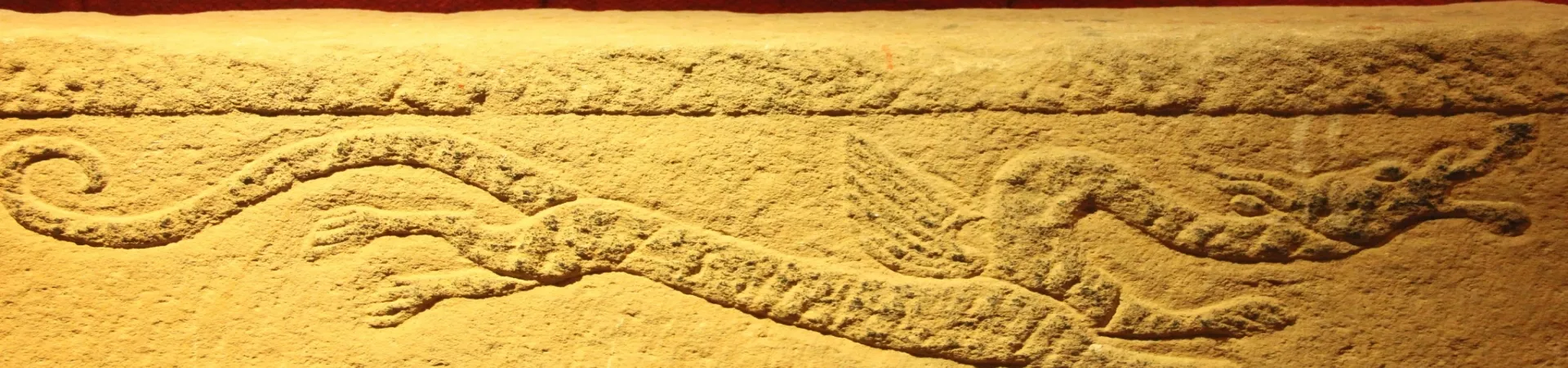
Subtitle: A Journey Through Stone: Unveiling the Grandeur of China's Premier Han Dynasty Pictorial Art Museum
1. Introduction: A Monument to an Era
Nestled in the cultural heartland of Nanyang City, Henan Province, the Nanyang Han Dynasty Pictorial Stone Carving Museum, commonly known as the Nanyang Han Painting Gallery, stands as a preeminent institution dedicated to preserving the silent yet eloquent art of the Han Dynasty (206 BCE – 220 CE). It holds the distinguished title of being China's earliest established, most extensively collected, and largest-scale museum specializing in Han pictorial stone reliefs. For any visitor seeking to understand the philosophical beliefs, social customs, and artistic zenith of the Han era, this museum offers an unparalleled, immersive portal into a world carved in stone.
2. Historical Evolution and Architectural Presence
2.1. A Legacy Spanning Decades The museum's journey began in October 1935, marking the start of its mission to safeguard these invaluable cultural relics. Throughout its history, the institution has undergone three significant relocations and expansions, each move reflecting growing academic recognition and an ever-increasing collection. This evolution culminated in the inauguration of the current, modern facility in December 1999. This new chapter not only provided a state-of-the-art home for the stones but also signaled a renewed commitment to public engagement and scholarly research.
2.2. Accolades and Recognition The quality and presentation of the museum have garnered national acclaim. In 2000, its exhibition design was honored with the "National Top Ten Fine Exhibition Awards of the Year." A pinnacle of institutional recognition was achieved in 2008 when the National Cultural Heritage Administration designated it as a National First-Class Museum, placing it among China's most significant cultural repositories. Furthermore, in a move to ensure universal access to this heritage, the museum has offered free admission to all visitors since May 18, 2009.
3. The Collection: A Universe in Stone
3.1. Scale and Significance The core of the museum's prestige lies in its breathtaking collection, which now comprises over two thousand Han pictorial stones. This vast assembly makes it the largest repository of its kind in the world. Each stone slab, once integral to tomb architecture or ceremonial structures, serves as a frozen frame of Han life and afterlife beliefs.
3.2. Themes and Iconography The reliefs are celebrated for their vigorous artistic style, bold compositions, and rich, narrative content. They can be broadly categorized into several captivating themes:
3.2.1. Mythology and Cosmology Here, visitors encounter a vivid pantheon and cosmic order. Images of the Queen Mother of the West (Xiwangmu), the Sun Crow, the Moon Toad, and the legendary Fuxi and Nüwa deities illustrate the Han people's spiritual worldview and their quest for immortality.
3.2.2. Social Life and Historical Narratives The stones come alive with scenes of daily existence and legendary tales. Detailed depictions include lively banquets, spirited musical and dance performances, thrilling acrobatics, intense hunting expeditions, and agricultural activities. Historical stories, such as loyal ministers and filial sons, were also popular subjects, serving both decorative and didactic purposes.
3.2.3. Astronomy and Auspicious Symbols The Han fascination with the heavens is evident in carvings of constellations and celestial phenomena. Additionally, a plethora of auspicious animals—like dragons, phoenixes, and unicorns—and intricate geometric patterns adorn the stones, symbolizing prosperity, protection, and cosmic harmony.
4. Practical Visitor Information
4.1. Location and Transportation The museum is located in Nanyang City. Visitors can easily reach it by public bus; taking Bus No. 16 and alighting at the "Hanhuaguan" (Han Painting Gallery) station is the most direct route. For those driving, the museum is accessible via major city roads such as Chezhan South Road and Hanhua Road.
4.2. Opening Hours Operating hours vary seasonally to accommodate daylight and visitor patterns: * Summer Season (June 1 - August 31): * Tuesday to Sunday: 8:30 - 17:30 (last admission at 16:30). * Monday: All day (specific hours may apply, check ahead). * Winter Season (December 1 - February 28/29): * Tuesday to Sunday: 8:30 - 16:30 (last admission at 16:30). * Monday: All day (specific hours may apply, check ahead). It is always advisable to confirm the latest schedule before your visit.
4.3. Admission and Facilities As a public service institution, the museum has maintained a free admission policy since 2009. However, visitors are encouraged to inquire at the景区 (scenic area) for the most current details regarding ticketing procedures, such as online reservation systems which are common for managing visitor flow. The modern facility is equipped to provide a comfortable educational experience, though specific amenities should be confirmed on-site.
4.4. Suggested Duration To fully appreciate the scope and detail of the exhibitions, a visit of approximately 1 to 3 hours is recommended. This allows sufficient time to contemplate the major galleries and grasp the profound historical narratives encapsulated within the stone reliefs.