Danjiang Scenic Area - Sitting Zen Valley
Subtitle: A Sanctuary of Zen and Natural Splendor Along the Danjiangkou Reservoir
1. Introduction: The Hidden Gem of Danjiang Nestled within the dense, tranquil forests on the western shore of the Danjiangkou Reservoir—Asia's largest artificial freshwater lake—lies the serene and spiritually resonant Zuochangu Scenic Area. This destination is far more than a picturesque landscape; it is a place where profound Buddhist heritage harmonizes with breathtaking natural beauty. Its very name, "Zuochangu" or "Sitting Meditation Valley," is derived from its historical role as the meditation retreat for Master Huizhong, the founding patriarch of the renowned Xiangyan Temple, one of the four great temples of Central China (Zhongzhou) and a nationally protected cultural relic. This deep spiritual foundation, combined with its status as part of the water source for the monumental South-to-North Water Diversion Project, elevates Zuochangu to a focal point of cultural and ecological significance, truly making it a shining pearl within the broader Danjiang Scenic Region.
2. The Spiritual Heart: Buddhist Heritage and Xiangyan Temple 2.1. The Legacy of Master Huizhong The soul of Zuochangu is inextricably linked to Master Huizhong, a celebrated National Teacher (Guoshi) in Tang Dynasty China. Seeking ultimate peace and enlightenment, he chose the secluded valleys and caves of this area for deep, prolonged meditation. His practice sanctified the land, establishing an enduring aura of tranquility and spiritual pursuit that continues to permeate the atmosphere centuries later.
2.2. Connection to Xiangyan Temple This sacred history is directly connected to the nearby Xiangyan Temple, a site of immense cultural and architectural importance. As the mother temple associated with Zuochangu, Xiangyan Temple's prestige adds layers of historical depth to a visit. Pilgrims and visitors often perceive a journey to Zuochangu as a walk in the footsteps of ancient masters, exploring the natural sanctuary that fueled one of Buddhism's significant lineages in the region. The valley thus serves as a living extension of the temple's spiritual domain.
3. A Tapestry of Natural Wonders 3.1. Waterfalls and Pools The valley's geology creates a dynamic water landscape. Numerous cascades and serene pools are fed by the area's abundant springs and the hydrological influence of the vast Danjiangkou Reservoir nearby. These water features range from gentle, murmuring streams to impressive waterfalls that plunge into clear, emerald basins. The sight and sound of flowing water are constant companions along the trails, enhancing the sense of natural purity and calm.
3.2. Unique Karst Formations and Caves Beyond the water, the area showcases fascinating karst topography. Visitors can explore various caves and grottoes, some of which are believed to have been used by meditating monks. These geological formations, with their intriguing shapes and cool, quiet interiors, add an element of exploration and wonder to the scenic experience.
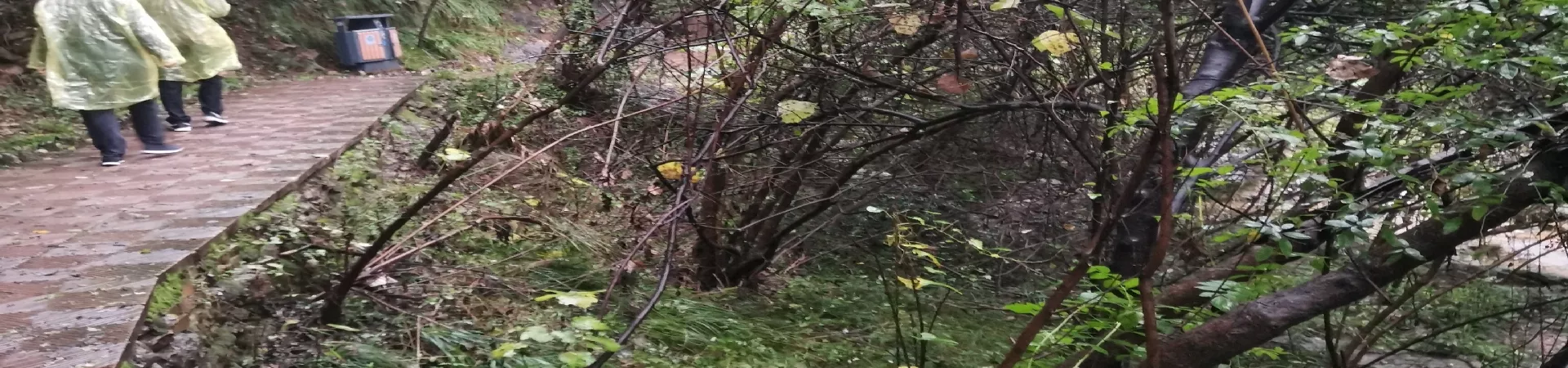
3.3. Lush Forest Ecosystem The "deep mountains and dense forests" described in its introduction form a vibrant green canopy. This ecosystem supports diverse flora and fauna, offering shaded, fragrant hiking paths. The air is notably fresh, and the dense woodland provides a habitat for birds and other wildlife, making it an ideal spot for nature lovers and those seeking respite from urban environments.
4. The Ecological and Engineering Marvel: Danjiangkou Reservoir 4.1. A Vast Aquatic Backdrop Zuochangu's location adjacent to the Danjiangkou Reservoir is not merely geographical but central to its identity. The reservoir's immense, blue expanse is often visible from higher vantage points within the valley, creating a stunning contrast between the intimate forest setting and the vast, engineered lake. This proximity to such a major body of water also moderates the local microclimate.
4.2. Role in the South-to-North Water Diversion Project Perhaps its most significant contemporary relevance is Zuochangu's position within the watershed that feeds the central route of China's South-to-North Water Diversion Project. This monumental engineering effort, which channels water from the Danjiangkou Reservoir to northern cities including Beijing, highlights the area's critical ecological importance. Visitors are thus walking through a protected zone that is vital for water quality and conservation, adding a layer of modern environmental significance to the ancient spiritual landscape.
5. Practical Visitor Information 5.1. Admission and Contact Details * Ticket Price: 45 RMB per person. * Contact Telephone: +86 377 69386666 (For inquiries, group bookings, or further information).
5.2. Operating Hours It is crucial for visitors to note the seasonal variation in opening hours: * Summer Schedule (June 1st - August 31st): Open from 7:00 AM to 6:00 PM daily. Last admission is at 6:00 PM. * Winter Schedule (December 1st - February 28th of the following year): Open from 7:30 AM to 5:30 PM daily. Last admission is at 5:00 PM. * Note: Hours for spring and autumn (outside the above periods) may vary; it is advisable to confirm in advance.
5.3. Suggested Experience To fully appreciate Zuochangu, allocate several hours for a leisurely hike. The journey is as much about internal reflection as external observation. Follow the paths past waterfalls and caves, breathe the clean air, and contemplate the same natural beauty that inspired deep meditation over a millennium ago. The fusion of tangible history, spiritual ambiance, and pristine ecology makes a visit here a uniquely restorative experience for both mind and body.