Sutong Bridge
Subtitle: An Engineering Marvel Connecting Cities and Cultures
1. Introduction: A Bridge to New Horizons
Spanning the mighty Yangtze River, the Sutong Bridge is not merely a conduit for vehicles; it is a powerful symbol of China's rapid modernization, a testament to human ingenuity, and a transformative link between the dynamic city of Nantong and the global metropolis of Shanghai. For the visitor, it represents both a breathtaking spectacle to behold and a critical piece of infrastructure that has reshaped the economic and cultural landscape of the Jiangsu region. This guide delves into the bridge's significance, its awe-inspiring engineering, and the practical information for those wishing to witness this contemporary wonder.
2. Engineering and Architectural Significance
2.1. A Record-Holding Giant Upon its completion in 2008, the Sutong Bridge seized multiple world records, cementing its status as a landmark of 21st-century engineering. Most notably, it features the longest cable-stayed main span of any bridge in the world at that time, stretching an astonishing 1,088 meters (3,570 feet) between its two monumental towers. This design was not an arbitrary choice but a necessary solution to accommodate the heavy maritime traffic on one of the world's busiest waterways below.
2.2. The Pillars of Strength: The Twin Towers The bridge's most iconic features are its twin diamond-shaped pylons, each soaring to a height of 306 meters (1,004 feet). These are not just supports; they are architectural marvels designed to withstand the region's complex environmental challenges, including typhoon-force winds, seismic activity, and the powerful currents of the Yangtze. The intricate network of steel cables fanning out from these towers creates a visually stunning harp-like silhouette against the sky, a sight particularly mesmerizing at sunrise or sunset.
2.3. A Foundation of Innovation The construction of the bridge presented formidable challenges, particularly in laying its foundation in the deep, soft alluvial soil of the riverbed. Engineers employed pioneering techniques, driving the world's largest and longest steel pipe piles to create a stable base for the towers. This invisible yet crucial aspect of the bridge's construction is a key part of its engineering legacy, demonstrating how innovation solved some of the most difficult problems in bridge building.
3. The Bridge as a Travel Experience
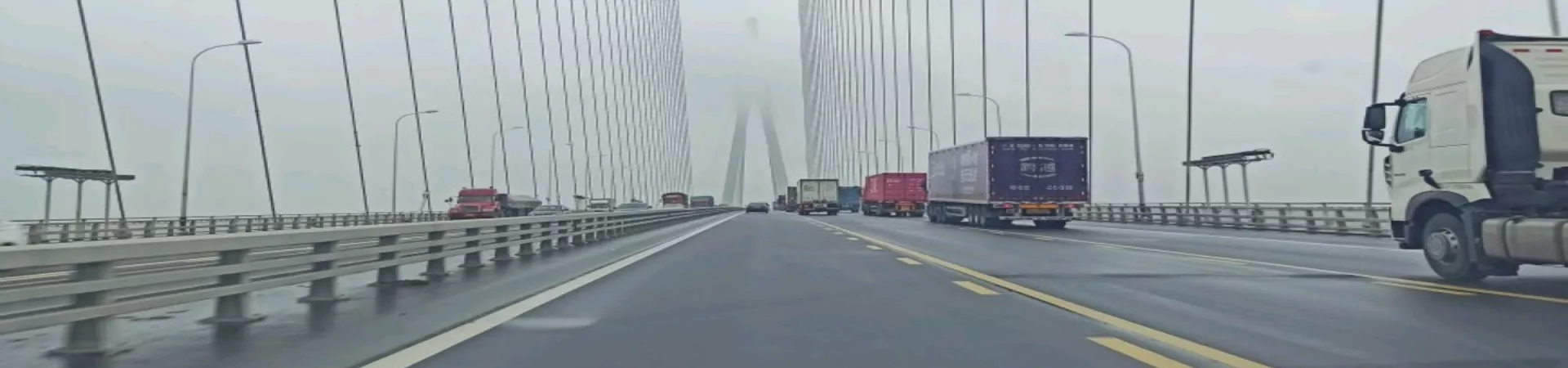
3.1. The Crossing: A Journey with a View Driving across the Sutong Bridge is an experience in itself. The 8.2-kilometer (5.1-mile) journey offers panoramic vistas of the vast Yangtze River, with its constant flow of cargo ships and barges. As you ascend the approach, the scale of the structure becomes overwhelming, and from the apex of the main span, you are treated to a unique perspective of the river's expanse, connecting the viewer to the vital economic lifeblood of eastern China.
3.2. Viewing from Afar: The Best Vantage Points For those who wish to appreciate the bridge's full grandeur without crossing it, several excellent vantage points exist on both banks. In Nantong, the riverside parks and promenades provide a fantastic setting for photography, especially when the bridge is illuminated at night. The contrast of its elegant, lit structure against the dark sky and water is a spectacular sight. Consider taking a short river cruise to gain a unique, low-angle perspective of the colossal towers and span.
4. Practical Visitor Information
4.1. Visiting Hours and Access The Sutong Bridge is a fully operational piece of transportation infrastructure. Therefore, it does not have "operating hours" in the traditional tourist-attraction sense. * Access for Vehicles: The bridge is open 24 hours a day, 7 days a week, year-round. It forms part of the G15 Shenyang–Haikou Expressway, and access is governed by standard highway regulations and tolls for vehicles. * For Pedestrians and Cyclists: It is important to note that the bridge is not accessible to pedestrians or bicycles. For safety and security reasons, the only way to experience the bridge directly is by being in a motor vehicle.
4.2. Admission and Tolls * Tourist Admission: There is no admission fee or ticket to view the bridge from public areas such as the riverbanks or parks in Nantong or on the Suzhou side. * Vehicle Tolls: If you are driving across the bridge, a standard highway toll applies for your vehicle class. This toll is collected as part of the expressway network system and is not a specific "bridge ticket."
4.3. Contact Information For general inquiries about the bridge, particularly related to its status as a piece of infrastructure (e.g., traffic conditions, official name), you can contact the relevant provincial transportation authorities. A general contact number for regional information is +86-513-62234397.