Nantong University
Subtitle: A Comprehensive Visitor's Guide to Nantong University, Jiangsu
1. Introduction: An Intellectual Beacon by the Yangtze River
Nantong University (NTU), situated in the historically rich and economically vibrant city of Nantong, Jiangsu Province, stands as a pivotal institution of higher learning and a significant cultural landmark. For the visitor—whether a prospective student, an academic collaborator, a history enthusiast, or a curious traveler—the university offers more than just an academic environment; it presents a microcosm of Nantong's unique blend of modern ambition and profound historical legacy. Founded through the merger of several local institutions, with roots tracing back to the early 20th century, NTU embodies the educational spirit championed by Zhang Jian, Nantong's famed industrialist and modernizer. A visit here is not merely a tour of a campus but an immersion into the story of a city's transformation and its ongoing commitment to knowledge, innovation, and cultural preservation.
2. Campus Layout and Architectural Harmony
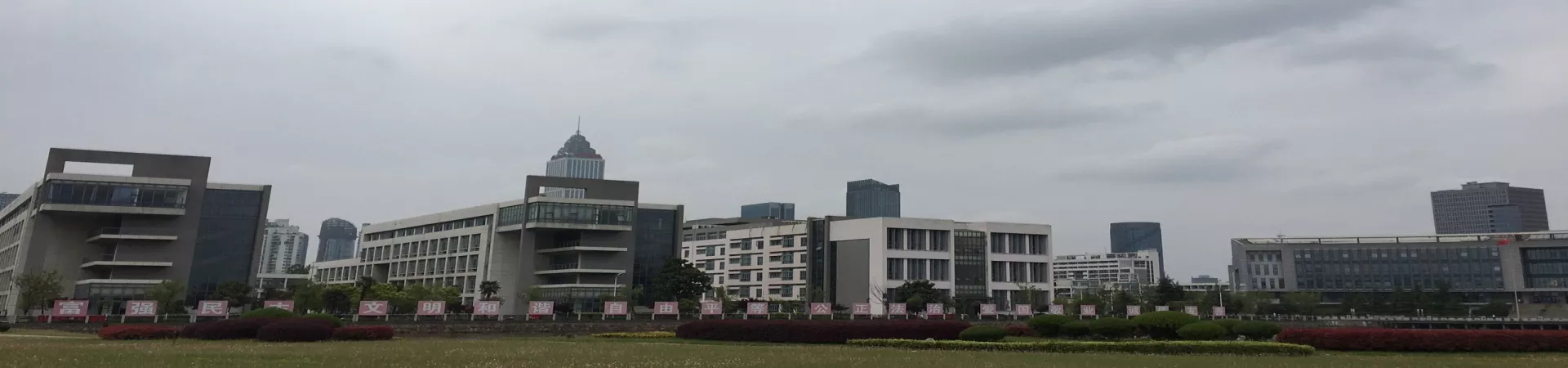
2.1. Main Campuses: Qixiu and Zhongxiu The university primarily operates across several campuses, with the Qixiu and Zhongxiu campuses being the most prominent and frequently visited. The Qixiu Campus often serves as a representative face of the university, featuring a blend of functional modern buildings and thoughtful landscaping. It houses key administrative offices, numerous academic colleges, and student activity centers. The Zhongxiu Campus, with its own distinct character, complements this by hosting other vital faculties and research institutes. The layout is designed to facilitate both rigorous study and serene contemplation, with ample green spaces, pedestrian walkways, and artificial lakes that add to the aesthetic and tranquil atmosphere.
2.2. Architectural Highlights and Green Spaces Architecturally, NTU does not overwhelmingly lean towards a single historical style but instead presents a practical and evolving academic landscape. However, one can find buildings that reflect the solid, scholarly architecture prevalent in Chinese university construction. The true architectural charm often lies in the integration of the campus with its natural environment. Visitors are encouraged to stroll around the Liben Lake area or through the campus arboretums, where the careful landscaping provides a peaceful retreat. The university's library, typically a central and imposing structure, is not only a hub of student activity but also a symbol of the institution's dedication to learning.
3. Points of Interest for the Visitor
3.1. The Nantong University Museum & Zhang Jian Memorial Hall No visit to NTU is complete without understanding its foundational history, deeply intertwined with the city's own modernization. The Nantong University Museum or dedicated exhibition halls, often located within the library or a separate cultural building, showcase the university's century-long journey. Artifacts, photographs, and documents chart its development from its early predecessors. Crucially, this narrative is inseparable from Zhang Jian. Many campuses feature a statue or memorial corner dedicated to Zhang Jian, and some may have specific exhibition rooms detailing his philosophy of "using education to save the nation" and his role in founding Nantong's early educational institutions, which are the bedrock of today's NTU.
3.2. Academic and Cultural Atmosphere Beyond physical sites, the intangible atmosphere is a key attraction. Visitors can sense the vibrant student life by observing activity around the sports fields, student union buildings, and canteens. The university frequently hosts public lectures, academic conferences, and cultural festivals (such as art shows, music performances, and science fairs), some of which may be open to the public. Checking the university's event calendar beforehand can lead to enriching experiences. The campus bookstore is also a worthwhile stop, offering publications from university presses and local authors.
3.3. Scenic Vistas and Relaxation Zones For those seeking picturesque views or a quiet moment, several spots on campus are ideal. The areas surrounding water features like ponds or small lakes are particularly popular for photography and relaxation. The university's gardens and tree-lined avenues are meticulously maintained, offering beautiful scenes especially during the spring blossom season or the golden autumn. These spaces reflect the Chinese concept of a scholarly garden, fostering harmony between study and nature.
4. Practical Visitor Information and Integration with Nantong
4.1. Location and Transportation Nantong University's main campuses are strategically located within Nantong City. The Qixiu Campus is in the Chongchuan District, relatively accessible from downtown. Visitors can utilize Nantong's public bus system, with several lines having stops near campus gates. Taxis and ride-hailing services (like Didi) are widely available and convenient. For those driving, the university is well-connected to the city's road network, and visitor parking may be available, though it's advisable to confirm specific campus regulations.
4.2. Visiting Hours and Access * General Grounds Access: The outdoor areas of the university campuses, including gardens, walkways, and external squares, are generally accessible to the public throughout the day. There are no strict opening or closing hours for the campus perimeter, allowing for leisurely strolls during daylight and early evening hours. * Building Access: Access to internal buildings such as teaching blocks, administrative offices, libraries, and laboratories is typically restricted to students, faculty, and staff with university identification. Visitors wishing to enter specific buildings, especially the library or museums, should seek prior permission from the relevant university department or inquire at the campus security office. Special public exhibitions or open-day events are exceptions to this rule.
4.3. Suggested Etiquette for Visitors As a working academic institution, respecting the scholarly environment is paramount. Visitors are encouraged to: maintain a quiet demeanor, especially near teaching and residential buildings; dispose of litter properly; refrain from disturbing classes or research activities; and follow any posted guidelines or instructions from campus security. Photography is generally permitted in outdoor public areas but should be conducted discreetly and without interrupting university operations.
4.4. Linking the Visit to a Broader Nantong Itinerary A trip to Nantong University fits seamlessly into a broader exploration of Nantong. It can be effectively combined with visits to other sites related to Zhang Jian's legacy, such as the Hao River Scenic Area, the Nantong Museum, and the former site of Dasheng Cotton Mill. The university's location also makes it a convenient stop before or after exploring Nantong's modern urban centers, the Wolf Mountain (Langshan) scenic area with its ancient temples, or the Nantong濠河 (Haohe River) night cruise. This integration allows visitors to appreciate NTU not as an isolated entity but as a living, breathing part of Nantong's continuous historical narrative and its future-oriented dynamism.