Dinghui Zen Temple
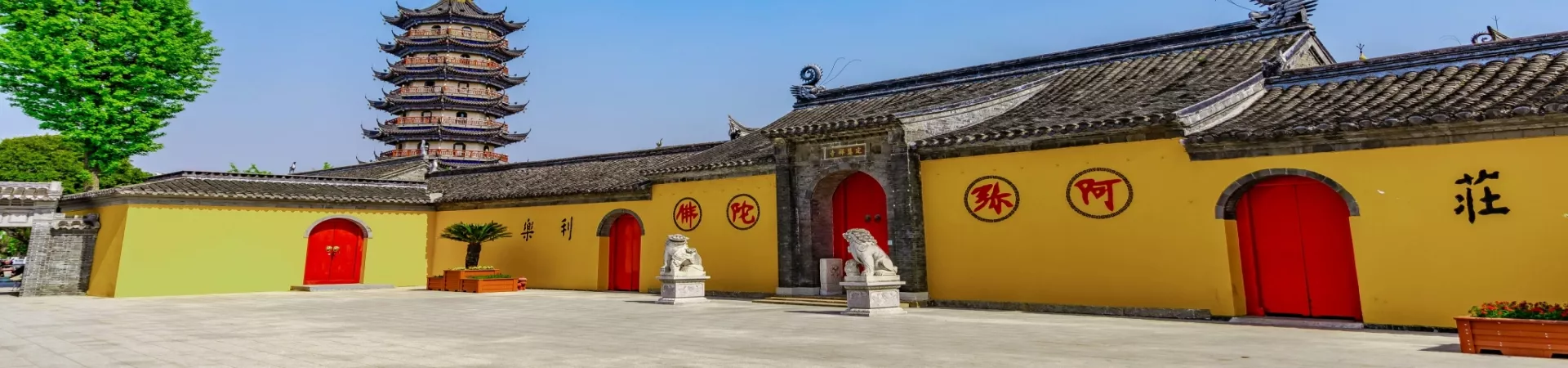
A Visitor's Guide to Nantong's Dinghui Chan Temple
Nestled within the bustling, modern city of Nantong in Jiangsu Province, the Dinghui Chan Temple stands as a serene sanctuary of history, architecture, and spiritual practice. More than just a tourist site, it is a living center of Buddhist culture that has witnessed the ebb and flow of centuries. This guide provides detailed information to help you plan a meaningful and enriching visit to this important temple complex.
A Glimpse into History and Significance
The Dinghui Chan Temple's origins are deeply intertwined with the history of Nantong itself. Founded during the Sui Dynasty (581-618 AD), a period of significant Buddhist expansion in China, the temple has endured over 1,400 years of change. It has been destroyed and rebuilt multiple times through wars and natural disasters, most notably during conflicts in the Ming Dynasty and the Taiping Rebellion. Each reconstruction has added layers to its story.
The temple's name, "Dinghui," carries profound meaning. It can be translated as "Samadhi and Wisdom," two fundamental pillars of Buddhist practice. "Samadhi" refers to deep, meditative concentration, while "Wisdom" is the insight into the true nature of reality. Thus, the temple is not merely a physical structure but a place dedicated to cultivating inner peace and understanding. Its survival and continued reverence make it one of the most significant ancient Buddhist sites in the region, offering a tangible connection to China's long spiritual heritage.
Architectural Layout and Key Halls
The temple follows a traditional Chinese Buddhist monastery layout along a central north-south axis, with courtyards and halls arranged in a harmonious, symmetrical order. This design symbolizes a spiritual journey from the mundane world towards enlightenment.
The Heavenly King Hall (Shanmen & Tianwang Dian) Your visit begins at the mountain gate (Shanmen), which leads into the first major hall, the Hall of the Heavenly Kings. Here, you are greeted by the magnificent statue of Maitreya Buddha (the Future Buddha), depicted with a joyful belly. Flanking the sides are the Four Heavenly Kings, formidable guardians who protect the Dharma (Buddhist teachings) and watch over the four cardinal directions. At the back of this hall stands the statue of Skanda, a devoted protector of Buddhist monasteries.
The Grand Hall (Daxiong Baodian) The architectural and spiritual heart of the complex is the Grand Hall, or Mahavira Hall. This is the most important building in any Buddhist temple. Inside, the central figure is Sakyamuni Buddha, the historical founder of Buddhism. To his left is the Medicine Buddha, and to his right is Amitabha Buddha. The hall is often used for major ceremonies and chanting sessions. The intricate woodwork, altars, and religious artifacts here are particularly noteworthy.
The Guanyin Hall (Guanyin Dian) Dedicated to Guanyin, the Bodhisattva of Compassion and Mercy, this hall is a focal point for many devotees. Guanyin is one of the most beloved figures in East Asian Buddhism, believed to hear the cries of all beings and offer assistance. The hall provides a quieter space for personal prayer and reflection.
The Buddhist Texts Library (Cangjing Lou) and Other Structures Beyond the main axis, the temple grounds include other important structures such as the Bell and Drum Towers, used to mark time for the monastic community, a pagoda, and living quarters for monks. The Buddhist Texts Library historically housed sutras and sacred writings. The entire complex is adorned with ancient trees, stone steles (inscribed tablets), and serene gardens that enhance the atmosphere of tranquility.
Practical Information for Your Visit
Location and Access Dinghui Chan Temple is located in Chongchuan District, near the center of Nantong city. It is easily accessible by public bus, taxi, or ride-sharing services from anywhere in the urban area. Its central location makes it convenient to combine with a visit to other nearby attractions like the Haohe River or Nantong Museum.
Opening Hours and Admission * Opening Hours: 5:00 AM to 5:00 PM daily. * Last Admission: 5:00 PM. * Admission Fee: A small fee of 20 RMB is required for entry. This fee contributes to the maintenance and preservation of the ancient temple complex.
It is advisable to arrive earlier in the day to experience the temple in a quieter state, especially to observe or listen to the morning chanting rituals of the resident monks.
The Temple as a Living Community
A visit to Dinghui Chan Temple is an opportunity to observe contemporary Buddhist practice. You may see monks and nuns going about their daily routines, from meditation and scripture study to maintaining the temple grounds. If your visit coincides with a Buddhist festival (such as Buddha's Birthday or the Guanyin Festival), you might witness special, colorful ceremonies filled with chanting and incense.
Tips for a Respectful Visit 1. Dress Modestly: As a place of worship, appropriate attire is expected. Avoid sleeveless tops, short shorts, or skirts. 2. Observe Quietly: Speak in a hushed tone and silence mobile phones to preserve the peaceful environment. 3. Photography: Be discreet when taking photos, especially of worshippers or during ceremonies. Look for signs indicating if photography is prohibited inside certain halls. 4. Following Rituals: If you wish to participate in rituals like lighting incense or making offerings, observe how locals do it first. Typically, one lights three sticks of incense, holds them with both hands, makes a silent prayer, and places them in the incense burner.
A journey to Dinghui Chan Temple is more than a sightseeing stop; it is an immersion into a timeless space where history, art, and spirituality converge. It offers a moment of respite from the modern world and a chance to contemplate the profound cultural traditions that have shaped this part of China.