Xiamei Ancient Residential Complex
Subtitle: A Journey Through Time in the Shadow of Wuyi Mountains
1. Introduction: The Cradle of Tea and Tradition Nestled approximately 12 kilometers southeast of Wuyishan City, within the jurisdiction of Wuyi Town, lies the enchanting ancient village of Xiamei. Far more than a mere collection of old houses, Xiamei is a living, breathing museum of history, architecture, and culture. Its story is deeply intertwined with the legendary Wuyi Mountains and the global tea trade, serving as a vital starting point on the ancient "Wanli Tea Road" that connected China to Russia and Europe. For centuries, this village was a bustling hub where tea merchants amassed fortunes and built exquisite family compounds, leaving behind a legacy etched in wood, stone, and the very fabric of local life. A visit to Xiamei is not just a sightseeing trip; it is an immersive step back into the prosperous era of the Ming and Qing dynasties, offering a rare glimpse into the sophisticated merchant culture that flourished in this picturesque corner of Fujian Province.
2. The Heart of the Village: Architecture and Layout The soul of Xiamei is its meticulously preserved urban plan and stunning vernacular architecture, which together create an atmosphere of serene, timeless beauty.
2.1. The Lifeline: Dangxi Canal The defining feature of Xiamei is the serene Dangxi Canal, an artificial waterway that bisects the village. Stretching over 900 meters in length, this canal was not merely decorative; it was the economic artery of Xiamei. During the village's heyday, tea chests and goods were loaded and unloaded directly from the merchant houses that line its banks onto boats, facilitating efficient transport. Today, its calm, reflective waters mirror the elegant silhouettes of the ancient dwellings, creating a quintessential and photogenic Southern Chinese watertown scene.
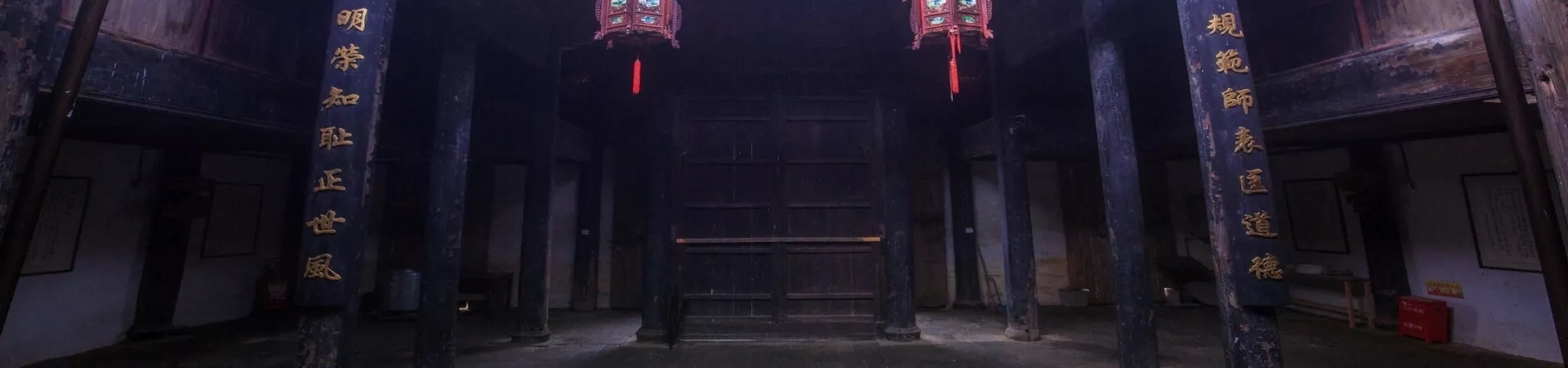
2.2. Architectural Masterpieces: The Ancient Dwellings Flanking the Dangxi Canal are rows of magnificent ancient residences, representing the pinnacle of Ming and Qing dynasty residential architecture. These compounds, built by successful tea merchants, are characterized by their "Siyan, Sanjin, or Wujin" layouts—enclosed structures with multiple courtyards and halls progressing along a central axis. * Zouma Lou (Galloping Horse Building): This is one of the most iconic structures, famed for its intricate wood carvings, elegant brick reliefs, and spacious courtyards. The name itself suggests a compound so vast one could ride a horse through it. * Dafu Di (The Mansion of the High Official): Another architectural gem, showcasing the wealth and social status of its original owners through its grand scale, exquisite detailing, and sophisticated use of space. * Common Features: Across all residences, visitors can admire the remarkable craftsmanship in the form of ornate window lattices, symbolic stone carvings on door frames, beautifully painted beams, and classic grey-tiled roofs with sweeping swallowtail eaves. Each detail, from the layout emphasizing family hierarchy to the decorations conveying wishes for prosperity and happiness, tells a story of the era's aesthetics and values.
2.3. The Historic Fabric: Streets, Wells, and Wharves Complementing the grand houses are the authentic elements of daily life that complete the historical tapestry: * The Ancient Street: A flagstone path running alongside the canal, once bustling with merchants and traders, now invites leisurely strolls. * Ancient Wells and Wharves: Scattered throughout the village, these wells provided essential water, while the small wharves along Dangxi are silent witnesses to the once-vibrant commercial activity. * Ancient Market: The remnants of the old marketplace hint at the village's past role as a commercial center, where tea was not just processed but also traded and sold.
3. Practical Information for Visitors To ensure a smooth and enjoyable visit to Xiamei Ancient Village, please note the following practical details.
3.1. Admission and Hours * Ticket Price: The standard admission ticket is 50 RMB for adults. It is advisable to inquire directly for potential discounts for student groups, seniors, or organized tour groups, as prices and policies may be subject to negotiation and change. * Operating Hours: The village is open to visitors daily from 7:30 AM to 6:00 PM, with the last admission at 6:00 PM.
3.2. Suggested Duration and Transportation * Time Recommended: Allocate approximately 1 to 3 hours to fully appreciate the village's ambiance, explore the key residences, and wander along the canal at a relaxed pace. * Getting There: Xiamei is most conveniently accessed from Wuyishan City. Visitors can hire a taxi for a direct journey (approximately 20-30 minutes) or join a local tour. Public bus options may be available but schedules can be infrequent; verifying current routes in advance is recommended.
4. Experiencing the Living Culture Beyond the physical structures, Xiamei's true charm lies in its enduring cultural atmosphere.
4.1. Intangible Heritage and Local Customs The village retains a palpable sense of traditional life. While modernized in some aspects, one may still observe longstanding local customs and a slower pace of life. The preservation of these intangible cultural elements—from traditional festivals to everyday practices—adds a profound depth to the visitor experience, connecting the architectural splendor to the human stories that created it.
4.2. The Legacy of Tea No visit is complete without acknowledging the reason for Xiamei's historical wealth: Wuyi Mountain tea, particularly the renowned Oolong varieties like Da Hong Pao and Shui Xian. The architecture you see was funded by the tea trade. Visitors can often witness tea processing demonstrations or enjoy a tasting session in one of the village's shops or homes, directly linking the serene environment to its dynamic commercial past.
4.3. Tips for an Enhanced Visit * Guided Tours: Consider hiring a local guide at the entrance. Their insights into the symbolism of carvings, the histories of the merchant families, and fascinating anecdotes will greatly enrich your understanding. * Photography: The best light for photography is often in the early morning or late afternoon, when the sunlight softens the ancient facades and the canal becomes especially reflective. * Respectful Exploration: Remember that parts of Xiamei remain a living community. Be respectful when photographing residents or peeking into courtyards that are private homes.