Mount Wuyi hanging coffin
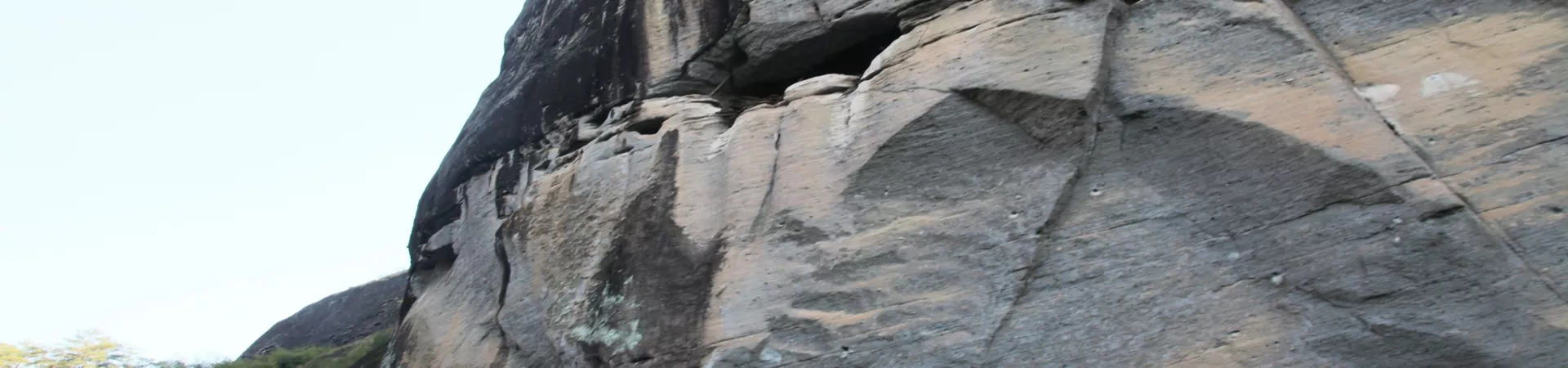
Subtitle: Unveiling the Ancient Mystery: A Journey to the Hanging Coffins of Wuyishan
1. An Aerial Enigma: Introduction to the Hanging Coffins
Drifting along the serene bends of the Nine-Bend Stream (Jiuqu Xi) in Wuyishan, Fujian, visitors are often drawn to a sight that defies easy explanation. High upon the towering sandstone cliffs, nestled within natural fissures and man-made caves, rest ancient wooden coffins, silent and suspended between earth and sky. These are the Wuyishan Hanging Coffins, known locally as "Jiahe Chuanguan" or "Boat Coffins on Cliff Shelves." They are not merely archaeological curiosities; they are poignant relics of the ancient Baiyue peoples, specifically the Minyue tribe who inhabited this region over 3,000 years ago during the Shang and Zhou dynasties. This unique burial practice, which persisted for centuries, transforms the majestic landscape into an open-air museum of anthropology and spiritual belief, inviting travelers to ponder the profound cultural depths of ancient China.
2. The "Boat Coffins" and the Minyue People: A Cultural Insight
2.1. Form and Function: Why "Boat Coffins"? The name "boat coffin" is strikingly literal. Many of these coffins are carved from a single, massive log of nanmu (a durable, precious hardwood), meticulously hollowed out and shaped to resemble a dugout canoe or a wooden house with a pitched roof. This distinctive form is the key to understanding the beliefs of the Minyue people. For a tribe likely adept at navigating the region's waterways, the boat was a vital symbol of life's journey. Scholars posit that the coffin's shape was intended to carry the deceased's soul safely to the afterlife or the realm of the ancestors. Placing these "soul boats" high on cliffs was believed to bring the departed closer to the heavens, protecting them from floods, wild animals, and desecration, thereby ensuring eternal peace and demonstrating deep filial piety.
2.2. The Daunting Question: How Were They Placed There? The logistical challenge of the hanging coffins is a central part of their mystery. Positioned on sheer cliff faces, often 30 to 50 meters above the river or ground, their installation remains a topic of debate. The most plausible theory involves a combination of techniques: ancient engineers may have constructed temporary scaffolding from the top of the cliff downwards, used ropes and pulleys to lower coffins from above, or perhaps navigated primitive wooden platforms from the river during seasonal floods. The effort required was monumental, reflecting the immense social status of the individuals interred within—likely chieftains, shamans, or revered elders—and the supreme importance the community placed on this final rite.
3. Experiencing the Mystery: A Visitor's Perspective
3.1. The View from the Nine-Bend Stream Bamboo Raft The most iconic and accessible way to view the hanging coffins is from a traditional bamboo raft on the Nine-Bend Stream. As your skilled boatman navigates the clear, gentle waters, he will point out the distant, dark shapes lodged in the cliffs. The vantage point from below perfectly accentuates their inaccessible, lofty perch. Listen closely as boatmen, inheritors of local lore, narrate tales and legends that have been passed down through generations, adding a layer of mythic wonder to the archaeological fact. The slow, rhythmic journey allows ample time for contemplation and photography against a backdrop of breathtaking natural beauty.
3.2. Key Sites and Discoveries While viewing from the river offers atmosphere, specific sites provide closer study. One of the most famous and studied coffin groups is located at Xiaozang Peak. Some coffins have been carefully removed for preservation and study. Artifacts found within, such as pottery, bamboo utensils, bone objects, and textile fragments, are invaluable for dating the coffins (primarily from the Warring States period to the Han Dynasty, circa 475 BCE – 220 CE) and understanding the daily life and technological capabilities of the Minyue culture.
4. Practical Information for Your Visit
4.1. Location and Access The Hanging Coffins are scattered across various cliffs within the Wuyishan National Scenic Area in Nanping City, Fujian Province. The primary viewing area is accessible via the main entrance to the Nine-Bend Stream rafting experience.
4.2. Tickets and Opening Hours * Admission: There is no separate ticket required specifically for viewing the Hanging Coffins. Access is included within the general admission ticket or various combination tickets for the Wuyishan Scenic Area, which covers the Nine-Bend Stream bamboo raft tour (the raft tour itself requires a separate ticket booking). * Operating Hours: The Wuyishan Scenic Area is generally open from 08:00 to 17:00, daily throughout the year. The last entry for the bamboo raft tours is typically in the afternoon, so an early start is recommended.
4.3. Planning Your Trip * Time Recommendation: Allocating 1 to 3 hours is advisable. This includes time for the bamboo raft ride (approximately 1.5 to 2 hours), which provides the core viewing experience, plus additional time for museum visits or viewing exhibition halls that may display related artifacts and information. * Best Time to Visit: Spring (April-May) and Autumn (September-October) offer the most pleasant weather with comfortable temperatures and clear skies. The summer months can be hot and humid, while winter is milder but less vibrant. * Contact: For the most current information, you can contact the Wuyishan Scenic Area management at 0599-5133008.
4.4. A Note on Preservation The Hanging Coffins of Wuyishan are protected as a National Key Cultural Relic Unit. Visitors are reminded to observe all site regulations, refrain from attempting to access restricted cliff areas, and help preserve this fragile heritage by not littering and respecting the solemnity of the site. They stand as a powerful testament to human ingenuity and belief, a silent dialogue across millennia etched into the very stone of Wuyishan.