Dahongpao Scenic Area (Mount Wuyi Scenic Spot)
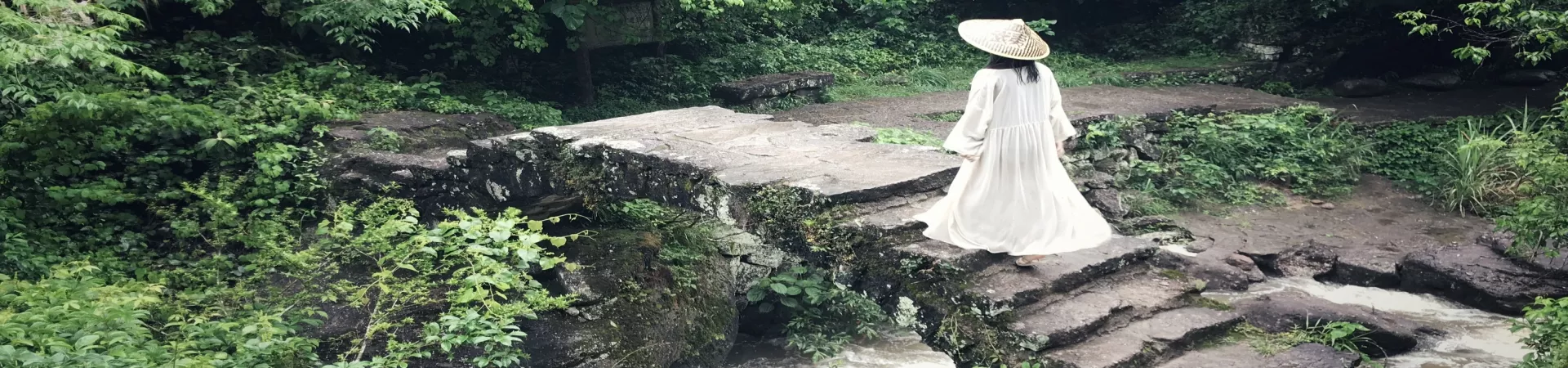
Subtitle: A Journey into the Heart of Wuyi Mountain's Tea Culture and Serene Landscapes
1. Introduction to the Dahongpao Scenic Area Nestled within the majestic Wuyi Mountain National Park, a UNESCO World Heritage Site renowned for its breathtaking natural beauty and profound cultural history, lies the Dahongpao Scenic Area. This region draws its name and global fame from the legendary Dahongpao tea, often hailed as the "King of Teas." The area is not merely a collection of scenic spots but a living museum dedicated to the art, history, and spiritual essence of Chinese tea culture, seamlessly interwoven with ancient Buddhist tranquility and stunning geological formations. A visit here offers a multisensory experience, engaging sight, smell, taste, and soul amidst serene valleys and towering peaks.
2. The Heart of Tea Culture: Sacred Groves and Plantations 2.1. The Legendary Dahongpao Mother Bushes The undisputed centerpiece of the area is the cluster of six original Dahongpao tea bushes. These venerable plants, estimated to be over 350 years old, cling precariously to a rocky cliff in the Jiulong Ke (Nine Dragons Gorge). Protected by a low stone wall and revered as national treasures, they are the source of the myth, history, and immense value surrounding the famed oolong tea. The large, vermilion Chinese characters "大红袍" (Dahongpao) carved into the cliff face above the bushes solemnly mark this sacred site. Gazing upon these ancient bushes, one contemplates centuries of imperial tribute, scholarly poetry, and the meticulous craft of tea cultivation they have inspired.
2.2. Jiulong Ke (Nine Dragons Gorge) Tea Plantations Surrounding the mother bushes, the terraced fields of Jiulong Ke unfold like emerald-green ribbons draped across the mountain slopes. The meticulously maintained tea gardens, with rows of lush tea shrubs, create a vibrant and orderly tapestry against the rugged rock faces. The air here is perpetually fresh and fragrant, especially in spring during the harvest, carrying the subtle, inviting aroma of tea leaves—a truly immersive experience for the senses.
2.3. The Jiulong Tea House At the foot of the cliff, nestled conveniently below the mother bushes, sits the Jiulong Tea House. This traditional-style pavilion provides the perfect respite and the quintessential Dahongpao experience. Visitors can sit, relax, and savor a cup of authentic Dahongpao tea while admiring the magnificent, up-close view of the legendary bushes and the gorge. It is an ideal spot to appreciate the tea's complex flavors—often described as orchidaceous, mineral, and lingeringly sweet—within the very environment that nurtures it.
3. Spiritual Sanctuary and Natural Wonders 3.1. Tianxin Yongle Chan Temple Adding a profound layer of cultural and spiritual depth to the area is the Tianxin Yongle Chan Temple. As the largest Buddhist monastery within the Wuyi Mountain range, it serves as a central hub of Zen Buddhism in the region. The temple complex is architecturally impressive, featuring grand halls, elegant pavilions, and serene courtyards that exude an aura of peace and solemnity. Its name, translating to "Celestial Heart Eternal Happiness," reflects its purpose. The harmonious coexistence of this spiritual sanctuary with the celebrated tea gardens underscores the historical connection between Chan (Zen) Buddhism and the development of China's sophisticated tea culture, where meditation and tea drinking are complementary practices for cultivation of the mind.
3.2. Niulan Keng (Oxen Pen Ravine) Venturing beyond the tea-centric sites, Niulan Keng offers a different natural charm. This deep, secluded ravine is celebrated for its exceptional microclimate and pristine environment, which also produce highly prized Yancha (rock tea). The walking path through the ravine is shaded, cool, and humid, lined with dense vegetation, moss-covered rocks, and the gentle sound of trickling streams. It is a peaceful retreat for a quiet walk, showcasing the pristine ecological conditions that contribute to the unique character of Wuyi's teas.
3.3. Sanhua Feng (Three Blossoms Peak) For those seeking panoramic vistas, Sanhua Peak presents a rewarding destination. The peak, resembling three blooming flowers piercing the sky, offers challenging yet accessible hiking opportunities. Reaching its vantage points rewards climbers with spectacular, sweeping views of the undulating Wuyi Mountain landscape, a sea of green peaks and winding valleys that puts the entire Dahongpao area into perspective.
4. Practical Visitor Information 4.1. Admission and Operating Hours The scenic area is accessible with the general Wuyi Mountain Scenic Area pass, priced at approximately 255 RMB, which typically covers multiple attractions for a set period. Operating hours vary seasonally: from April 1st to November 30th, the area is open from 6:30 AM to 6:00 PM. During the winter months (December 1st to March 31st of the following year), hours are from 7:00 AM to 5:00 PM, with last admission at 5:00 PM.
4.2. Transportation and Accessibility Located within the core of the Wuyi Mountain scenic zone, the Dahongpao area is conveniently connected. The most immersive way to arrive is via the park's efficient sightseeing bus system, which links major attractions. From the designated bus stop, the key sites, including the path to the mother bushes and the temple, are easily reached on foot via well-maintained stone paths and trails suitable for most fitness levels.
4.3. Suggested Duration and Contact A comprehensive visit to explore the tea bushes, enjoy a tea tasting, visit the temple, and take a short walk through one of the ravines typically requires 2 to 4 hours. For specific inquiries, visitors can contact the Wuyi Mountain scenic area administration at 0599-5135110.