LangZhong Ancient City
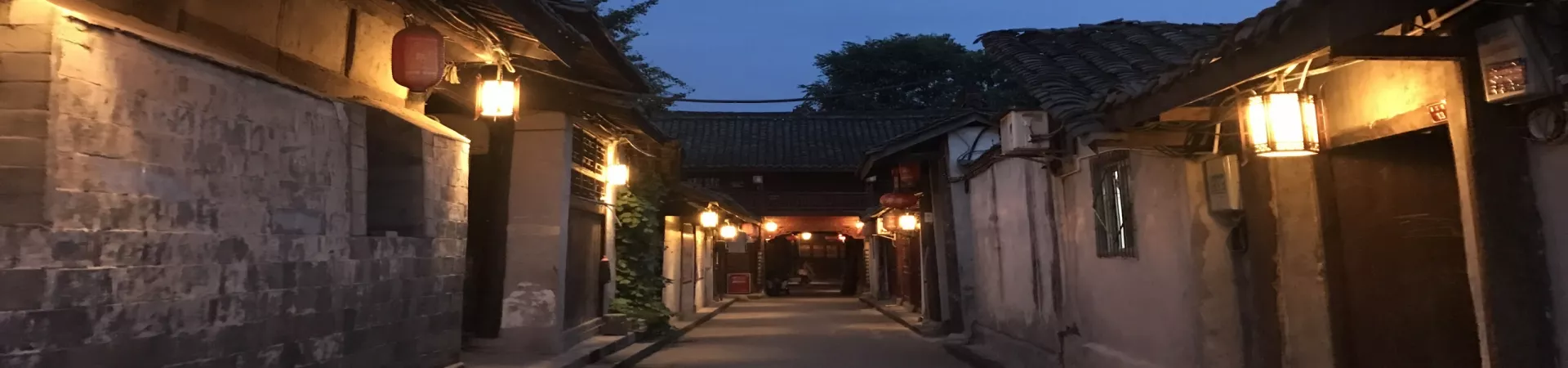
Subtitle: A Journey Through Time in Sichuan's Ancient City
1. Introduction to Langzhong Ancient City Nestled in the northeastern part of Sichuan Province, within the modern city of Nanchong, lies Langzhong Ancient City—a magnificent tapestry woven from over 2,300 years of history. Often poetically referred to as the "Fairyland of Langyuan," its breathtaking geography is the foundation of its legend. The city is embraced on three sides by the graceful curves of the Jialing River, while it rests securely against the protective presence of mountains on the fourth. This harmonious blend of water and hills creates a landscape of serene beauty, a setting so perfect it has captivated visitors and inhabitants since the Warring States Period, when it served as the capital of the ancient Ba Kingdom. More than just a scenic spot, Langzhong is a living museum, a remarkably well-preserved example of traditional Chinese urban planning and Feng Shui principles, offering an unparalleled window into China's enduring cultural and historical narrative.
2. Exploring Historical and Cultural Treasures The soul of Langzhong is etched into its streets, courtyards, and, most notably, its exceptional collection of historical sites. The city safeguards a remarkable eight National Key Cultural Relics Protection Units, each a chapter from a different dynasty.
2.1. Architectural and Religious Heritage A walk through the city is a journey through diverse architectural styles and spiritual traditions. The Zhangfei Temple stands as a solemn tribute to the legendary general of the Three Kingdoms era, a figure deeply woven into the local folklore. For Buddhist art and architecture, the Yong'an Temple, Wulong Temple, and Dafo Temple (Great Buddha Temple) are essential visits, housing intricate carvings and serene atmospheres. The Baba Mosque represents the city's historical Islamic community and is renowned for its unique blend of Chinese and Arabic architectural elements. The Chuanbei Dao Examination Hall (Gongyuan) offers a fascinating glimpse into the imperial examination system, allowing visitors to step into the quarters where scholars once vied for official positions.
2.2. The Tengwang Pavilion While several Chinese cities boast a Tengwang Pavilion, Langzhong's version holds its own charm. Perched on a hillside overlooking the city, this pavilion, though a reconstruction, continues the legacy of its more famous counterpart in Nanchang. It provides a panoramic vantage point, making it the perfect spot to appreciate the city's perfect Feng Shui layout and the sweeping river views.
3. Savoring Local Flavors: A Culinary Adventure Langzhong's appeal extends beyond its visual and historical splendor to a deeply rooted and flavorful culinary scene. The local food is a direct reflection of its folk culture—hearty, flavorful, and utterly satisfying.
3.1. Iconic Noodle Dishes Noodles are a staple here, served with a distinctive local twist. Niuyang Zasui Mian (Beef and Offal Noodles) is a rich and savory bowl, beloved for its deep broth and tender meat. Diaotang Chemian is another specialty, featuring hand-pulled noodles in a meticulously slow-cooked bone broth that is both comforting and complex.
3.2. Classic Snacks and Delicacies No visit is complete without trying Chuanbei Liangfen (Northern Sichuan Cold Jelly). Made from mung bean or pea starch, it is served chilled with a spicy, garlicky, and savory sauce, creating a refreshing and piquant treat. For a warmer variation, Re Liangfen (Hot Jelly) offers the same delicate jelly texture but is served warm with a thick, flavorful gravy, often including preserved vegetables and chili. These snacks, best enjoyed at small, bustling street stalls, are integral to the authentic Langzhong experience.
4. Practical Visitor Information
4.1. Getting There Langzhong Ancient City is easily accessible. A convenient option is to take the Langzhong Bus Route 1 and alight at the Shuangzhazi Jiekou (Shuangzhazi Street Intersection) bus stop. From there, the ancient city gates are just a short and pleasant walk away.
4.2. Admission and Opening Hours Access to the ancient city town itself is free and open 24 hours a day, allowing for leisurely morning strolls or enchanting evening walks under the lantern light. The standard operating hours for the managed scenic area are from 09:00 to 17:00 daily.
4.3. Tickets for Attractions It is important to note that while the town is free, the individual historical sites and museums within (such as the Zhangfei Temple, Examination Hall, etc.) charge separate admission fees. Prices and combination tickets can be confirmed at the respective sites.
4.4. Special Notes for Visitors * Senior Discounts: Visitors aged 65 and above typically enjoy free admission to the paid attractions. Seniors below 65 can receive free entry on non-statutory holidays and a 50% discount on statutory holidays upon presenting valid ID. * Statutory Holidays in China: These discounted or free entry policies for seniors are applicable during the 11 national statutory holiday days, which include: New Year's Day (Jan 1), Chinese New Year's Eve and the first two days of the lunar new year, Tomb-Sweeping Day (Qingming Festival), Labor Day (May 1), Dragon Boat Festival day, Mid-Autumn Festival day, and the first three days of the National Day holiday (Oct 1-3). * Verification: All practical information, including exact ticket prices, opening times for specific sites, and discount policies, is subject to change. It is always recommended to verify the latest details directly with the official scenic area management upon arrival.