Langzhong Hu Family Courtyard
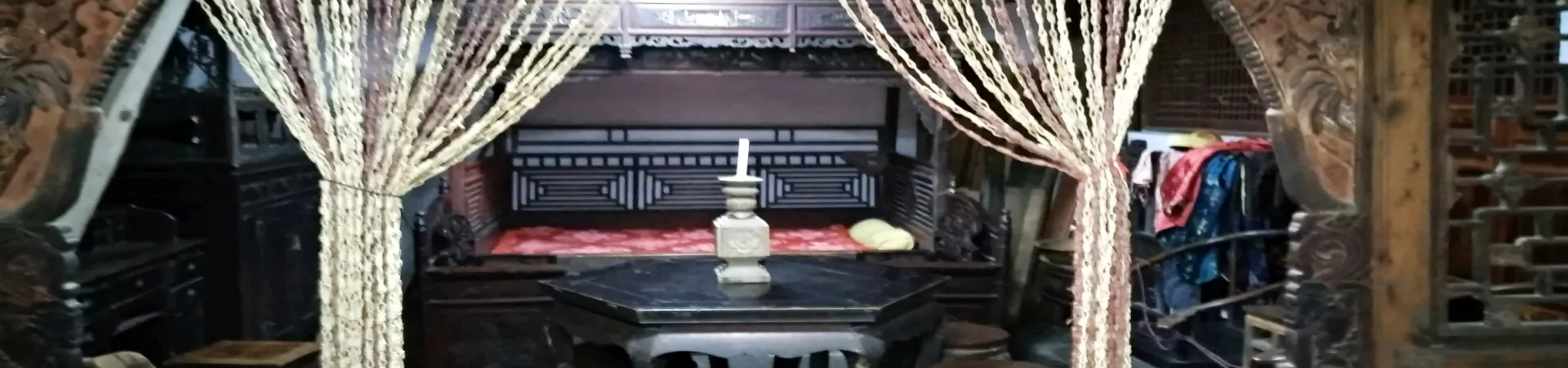
Subtitle: A Living Legacy: Exploring the Hu Family Courtyard, a Qing Dynasty Gem in Langzhong
Introduction: Stepping into History
Nestled within the ancient, UNESCO-listed town of Langzhong in Nanchong, Sichuan Province, the Hu Family Courtyard (胡家院) offers a rare and intimate portal into China's architectural and cultural past. More than a static museum, it is a living residence, a family archive, and a beautifully preserved example of northern Sichuan vernacular architecture from the Qing Dynasty. Constructed during the reign of Emperor Kangxi (1661-1722), its weathered wooden beams, serene courtyards, and elegantly simple layout have witnessed over three centuries of history, medicine, and family continuity. A visit here is not merely an observation of artifacts but an immersive conversation with a home that still breathes with the life of its descendants.
1. Architectural Heritage: A Quintessential Northern Sichuan Residence
1.1. Layout and Design Philosophy The Hu Family Courtyard stands as a textbook example of traditional Sichuan siheyuan (courtyard house) design, adapted to the local climate and cultural norms. The compound is organized around a central courtyard, which serves as the heart of the home—a space for light, air, family gatherings, and quiet reflection. The architecture emphasizes harmony with nature, functional simplicity, and a clear hierarchical structure reflective of Confucian values.
1.2. The Exhibition Rooms: A Home Frozen in Time The residence comprises eight meticulously arranged exhibition rooms, each offering a glimpse into the domestic life of a scholarly and professional family from centuries past. These rooms are not staged with random antiques but are presented as they were authentically used, creating a powerful sense of the family's immediate, tangible presence.
- The Main Hall (堂屋): This central space functioned as the formal reception area for guests and the venue for important family ceremonies and rituals. Its arrangement and furnishings communicate the family's status and respect for tradition.
- The Wing Rooms (厢房): Flanking the courtyard, these rooms typically served as living quarters for family members, with their décor and size often indicating the occupant's position within the family structure.
- The Study (书房): Perhaps one of the most evocative spaces, the study houses the tools of scholarship and refinement—classical books, writing brushes, inkstones, and paintings. It speaks volumes about the family's commitment to learning, culture, and intellectual pursuits.
- The Bedrooms (卧房): Furnished with traditional canopy beds, wardrobes, and personal items, these rooms provide a private and human-scale view of daily life, from rest to personal care.
2. The Living Legacy: Generations of the Hu Family
2.1. A Continuous Lineage What truly sets the Hu Family Courtyard apart is its status as a living museum. The current residents are the 8th, 9th, and 10th-generation descendants of the original builders. Their ongoing residence within these ancient walls transforms the site from a historical relic into a dynamic narrative of endurance and heritage. The sounds of contemporary life gently permeate the historical atmosphere, offering a unique juxtaposition of past and present.
2.2. A Heritage of Healing The Hu family's social standing was built upon a renowned tradition of medicine. For generations, the family practiced as physicians, their skills and knowledge earning widespread respect and fame throughout the Langzhong, Cangxi, and Nanbu regions (阆苍南). This legacy of healing is an integral part of the courtyard's story, suggesting a household dedicated not only to its own well-being but also to that of the wider community. While the specific medical artifacts may be part of the display, the very air of the place seems imbued with this history of care and scholarship.
3. The Visitor Experience: Guidance and Atmosphere
3.1. Personal Narration by the Family A highlight of any visit is the opportunity to receive a guided tour from a member of the Hu family themselves. This personal touch is invaluable. The narrators are not reciting a standardized script but sharing family lore, anecdotes, and insights passed down through generations. They can point out subtle architectural details, explain the purpose of specific objects, and recount stories that give soul to the structure. This direct connection bridges the gap between visitor and history, making the experience profoundly memorable.
3.2. An Immersive Ambiance Walking through the narrow lanes of Langzhong Ancient Town to reach No. 25 Xuedao Street prepares you for a step back in time. Upon entering the courtyard, the bustling noise of the town fades, replaced by the quiet rustle of leaves in the courtyard and the soft echo of footsteps on old stone. The play of light and shadow through wooden lattices, the texture of aged timber, and the arrangement of everyday historical objects work in concert to create a deeply immersive and contemplative atmosphere.
4. Practical Information for Your Visit
4.1. Location and Access The Hu Family Courtyard is located at 25 Xuedao Street (学道街25号) within the pedestrian-friendly confines of Langzhong Ancient Town. The town itself is a major cultural attraction in Sichuan. Once you arrive in Langzhong city, you can reach the ancient town by taxi or local bus. From the town gates or central areas, the courtyard is easily accessible on foot—a pleasant stroll through the town's well-preserved Ming and Qing-era streetscapes is part of the journey.
4.2. Admission and Opening Hours * Ticket Fee: The admission fee is remarkably accessible, priced at 10 RMB per person. * Operating Hours: The courtyard is open to the public daily from 8:00 AM to 6:00 PM, throughout the year.
4.3. Planning Your Trip * Suggested Duration: To fully appreciate the architecture, exhibits, and stories, plan to spend between 1 to 3 hours on your visit. This allows time to explore at a leisurely pace, engage with the family guides, and absorb the ambiance. * Contact: For any specific inquiries, you may contact the courtyard at 0817-6223691 or 0817-6256899. * Contextual Visit: Given its location, a visit to the Hu Family Courtyard is best combined with broader exploration of Langzhong Ancient Town, including its other historic residences, temples, and the beautiful Jialing River waterfront.