Feng Shui Museum
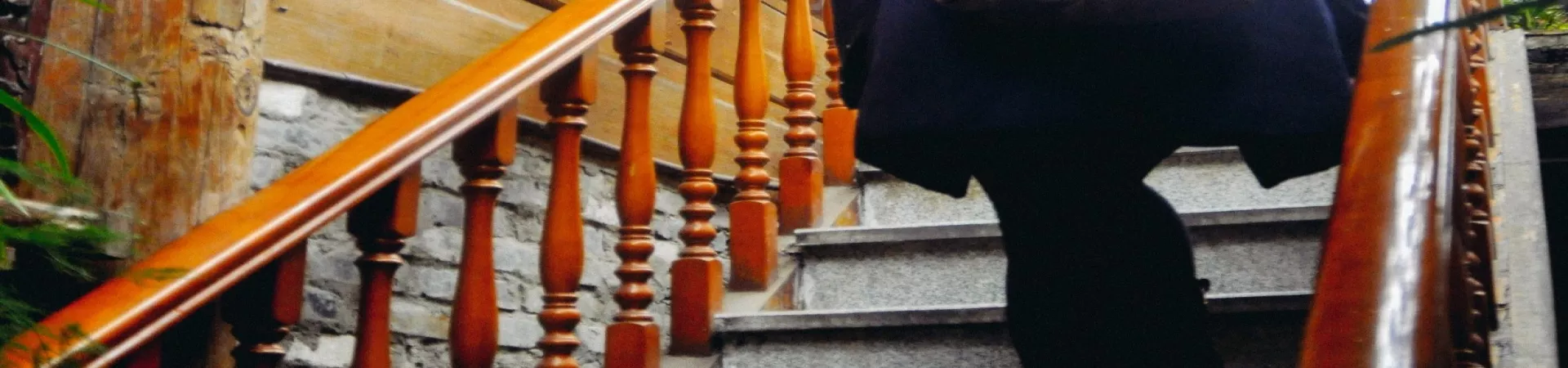
Subtitle: Exploring the Mysteries of Feng Shui in China's Ancient City of Langzhong
Introduction
Nestled within the historic heart of Langzhong Ancient City in Nanchong, Sichuan Province, the Feng Shui Museum stands as a unique cultural landmark in China. It is the nation's only tourism destination dedicated exclusively to the theme of architectural Feng Shui. This museum offers more than just a display of artifacts; it is an immersive journey into the profound and often misunderstood philosophical system that has shaped Chinese architecture, city planning, and worldview for millennia. By intertwining the ancient wisdom of the I Ching (The Book of Changes) and divination practices, the museum serves as a comprehensive portal, demystifying the principles of Feng Shui and providing visitors with a tangible connection to the rich cultural tapestry of Langzhong, a city itself renowned for its classical Feng Shui layout.
The Museum's Layout and Functional Zones
The museum is thoughtfully organized into five distinct functional areas, each designed to offer a different perspective on Feng Shui's multifaceted nature.
2.1. The Museum Core: Exhibits and Interpretation This central zone houses the primary collection of historical texts, instruments, and models. It systematically explains the core theories of Feng Shui, such as the balance of Yin and Yang, the flow of Qi (vital energy), and the application of the Five Elements (Wu Xing). Through detailed diagrams and artifacts, it illustrates how these principles were practically applied in selecting auspicious sites for cities, buildings, and tombs, with specific references to Langzhong's own geomantic configuration.
2.2. The Sacrificial Area: Ritual and Reverence This space is dedicated to the ritualistic aspects intertwined with traditional Feng Shui practice. It provides insight into the ceremonial respect paid to the forces of nature and ancestors, highlighting how spiritual beliefs and environmental harmony were deeply connected in ancient Chinese thought. This area helps visitors appreciate Feng Shui not merely as an architectural guide but as a holistic practice encompassing spiritual life.
2.3. The Lecture Hall: Knowledge Dissemination The museum's lecture hall is a dynamic space for deeper learning. Regularly scheduled talks, workshops, and interactive sessions are held here, led by knowledgeable practitioners or scholars. These sessions allow visitors to move beyond passive observation and engage in Q&A, learning about contemporary applications or personal inquiries related to Feng Shui principles.
2.4. The Ancient Post Station: A Historical Pause Incorporating a recreated or restored ancient post station (Yizhan) within its grounds serves a dual purpose. It acts as a living history exhibit, showcasing the role of such stations in communication and travel, and simultaneously, it demonstrates how Feng Shui principles were applied to the siting and structure of everyday functional buildings to ensure prosperity and safety for travelers and operations.
2.5. The Mascot and Symbolism: Engaging Interpretation Throughout the museum, symbolic mascots or figures representing auspicious concepts in Feng Shui are employed. These friendly and visually engaging elements help make the complex philosophical ideas more accessible, especially for younger visitors or those new to the subject, guiding them through the narrative of the exhibits.
The Unique "Five Elements" Accommodation Experience
One of the museum's most distinctive features is its offering of five specially designed guest rooms. This is not merely a place to visit but potentially a place to stay and absorb the atmosphere fully.
3.1. Concept of the Themed Rooms Each room is meticulously crafted according to one of the Five Elements—Metal, Wood, Water, Fire, and Earth. The design, color scheme, materials, and layout of each room physically embody the characteristics of its corresponding element. For instance, a "Wood" room might feature abundant green tones and vertical lines, promoting growth and vitality, while a "Water" room could have flowing curves and blue accents, evoking calm and fluidity.
3.2. Stories Within the Walls Beyond the aesthetic theme, each "Wu Xing" room holds a unique and lesser-known story related to Langzhong's local Feng Shui heritage. These narratives, which might involve historical figures, local legends, or specific geomantic events of the ancient city, are presented within the room. Staying in these rooms transforms the experience from academic learning to a personal, atmospheric immersion, allowing guests to literally sleep within a story and feel the "ancient charm of the Feng Shui city."
Practical Visitor Information
4.1. Suggested Duration To fully appreciate the exhibits, participate in a potential lecture, and explore the nuances of each zone, a visit of 1 to 3 hours is recommended. Visitors opting to stay in the themed accommodations will, of course, extend their experience significantly.
4.2. Location and Transportation The Feng Shui Museum is located on Dadong Street within Langzhong Ancient City. As the ancient city is a pedestrian-friendly area with restricted vehicle access, the primary ways to reach the museum are: * On Foot: The most immersive approach, allowing visitors to soak in the ambiance of the ancient streets. * By Sightseeing Cart/Train: These convenient carts operate on set routes within the古城 (gùchéng, ancient city) and provide an easy way to reach the museum, especially for those with limited mobility.
4.3. Ticketing Admission to the Feng Shui Museum is priced at 40 RMB per person. This fee typically grants access to all public exhibition zones and functional areas. Fees for special lectures, workshops, or accommodation in the Five Elements rooms are separate.
4.4. Operating Hours The museum is open daily throughout the year. * Opening Hours: 08:00 AM to 06:00 PM. * Last Admission: 05:50 PM. It is advisable to check for any unexpected changes in schedule during national holidays or for special maintenance periods.