Chuanbei Road Administration
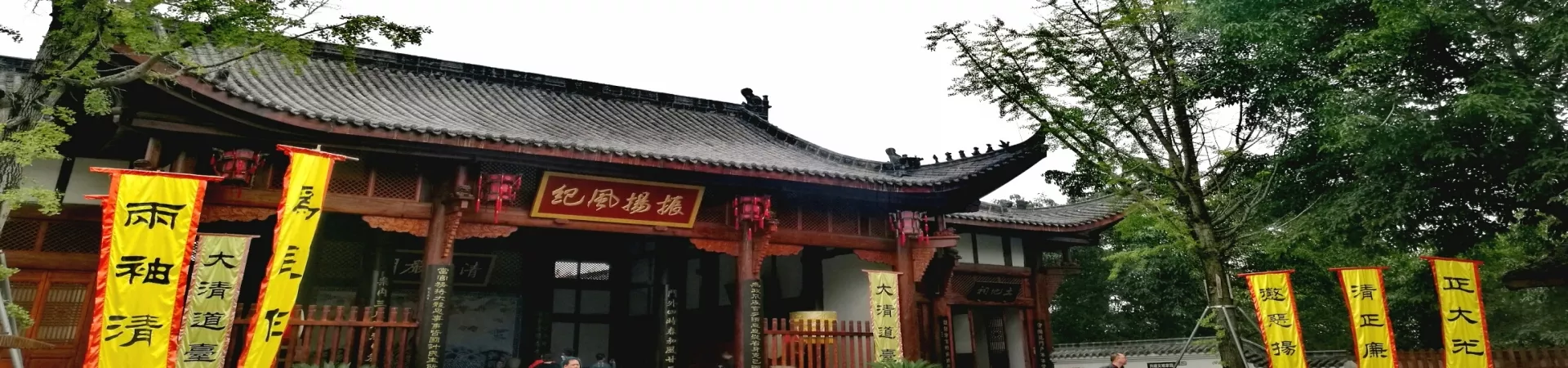
Subtitle: A Journey Through Time: Exploring the Northern Sichuan Administrative Commissioner's Office in Nanchong
Introduction: The Heart of Regional Governance in Imperial China
Nestled within the bustling modern city of Nanchong, in Sichuan Province, lies a portal to a more deliberate and ordered past: the Northern Sichuan Administrative Commissioner's Office, or Chuandaoshu. This meticulously preserved complex is not merely a collection of old buildings; it is the physical embodiment of a sophisticated regional governance system that operated for centuries during the Ming and Qing dynasties. As the highest provincial-level administrative organ in the region, this office was a crucial nexus of power, law, culture, and daily life for northern Sichuan. Visiting today offers a profound and tangible connection to the intricate bureaucratic machinery that sustained one of the world's greatest empires. Stepping through its gates, visitors leave behind the 21st century and enter a world where magistrates deliberated, edicts were issued, and the vast, diverse territory of Sichuan was administered with Confucian principles and imperial authority.
I. Historical Significance and Architectural Layout
1.1. The Role of the "Daotai" Commissioner To understand the site's importance, one must first understand the "Daotai," or Administrative Commissioner. Appointed directly by the central imperial court in Beijing, the Daotai was a high-ranking official overseeing multiple prefectures and counties within the Northern Sichuan circuit. His responsibilities were vast, encompassing judicial review, tax collection, salt administration, military logistics, and the maintenance of Confucian orthodoxy and social order. The office served as his official residence, courtroom, and administrative headquarters, making it the undisputed political and cultural center of the region.
1.2. Architectural Philosophy and Spatial Harmony The complex is a quintessential example of late imperial Chinese official architecture, reflecting strict hierarchical norms and a pursuit of harmonious balance. The layout follows a central axis, a design principle symbolizing order and authority. Key structures are arranged sequentially along this axis, guiding visitors through spaces of increasing importance.
- The Main Gate and Entrance Courtyard: The visit begins at the imposing main gate, signaling the authority contained within. The first courtyard, often used for assembling guards and minor functionaries, sets a formal tone.
- The Grand Hall (Datang): This is the architectural and functional core of the complex. A spacious, solemn hall with traditional dougong brackets and upturned eaves, it was where the Daotai held major ceremonies, received important guests, and conducted significant official business. The elevated platform and central chair underscore the commissioner's authority.
- The Second Hall and Inner Offices: Behind the Grand Hall lie more intimate administrative spaces, including the Second Hall for daily meetings and case reviews. Surrounding these are various smaller offices and archives where clerks and secretaries managed the vast paperwork of governance.
- The Inner Residence (Neishu): Further back, separated from the public administrative areas, is the commissioner's private residence and family gardens. This area, with its living quarters, study, and ornamental gardens, offers a glimpse into the personal life of the official, blending private serenity with public duty.
II. Key Exhibits and Cultural Artifacts
The site has been transformed into a comprehensive museum, using artifacts, detailed explanations, and lifelike scenes to vividly reconstruct its historical functions.
2.1. Reconstructed Official Scenes Through expertly crafted wax figures and period furniture, several critical scenarios are brought to life: * The Daotai Holding Court: A scene in the Grand Hall depicts the commissioner presiding over a legal case, showcasing imperial judicial procedures. * Clerks at Work: Offices are arranged with writing brushes, inkstones, and scrolls, illustrating the tedious yet essential bureaucratic work. * The Commissioner's Study: The private study displays classical books, scholarly implements, and art, reflecting the Confucian ideal of the scholar-official.
2.2. Collections of Historical Documents and Relics The museum houses a valuable collection including: * Imperial Edicts and Official Documents: Reproductions of documents bearing official seals offer direct insight into administrative communication. * Official Robes and Insignia: Exhibits of ceremonial garments and rank badges illustrate the highly codified world of imperial officialdom. * Everyday Artifacts: Items like coins, seals, and stationery tools help paint a complete picture of life within the compound.
III. Practical Visitor Information
3.1. Location and Accessibility The Northern Sichuan Administrative Commissioner's Office is located in the Shunqing District of Nanchong city, easily accessible by public bus or taxi. Its central location makes it a convenient and essential stop on any Nanchong itinerary.
3.2. Opening Hours and Ticketing Please note the following seasonal opening hours: * Summer Period (June 1 - August 31): Open from 08:00 to 18:30 daily, with last admission at 18:15. * Winter Period (December 1 - February 28/29): Open from 08:30 to 18:00 daily, with last admission at 17:45. It is advisable to check for any updates before your visit. Ticket prices are modest, and discounts are often available for students, seniors, and children.
3.3. Suggested Tour Route and Tips For an optimal experience, follow the natural progression along the central axis from the main gate to the inner residence. Allocate at least 2-3 hours for a thorough visit. Informative plaques are in both Chinese and English. Consider visiting during weekdays or non-holiday periods for a quieter experience. Photography is generally permitted, but flash may be restricted in certain exhibit areas.
IV. The Lasting Legacy and Cultural Reflection
4.1. A Microcosm of Imperial Administration Walking through the silent courtyards and halls, one gains a deep appreciation for the scale and complexity of governing imperial China. The compound stands as a microcosm of the state, where philosophical ideals, legal statutes, and practical administration converged. It prompts reflection on themes of power, responsibility, and social organization that remain relevant today.
4.2. Preservation as a Bridge to the Past The meticulous restoration of the Chuandaoshu is a testament to the value placed on tangible history. It serves as an crucial educational resource, allowing visitors to move beyond textbook descriptions and physically inhabit a space of historical significance. It is not just a tourist attraction but a preserved fragment of living history, offering an unparalleled opportunity to comprehend the rhythms and structures of a bygone era that shaped the cultural and political landscape of Sichuan and China itself.