Yue King Tower
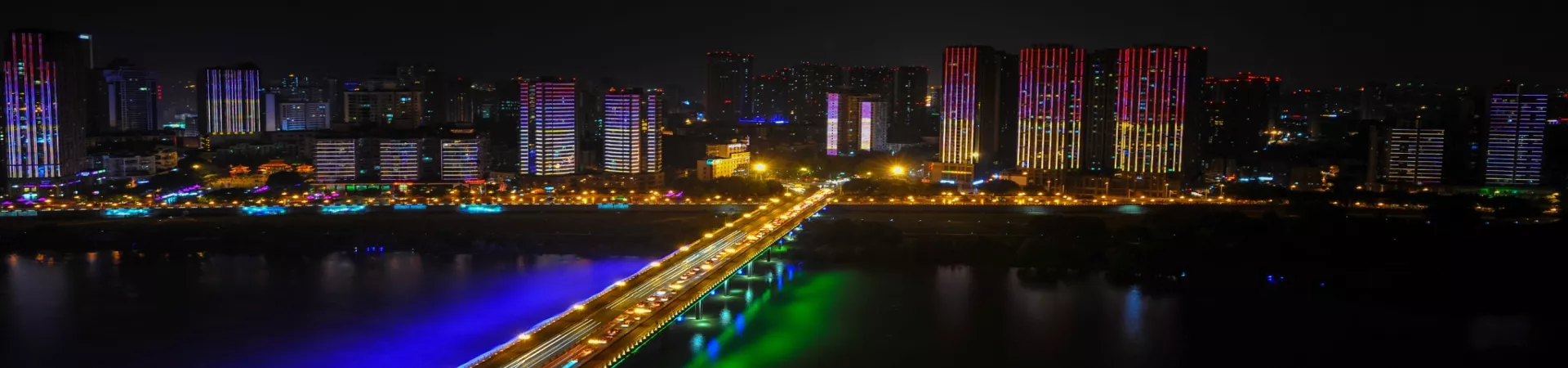
Yuewang Tower: A Colossal Revival of Tang Dynasty Grandeur in Mianyang
Nestled against the verdant slopes of Turtle Mountain (Guishan) overlooking the tranquil Fujiang River in Mianyang, Sichuan, stands Yuewang Tower, a monument that embodies both the profound historical legacy of the Tang Dynasty and a breathtaking feat of modern architectural revival. Its story is one of imperial patronage, poetic fame, tragic destruction, and phoenix-like rebirth, offering visitors a unique journey through time.
A Legacy Forged in the Golden Age of Tang
The origins of Yuewang Tower are deeply intertwined with the royal bloodline of China's most celebrated dynasty. Its construction was initiated between 656 and 661 AD during the reign of Emperor Gaozong. The driving force behind this ambitious project was Li Zhen, the eighth son of the legendary Emperor Taizong (Li Shimin), who served as the Prefect of Mianzhou (modern-day Mianyang). Unlike purely military or administrative structures, the tower was conceived as a cultural and symbolic landmark, reflecting the prestige of the imperial family and the flourishing arts of the era.
From its very inception, Yuewang Tower was destined for greatness. It quickly ascended to the pinnacle of Chinese architectural and cultural prestige, earning its place among the "Four Great Towers of the Tang Dynasty." Alongside the Yellow Crane Tower (Huanghelou) in Wuhan, the Tengwang Pavilion in Nanchang, and the Yueyang Tower in Yueyang, Yuewang Tower became a magnet for scholars, poets, and statesmen. Its lofty vantage point inspired countless literary works, solidifying its status not just as a building, but as a muse within the Chinese cultural consciousness. A popular saying eloquently captures the distinct character of each: "Yuewang Tower is imposing and majestic, the Yellow Crane Tower is vast and grand, Tengwang Pavilion is brimming with literary talent, and Yueyang Tower is elegantly beautiful."
Tragedy and Triumph: The Cycle of Destruction and Rebirth
The centuries that followed the tower's glorious beginning were marked by a cyclical pattern of ruin and restoration. Like many ancient wooden structures in China, it fell victim to the ravages of war, fire, and neglect. Historical records indicate the tower was destroyed and rebuilt multiple times, with its final disappearance from the skyline leaving a palpable void in Mianyang's historical landscape and a lingering sense of cultural loss.
For over a century, the site lay dormant, a silent testament to what had been. However, the legacy of Yuewang Tower proved too powerful to remain forgotten. In a monumental undertaking of cultural resurrection, the decision was made to rebuild. Faithful to tradition yet embracing modern engineering, the new Yuewang Tower was meticulously reconstructed on its original foundations on Turtle Mountain, a choice that reinforces the profound historical continuity of the site.
The Modern Marvel: Scale, Design, and Experience
The contemporary Yuewang Tower that greets visitors today is a staggering achievement. It holds the distinguished title of the world's largest replicated ancient-style single-structure building, a fact evident in its awe-inspiring dimensions.
- Architectural Grandeur: The complex spans a vast area of 84.2 acres (approximately 56,000 square meters). The main tower itself is a colossal structure, measuring 66 meters in length from east to west and 88 meters in width from north to south. It soars to a height of 99 meters across 15 stories, dominating the Mianyang cityscape. This deliberate height is rich in cultural symbolism, as the number nine is traditionally associated with eternity and imperial authority in Chinese culture.
- Design and Aesthetics: The reconstruction pays meticulous attention to Tang Dynasty architectural principles, characterized by sweeping, multi-layered eaves, intricate dougong bracket systems, and a majestic, imposing silhouette. The use of modern materials ensures durability while meticulously replicating the appearance of ancient timber-frame construction. The "imposing and majestic" (霸气) quality noted in the old saying is fully realized in its sheer scale and powerful presence.
- Visitor Experience: The tower is far more than an external spectacle. Inside, it functions as a dynamic cultural museum. Each floor is dedicated to showcasing different aspects of Tang Dynasty history, Mianyang's local culture, calligraphy, painting, and the poetry inspired by the tower itself. Ascending the levels offers not only panoramic views but also an immersive educational journey. The observation decks, particularly at the summit, provide a breathtaking 360-degree vista of Mianyang, the winding Fujiang River, and the surrounding mountains, allowing one to appreciate the very scenery that inspired Tang Dynasty literati.
Planning Your Visit: Essential Information
To fully experience Yuewang Tower, practical planning is key.
- Admission Fees: The tower operates on a ticketed system. A standard full-price adult ticket is priced at 50 RMB. Discounted half-price tickets (25 RMB) are typically available for children, students (with valid ID), seniors, and other eligible groups. It is always advisable to verify specific eligibility criteria at the time of your visit.
- Operating Hours: The site is open daily from 9:00 AM to 9:30 PM. The last admission is at 9:00 PM, allowing visitors ample time to explore both the interior exhibitions and to witness the transition from daytime grandeur to the spectacular night-time illumination. The tower lit against the night sky is a sight not to be missed.
- Contact Information: For the most current information regarding special events, temporary closures, or group bookings, visitors can contact the management office at 0816-2175989 or 13320897053.
A visit to Yuewang Tower is therefore a multi-layered experience. It is an encounter with the ghost of the Tang Dynasty, a testament to the enduring power of cultural memory, and an opportunity to stand atop a modern engineering marvel that proudly reclaims its ancient glory. It connects the visitor to a lineage of emperors and poets while offering a commanding perspective on a vibrant modern city.