Xunlongshan Scenic Area - Longyin Town
Subtitle: A Journey Through Cinematic History and Chuanxi Folk Culture
1. Introduction: A Portal to the Past in Mianyang
Nestled within the Xunlong Mountain Scenic Area of Mianyang, Sichuan, lies Longyin Town (龙隐镇), a destination that transcends the typical historical village. It is a living, breathing tapestry woven from the threads of early 20th-century Chuanxi (Western Sichuan) life and the vibrant world of Chinese filmmaking. More than just a preserved settlement, Longyin Town has meticulously cultivated an atmosphere so authentic and visually compelling that it has become a renowned base for period film and television productions. For the visitor, this offers a unique opportunity: to walk directly onto elaborate, open-air sets that have framed countless stories, and to immerse oneself in the dynamic cultural performances that bring the town's history to life every day. It is a place where the boundary between museum, theater, and town square beautifully dissolves.
2. The Cinematic Heart of Chuanxi
2.1. A Working Film Studio Town Longyin Town’s primary distinction is its role as a fully-functional, open-air film studio. Its architecture and layout are not accidental relics but deliberate creations designed to encapsulate the essence of a market town from the late Qing Dynasty through the Republic of China era (roughly late 19th to mid-20th century). This commitment to authentic detail has made it a magnet for directors and production crews. Notable television series such as the "Wang Baozhang" series, "Deep in the Wine Alley" (酒巷深深), "Living Buddha Gedda" (格达活佛), and "Under the Bodhi Tree" (菩提树下) have all been filmed within its confines. Every alleyway, courtyard, and shopfront has potentially served as a backdrop for dramatic scenes, allowing visitors to literally follow in the footsteps of film characters.
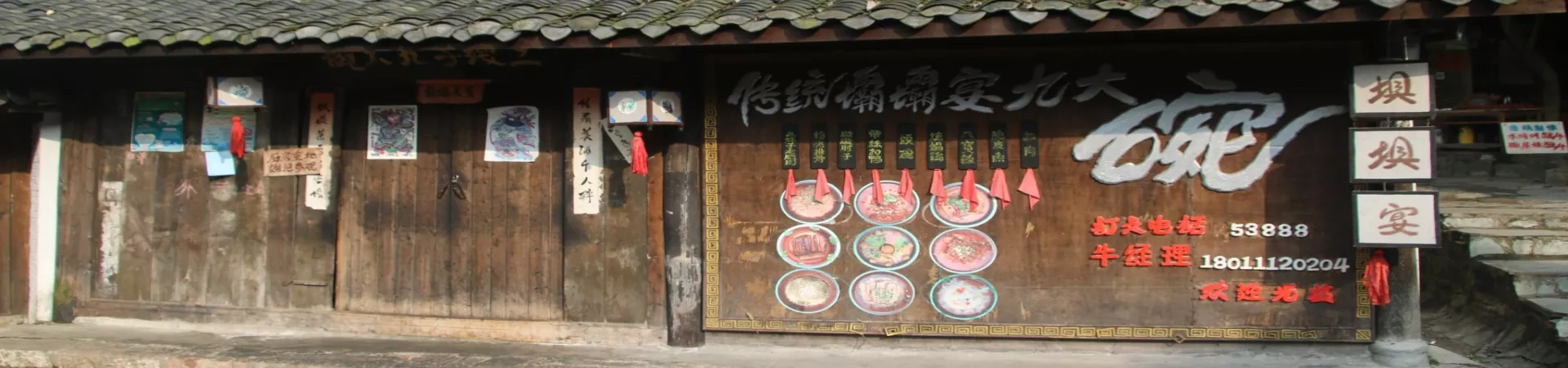
2.2. Architecture and Ambiance as Narrative The town itself is the main exhibit. The buildings, constructed from wood and grey brick, feature the sloping roofs, intricate wooden carvings, and bustling narrow streets characteristic of traditional Sichuanese architecture. Telegraph offices, old-style pharmacies, tea houses, and merchant shops line the streets, each furnished with period-appropriate items. This meticulous environmental storytelling provides a tangible sense of daily life from a bygone era, offering a silent yet powerful narrative about the social and commercial fabric of early modern Sichuan.
3. Immersive Living History and Folk Culture
3.1. Dynamic Historical Reenactments What truly sets Longyin Town apart is its dynamic, participatory approach to history. Instead of static displays, the town stages regular, lively reenactment performances that engage visitors directly. These shows are drawn from the social themes and folklore of the period:
- "Catching Draft Dodgers" (抓壮丁): A dramatic and often humorous performance reflecting the turmoil of conscription in wartime China.
- "Struggle Session Against the Landlord" (斗地主): A theatrical representation of the mid-20th century land reform movements, performed with audience interaction.
- "Yaomei's Bride-Selection Toss" (幺妹抛绣球招亲): A lighthearted and festive show where a "young maiden" tosses a ceremonial embroidered ball from a balcony; the lucky catcher among the audience gets to participate in a mock traditional wedding ceremony.
These performances break the fourth wall, inviting visitors to become temporary residents of the town, blurring the lines between observer and participant.
3.2. Nocturnal Festivities: Qiang Music and Dance As dusk falls, the atmosphere of Longyin Town transforms. The historical narrative expands to celebrate the region's rich ethnic heritage, particularly that of the Qiang people, one of China's ancient ethnic groups. The town square or main street often becomes a venue for vibrant evening performances featuring:
- Qiang Folk Songs: Haunting and melodic songs that convey stories and traditions.
- Qiang Group Dances: Energetic, circular dances where performers and sometimes visitors are encouraged to join in, creating a communal and joyous "ocean of happiness," as described locally. The sound of traditional instruments and the sight of colorful ethnic costumes under the evening lights provide a captivating cultural climax to a day's visit.
4. Practical Visitor Information
4.1. Admission and Operating Hours Access to Longyin Town is included within the ticket for the broader Xunlong Mountain Scenic Area. It is important to note the seasonal variation in operating hours.
- Ticket: The combined ticket for Xunlong Mountain Scenic Area (which includes entry to Longyin Town) is priced at 40 RMB per person.
- Winter Operating Hours (Dec 1 - Feb 28): The site is open from 8:30 AM to 5:30 PM, with last admission at 5:30 PM.
- Summer Operating Hours (Jun 1 - Aug 31): The site opens earlier and closes later, from 8:00 AM to 6:00 PM, with last admission at 6:00 PM.
- Shoulder Seasons: For periods outside the specified summer and winter windows (Mar 1 - May 31 & Sep 1 - Nov 30), it is advisable to verify hours locally or via the contact number, as they may fall between the two listed schedules.
4.2. Contact and Planning For the most current information regarding performance schedules, special events, or any changes to opening hours, visitors can contact the scenic area directly at 0816-4235888. To fully experience both the daytime reenactments and the evening cultural shows, planning for a visit that spans the afternoon into early evening is highly recommended. Comfortable walking shoes are essential for exploring the town's cobbled streets and uneven pathways.