Shengshui Temple
A Visitor's Guide to Mianyang's Sacred Water Temple
Nestled amidst the verdant hills on the outskirts of Mianyang in Sichuan Province, the Sacred Water Temple (圣水寺, Shèngshuǐ Sì) offers a profound escape from the urban rhythm. More than just a historical site, it is a living center of Buddhist culture, architectural artistry, and serene contemplation. This guide provides detailed information to help you plan a meaningful visit to this spiritual sanctuary.
• Essential Visitor Information
Before embarking on your journey, familiarizing yourself with the practical details will ensure a smooth experience.
*** Opening Hours and Admission*** The temple grounds are open to the public daily from 08:00 to 17:00, with last admission at 16:30. This schedule is consistent throughout the year. One of the temple's most welcoming aspects is that it offers free admission to all visitors. It is always advisable to check for any rare, temporary changes in policy upon arrival, but the temple primarily operates as a freely accessible place of worship and cultural heritage.
*** Getting There and Suggested Duration*** Located at No. 126, Changhong Avenue in the Fucheng District of Mianyang, the temple is accessible by taxi or local bus services. For most visitors, allocating approximately 1 to 2 hours is sufficient to explore the main halls, appreciate the intricate sculptures, and enjoy the tranquil atmosphere at a leisurely pace. This allows for a comprehensive visit without feeling rushed.
*** Contact Information*** For any specific inquiries, particularly regarding group visits or ceremonial activities, you can contact the temple administration at 0816-2685495.
• A Tapestry of History and Spiritual Significance
The Sacred Water Temple's history is deeply intertwined with the spiritual landscape of Sichuan. While the exact founding date is subject to historical debate, its origins are often traced back to the Tang or Song dynasties, with significant expansions and renovations occurring during the Ming and Qing periods. The temple's name, "Sacred Water," is believed to derive from a pure, sweet spring located within its grounds, which was considered to have auspicious or healing properties.
Throughout its long history, the temple has served as a key center for Buddhist teaching, particularly within the Chan (Zen) tradition. It has weathered periods of decline and restoration, each layer adding to its rich tapestry. Today, it stands not merely as a relic of the past but as an active monastery where monks reside, practice, and maintain the rituals that have been performed here for centuries. This continuity of purpose infuses the entire complex with a palpable sense of peace and devotion.
• Architectural and Artistic Highlights
The temple complex is a classic example of traditional Chinese Buddhist temple architecture, adapted to the lush, sloping terrain. The layout typically follows a central axis, with key halls arranged sequentially, leading visitors on a symbolic journey.
*** The Grand Hall and Main Shrine*** The heart of the temple is its main prayer hall, a spacious and dignified structure housing magnificent statues of the Buddha and various Bodhisattvas. The atmosphere here is one of solemn reverence, with the scent of incense hanging in the air and the soft sounds of chanting or prayers often providing a backdrop for quiet reflection.
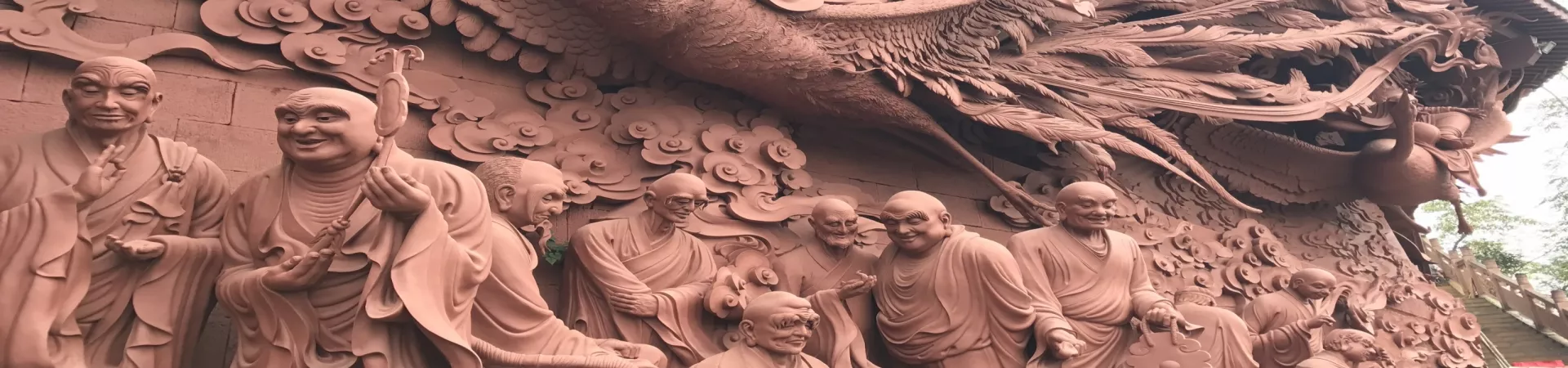
*** The Unforgettable Sculpture Gallery*** Without a doubt, one of the most extraordinary and visually stunning features of the Sacred Water Temple in recent years is the addition of a breathtaking sculpture gallery along the hillside corridor. This section showcases a modern marvel: hundreds, if not thousands, of life-sized, painted clay sculptures depicting Arhats (enlightened disciples of the Buddha), Bodhisattvas, celestial guardians, and figures from Buddhist lore.
The level of detail is astonishing. Each figure possesses a unique facial expression, posture, and intricate detailing on robes and accessories, creating a vibrant, almost overwhelming tableau of spiritual figures. This artistic endeavor represents a significant modern contribution to the temple's heritage and has become a major draw for visitors and art enthusiasts alike, offering a unique fusion of traditional religious themes with contemporary sculptural craftsmanship.
*** The Sacred Spring and Natural Setting*** The natural environment is an integral part of the temple's charm. Winding paths lead through quiet courtyards adorned with ancient trees and lush foliage. Seeking out the namesake sacred spring is a rewarding endeavor. This spot, often marked by a pavilion or shrine, symbolizes the purity and enduring flow of spiritual wisdom. The gentle sounds of nature, combined with the architectural beauty, create a perfectly harmonious setting for meditation and mindfulness.
• Tips for a Respectful and Enriching Visit
To make the most of your visit and show respect for the temple as an active place of worship, consider these guidelines.
Dress modestly, covering shoulders and knees, as is customary in most Buddhist and religious sites worldwide. While photography is usually permitted in outdoor areas and of the architectural exteriors, always observe and respect any signs prohibiting photos inside the main prayer halls, especially of the central statues. Maintain a quiet and respectful demeanor within the temple grounds to preserve the peaceful atmosphere for all visitors and the resident monastic community.
Take your time. The true essence of the Sacred Water Temple is best absorbed slowly. Sit quietly in a courtyard, observe the rituals from a respectful distance, and let the serene environment calm the mind. A visit here is less about checking off a list and more about experiencing a moment of cultural depth and tranquility in the dynamic city of Mianyang.