Qiqushan Temple
Subtitle: A Sacred Mountain Sanctuary: Exploring the History, Culture, and Practical Guide to Qiqu Shan Grand Temple
1. Introduction: The Pearl of the Shu Roads
Nestled against the slopes of Qiqu Mountain on the northern outskirts of Zitong County, Mianyang City, the Qiqu Shan Grand Temple complex is not merely a scenic spot but a profound cultural and spiritual landmark in northwestern Sichuan. Revered as the "Pearl of the Shu Roads," it commands a majestic landscape where rugged, winding mountain paths give way to serene, forested vistas. Ancient temples and pavilions cling precariously to cliffs, shaded by towering, verdant trees, creating a breathtaking harmony of natural beauty and human devotion. This very area is steeped in the legendary lore of Sichuan, believed to be the setting for the mythic "Five Giants Opening the Mountains" – a tale immortalized by the celebrated Tang Dynasty poet Li Bai in his masterpiece, "The Difficulty of the Shu Roads." A visit here is a journey through layered history, sacred Daoist traditions, and some of the region's most captivating scenery.
2. Historical and Cultural Significance
2.1. Origins and Imperial Patronage The temple's history is deeply intertwined with the veneration of Wenchang Dijun, the deity of literature and culture. Its origins can be traced back to a shrine established during the Jin Dynasty (266-420 AD), built to honor Zhang Yazi, a man revered for his virtue and later deified as Wenchang. The site gained monumental significance during the Tang and Song Dynasties as the cult of Wenchang flourished. Successive emperors, recognizing the deity's importance to scholar-officials and state stability, bestowed honors and titles upon the temple. The present grandeur of the complex owes much to extensive expansions and reconstructions undertaken during the Ming and Qing Dynasties, transforming it into one of the largest and most architecturally coherent ancient building complexes in Sichuan, dedicated to the God of Culture.
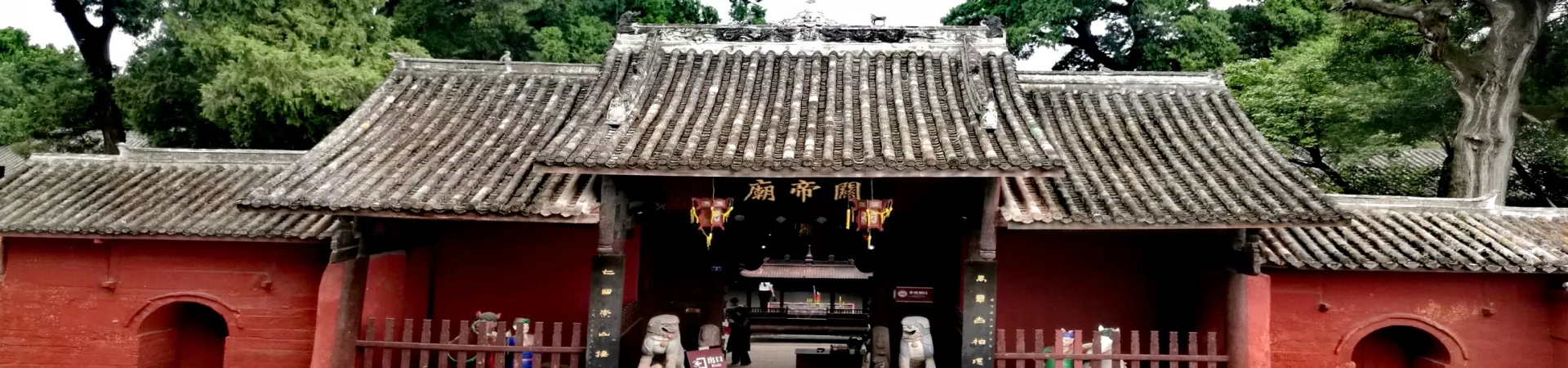
2.2. Architectural Ensemble and Sacred Layout The temple complex is a magnificent example of traditional Chinese temple architecture adapted to a dramatic mountainous terrain. Rather than a single structure, it is a sprawling ensemble of over twenty major halls, pavilions, and archways, strategically positioned along the mountain slope. The layout follows a sacred axis, guiding pilgrims and visitors on an upward journey through gates and courtyards. Key structures include the majestic Main Hall (Daxiong Baodian), housing solemn statues of Wenchang; the Guandi Temple, dedicated to the redoubtable God of War and Loyalty, Guan Yu; and the iconic Hundred-foot Tower (Bai Chi Lou), offering panoramic views. The architecture seamlessly integrates with the environment, using stone foundations, intricate wooden brackets (dougong), and sweeping roofs adorned with ceramic figurines, all harmonizing with the ancient cypress trees that dot the grounds, some believed to be over a thousand years old.
3. A Visitor's Practical Guide
3.1. Getting There: Transportation Routes The primary gateway to Qiqu Shan Grand Temple is Zitong County. While public buses are available from Mianyang city to Zitong, the most convenient option for visitors is often a private vehicle or taxi. * Detailed Driving Route from Zitong County Center: * Starting from the county center, head west on Chongwen Street for approximately 320 meters. * Turn right onto Wuding Road (North Section) and continue for about 1.1 kilometers. * Make a slight left turn onto Wenchang Road, following it for 590 meters as it leads directly onto National Highway G108. * Proceed on G108 for roughly 6.8 kilometers. The main entrance to the Qiqu Shan Scenic Area and Grand Temple will be clearly visible on the right-hand side of the road. * Alternative Access: Organized tours from Chengdu or Mianyang frequently include the temple as a key stop on itineraries covering the historic Shu Road sites.
3.2. Admission and Operating Hours To ensure a smooth visit, please note the following practical information: * Entrance Fee: A standard admission ticket is priced at 40 RMB per person. This fee typically grants access to the core temple complex area. Prices for special exhibitions or specific inner halls may vary. * Opening Hours: The scenic area is open daily from 9:00 AM to 5:00 PM. The last admission is usually at 5:00 PM, allowing visitors to explore until closing. It is always advisable to confirm the latest timings before your visit, as they can be subject to change during public holidays or for maintenance.
3.3. Contact Information For inquiries regarding group visits, special events, or the latest updates, you can contact the temple management at: * Telephone: 0816-8229901 or 0816-6177726.
4. Enhancing the Visitor Experience
4.1. Key Sights and Activities Beyond admiring the architecture, visitors can engage in several enriching activities. Participate in a traditional ritual at the main hall to pay respects to Wenchang Dijun, a practice particularly popular among students and scholars seeking blessings for academic success. The Ancient Shu Path Museum within the scenic area provides deeper context on the region's history. A walk through the "King of Shu Cypress" forest, home to nearly 10,000 ancient and peculiar cypress trees, is a serene and awe-inspiring experience. The annual Wenchang Cultural Festival (usually in spring) features vibrant ceremonies, folk performances, and cultural exhibitions, offering a dynamic glimpse into living traditions.
4.2. Recommended Itineraries and Tips * Half-Day Visit: Focus on the central temple axis, including the Main Hall, Guandi Temple, and the Hundred-foot Tower. Allocate at least 2-3 hours for a thorough exploration. * Full-Day Immersion: Combine the temple visit with hikes along the preserved sections of the ancient Shu Path on the mountain, explore the cypress forest trails, and visit the onsite museum. This allows for a more relaxed pace and fuller appreciation. * Visitor Tips: Wear comfortable walking shoes with good grip, as the paths involve stone steps and inclines. The mountain weather can be cooler and more changeable than in the city; carrying a light jacket is recommended. While basic amenities are available, bringing water and snacks is advisable for longer stays. As a site of cultural and religious significance, visitors are encouraged to dress modestly and behave respectfully within the temple halls.