Qianfo Mountain Scenic Resorts
Subtitle: A Guide to Sichuan Qianfo Mountain National Nature Reserve, Mianyang
1. Introduction to the Reserve Nestled within the administrative boundaries of Mianyang City in Sichuan Province, the Qianfo Mountain National Nature Reserve stands as a magnificent testament to China's rich natural and cultural heritage. The name "Qianfo," which translates to "Thousand Buddhas," hints at the profound spiritual history embedded within its vast, forested slopes. This reserve is far more than a simple scenic area; it is a protected ecological haven where ancient, towering trees, diverse wildlife, and serene Buddhist temples coexist in harmonious silence. It offers visitors a rare opportunity to escape urban clamor and immerse themselves in an environment of profound tranquility and natural beauty, where every step on its stone-paved paths feels like a journey through both geological time and spiritual contemplation.
2. Planning Your Visit: Practical Information Before embarking on your journey to Qianfo Mountain, familiarizing yourself with some key logistical details will ensure a smoother and more enjoyable experience.
2.1. Operating Hours and Admission The reserve is open to the public daily from 6:30 AM to 6:30 PM, with the last admission permitted at 6:30 PM. This schedule remains consistent throughout the year. One of the most appealing aspects of a visit here is the free admission to the reserve itself. This policy makes it an exceptionally accessible destination for nature lovers, hikers, and families. However, visitors should plan their hike carefully to ensure they have ample time to descend before the gates close.
2.2. Contact Information For the most current information, especially regarding trail conditions or weather-related closures, you can contact the reserve administration at 0816-4368278.
2.3. Suggested Duration To truly appreciate the scale and beauty of Qianfo Mountain, a visit requires a significant time commitment. It is recommended to allocate a minimum of 3 hours for a basic visit. For those intending to hike to the summit, explore the temples thoroughly, or simply wish to linger in the peaceful surroundings, a full day is highly advisable. The ascent is demanding but rewarding, and rushing would detract from the immersive experience.
3. The Ascent and Key Attractions The journey through Qianfo Mountain is a physical and spiritual climb, with distinct stages offering varied rewards.
3.1. The Ancient Forest Path The hike begins amidst a breathtaking ancient forest ecosystem. The path, often lined with moss-covered stone steps, winds through dense groves of fir, spruce, and rhododendron. The air is cool, fresh, and filled with the scent of pine and earth. This lower section is a living museum of flora, where sunlight filters through a canopy so high it feels like a cathedral ceiling. The tranquility here is palpable, broken only by the sounds of birdsong and rustling leaves.
3.2. Cultural Encounters: The Temples As you climb higher, the cultural heart of the mountain reveals itself. Scattered along the route and clustered near the summit are several modest yet deeply atmospheric Buddhist temples and shrines. These structures, some seemingly growing from the rock itself, are the origin of the mountain's name. They house ancient stone carvings and statues of Buddhas and Bodhisattvas, weathered by time but still radiating a sense of serene devotion. These sites are active places of worship and quiet reflection, offering a glimpse into the region's enduring spiritual traditions.
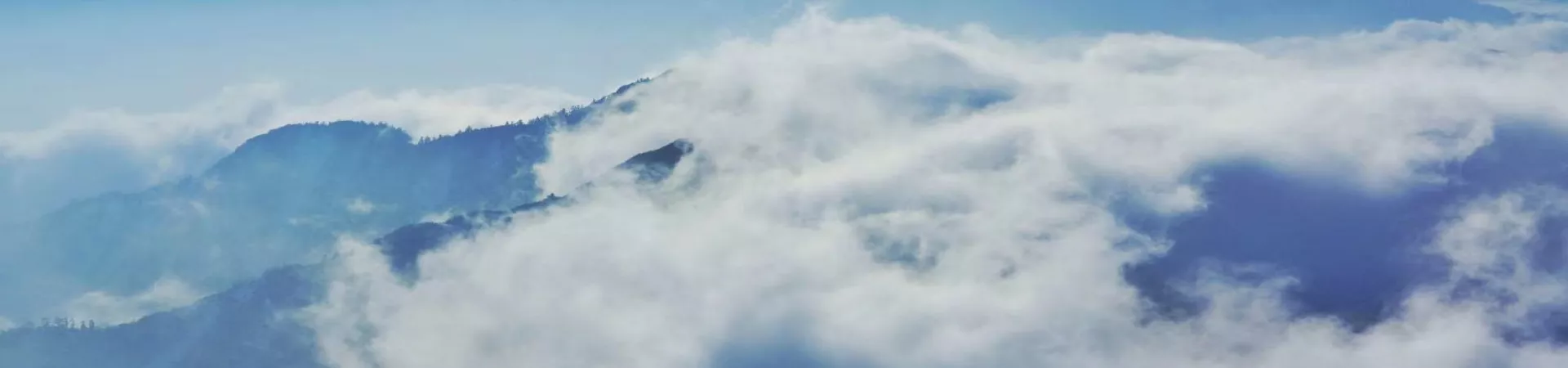
3.3. The Summit Experience Reaching the summit is the pinnacle of the journey. The effort is rewarded with breathtaking, panoramic views of the surrounding Min Mountains. Rolling green peaks fade into blue horizons, creating a powerful sense of achievement and peace. The summit temple complex is the focal point here, providing a space for rest and contemplation amidst the clouds.
4. Essential Tips for Visitors A successful trip to Qianfo Mountain hinges on good preparation. Here are some crucial tips to consider.
4.1. Accommodation and Meals on the Mountain While admission is free, visitors should budget for services at the summit. The temple lodgings offer basic accommodation and vegetarian meals for travelers who wish to stay overnight to witness the sunrise or simply extend their retreat. The cost for these combined services is typically around 40 RMB per person. This is a unique opportunity to experience the mountain's profound silence after day-trippers have departed. Alternatively, for a more self-sufficient adventure, bringing your own tent for camping is permitted in designated areas. This allows for complete immersion in the natural environment under a star-filled sky.
4.2. What to Pack and Wear The mountain weather can be unpredictable and is notably cooler than the base. Sturdy, broken-in hiking boots are non-negotiable for the uneven stone paths. Dress in layered clothing to adapt to changing temperatures. Essential items include a rain jacket, sufficient water and high-energy snacks, a hat, sunscreen, and a fully charged phone or camera. As the temples are sacred sites, visitors should dress modestly and behave respectfully.
4.3. Physical Preparation and Safety The hike to the summit is strenuous and involves sustained uphill climbing. It is not recommended for individuals with significant health conditions or without a basic level of fitness. Pace yourself, take frequent breaks, and stay hydrated. It is always safest to hike with a companion. Be mindful of your surroundings, stay on marked trails to protect the fragile ecosystem and for your own safety, and carry out all trash to help preserve the reserve's pristine beauty.
Information last updated: January 9, 2023. Credits and thanks to contributors including 等待三天 and Kay for their valuable input.