Li Bai Memorial Hall
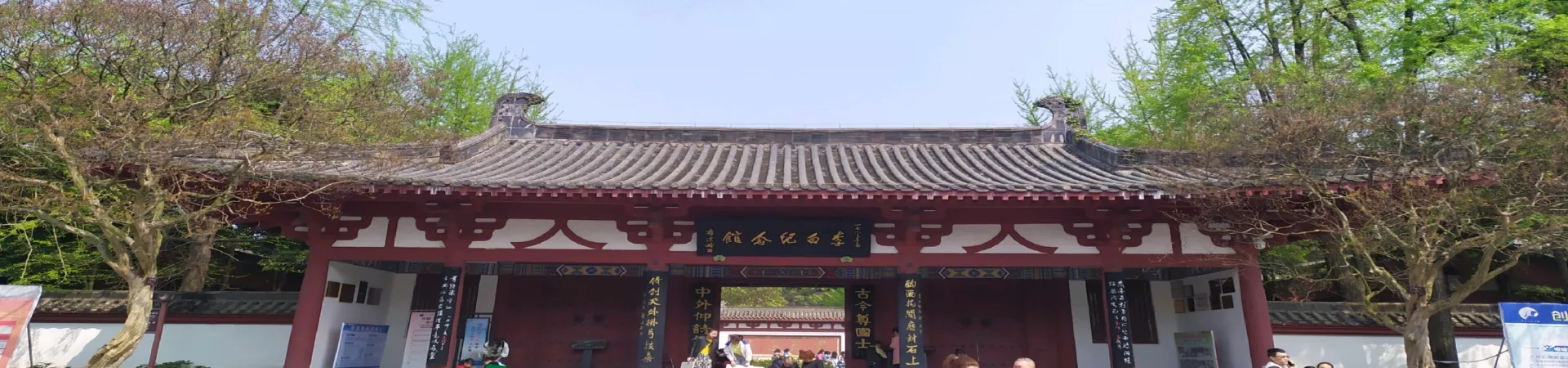
Subtitle: A Journey into the World of a Poetic Legend: Mianyang's Li Bai Memorial Hall
I. Introduction: The City of Poetry and the Immortal Bard
Nestled in the scenic landscapes of Sichuan Province, the city of Mianyang holds a deep and enduring connection to one of China's most celebrated literary figures, Li Bai (also known as Li Po). Revered as the "Poet Immortal," Li Bai's verses, characterized by their boundless imagination, romantic spirit, and profound love for nature, have captivated readers for over a millennium. While his birthplace is often associated with other locations, Mianyang, specifically the Jiangyou area under its administration, is recognized as a place where he spent significant formative years. The Li Bai Memorial Hall in Jiangyou, Mianyang, stands not merely as a museum but as a dedicated cultural sanctuary. It is a meticulously crafted environment designed to transcend time, offering visitors a comprehensive, immersive journey into the life, artistry, and enduring legacy of this poetic genius. It bridges the gap between the modern world and the majestic Tang Dynasty, allowing the echoes of his words to resonate within the very context that inspired them.
II. Architectural Harmony and Landscape Design
A. Blending Tradition with the Natural World The memorial hall is a masterpiece of classical Chinese garden architecture, rejecting rigid monumentality in favor of harmonious integration with nature. The complex is laid out in a traditional sìhéyuàn (courtyard) style, featuring a series of interconnected halls, pavilions, corridors, and courtyards. This design philosophy reflects a core tenet in Chinese aesthetics—the seamless unity between human creation and the natural environment. Visitors do not simply walk through exhibits; they embark on a serene stroll through a living landscape that itself is a tribute to the natural imagery prevalent in Li Bai's poetry.
B. Key Structural Elements and Symbolic Spaces 1. The Main Exhibition Halls: These central structures house the core collection. Built with elegant upturned eaves, wooden beams, and grey-tiled roofs, they provide a dignified and authentic Tang Dynasty ambiance. The use of open spaces and large windows deliberately frames the outdoor scenery, making the gardens and sky part of the viewing experience. 2. Pavilions and Corridors: Scattered throughout the grounds, ornate pavilions offer restful spots for contemplation, often overlooking ponds or bamboo groves. Winding covered corridors, adorned with calligraphic inscriptions of Li Bai's poems, link the buildings, encouraging a leisurely pace and inviting visitors to pause and reflect. 3. The Scholar's Garden: Beyond the main halls lies a classical Chinese garden, a microcosm of the natural world. Featuring jiǎshān (artificial rockeries), tranquil ponds brimming with koi, ancient trees, and carefully curated plants like plum blossoms, bamboo, and chrysanthemums—all frequent motifs in Li Bai's work—this garden is a physical manifestation of his poetic soul. It is a place for quiet introspection, where one can almost envision the poet seeking inspiration or composing verses under the moonlight.
III. The Core Collection: A Multifaceted Portrait of Li Bai
A. Literary Treasures and Historical Artifacts The memorial hall's primary mission is the preservation and presentation of Li Bai's literary heritage. Its collection is both broad and deep, including: * Rare Editions: Ancient woodblock-printed copies and meticulously transcribed manuscripts of his poetry collections, such as the "Anthology of Li Taibai," showcasing the textual transmission of his work through dynasties. * Calligraphic Masterpieces: Precious scrolls and stone rubbings featuring Li Bai's poems rendered in the calligraphic hands of subsequent renowned scholars and artists. These works represent a dialogue across centuries, where the art of poetry meets the art of brushwriting. * Biographical Materials: Historical records, local chronicles, and scholarly commentaries that piece together the timeline of his travels, his relationships with contemporaries like Du Fu, and his complex involvement with the Tang court. * Personal Effects & Archaeological Finds: Replicas and period artifacts, including pottery, wine vessels (zūn), and writing implements (bìyàn), which provide tangible connections to the material culture of his era. The ubiquitous wine vessels humorously nod to his famous epithet, the "Banished Immortal," and his love for drink.
B. Thematic Exhibitions and Interpretive Displays Modern museology techniques are employed to contextualize these artifacts. Thematic exhibitions guide visitors through different phases of his life: his early years in Sichuan, his wanderings (yóuxué) across China, his aspirations and disillusionments in the capital Chang'an, and his later years of exile and travel. Interactive displays, multimedia installations, and carefully translated explanations (in both Chinese and English) illuminate the historical background, explain classical allusions, and break down the structural beauty of his gǔtǐshī (ancient-style poetry) and juéjù (quatrains).
IV. Experiential and Cultural Activities
A. Poetry in Motion: Recitals and Cultural Performances The memorial hall is a vibrant cultural hub. Regularly scheduled poetry recitation events allow visitors to hear the rhythmic and tonal beauty of Li Bai's verses spoken aloud in Mandarin, capturing their intended musicality. During cultural festivals, particularly around traditional holidays, the grounds may host performances of classical Chinese dance or Kunqu opera inspired by his poems and legends, bringing the words to life on stage.
B. Interactive Engagement and Scholarly Exchange For a more hands-on experience, workshops are occasionally offered in traditional Chinese arts deeply connected to poetry: * Calligraphy Workshops: Participants can learn basic techniques and try their hand at brushing a famous line from a Li Bai poem. * Seal Carving Demonstrations: The art of creating personal name seals, often used by poets and scholars to stamp their work. * Academic Symposia: The site also functions as a center for scholarly activity, hosting conferences and lectures that attract international sinologists and literature experts, fostering ongoing research into Li Bai's work.
V. Practical Information for Visitors
A. Location and Accessibility The Li Bai Memorial Hall is situated in Jiangyou City, which is administered by the prefecture-level city of Mianyang in northern Sichuan. It is accessible by road and is a key cultural stop on itineraries exploring the region's heritage.
B. Visiting Details * Opening Hours: The memorial hall is open daily from 09:00 to 17:00, with last admission typically at 16:30. It is advisable to confirm any seasonal variations or special holiday closures before your visit. * Admission: For the most accurate and current information regarding ticket prices, potential discounts for students or seniors, and details about guided tours, it is recommended to contact the memorial hall directly prior to your trip. * Contact Information: For inquiries, you may reach the memorial hall at 0816-3259789 or 0816-3253069.
VI. Conclusion: The Enduring Resonance A visit to the Li Bai Memorial Hall in Mianyang is more than a standard museum tour. It is a holistic cultural pilgrimage that engages the senses, the intellect, and the imagination. By moving through its architectural spaces, examining its curated collections, and participating in its cultural offerings, one gains a multidimensional understanding of Li Bai. Visitors leave with not just historical knowledge, but with a felt sense of the romantic, free-spirited, and profoundly observant mind that could write lines as timeless as "Before my bed, the moon shines bright; I wonder if it's frost upon the ground. I raise my head to gaze at the bright moon; I lower it, thinking of my homeland." The memorial hall successfully ensures that the spirit of the Poet Immortal continues to inspire awe and wonder, connecting the human experience across the vast expanse of time.